
'Brazil no longer have the same number of world-class superstars they once had'
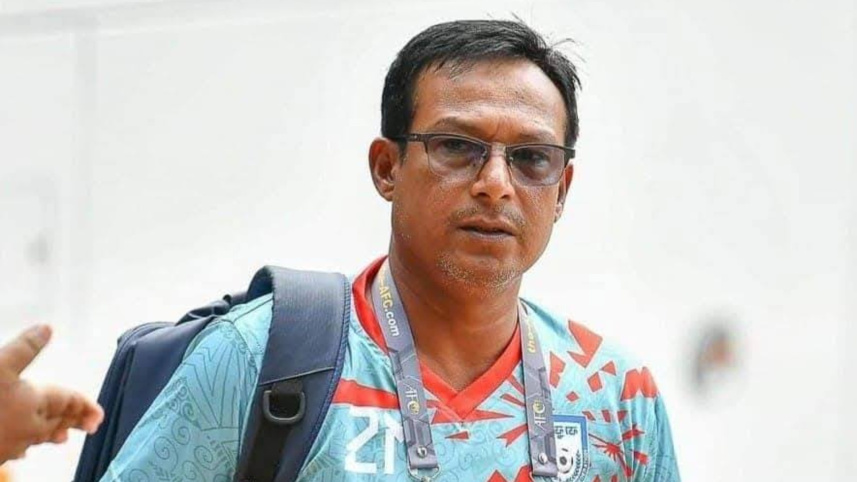
Zulfiqar Mahmud Mintu is regarded as one of the most respected local coaches of the modern generation in Bangladesh. The 52-year-old former midfielder represented Bangladesh at international level and played for leading domestic clubs, including Abahani, before moving into professional coaching and earning an AFC A-Licence.
Alongside his involvement in club football and his work as a coaching instructor for the Bangladesh Football Federation, Mintu has also established himself as one of the country’s most recognised football pundits, earning praise for his tactical insight and analytical approach.
 For all latest news, follow The Daily Star's Google News channel.
 In a wide-ranging interview with The Daily Star’s Atique Anam, the revered coach reflected on his earliest FIFA World Cup memories, his coaching philosophy, the evolution of modern football and several other aspects surrounding the greatest football spectacle on earth. Following are excerpts from the interview:
The Daily Star (DS): What does the FIFA World Cup mean to you? How do you perceive it as someone who has been involved in football for decades?
Zulfiqar Mahmud Mintu: Honestly speaking, the World Cup has been a part of my life since my school days. I can still clearly remember the 1986 World Cup in Mexico. At that time, we did not have the opportunities that today’s generation enjoy. Only a handful of matches were shown on television, and even those were broadcast late at night or early in the morning. But despite those limitations, the excitement was unbelievable.
Since I played football myself and later became a coach, the attraction towards the World Cup became even stronger. In our childhood we barely had any chance to watch European club football regularly. The English Premier League or La Liga were not available like they are now. So, the World Cup was our biggest window into international football. Every four years it felt special, almost magical.
Now, of course, my perspective has changed because football is also my profession. I work as a coach and television analyst, so I have to watch football differently. I not only follow the World Cup itself, but also qualification matches across Asia, Europe and South America. I collect data, analyse trends and study tactics because I need to discuss these professionally in the media. So emotionally I still enjoy it, but professionally it has become a huge learning platform for me as well.
DS: You mentioned the 1986 World Cup. What are your strongest memories from that tournament?
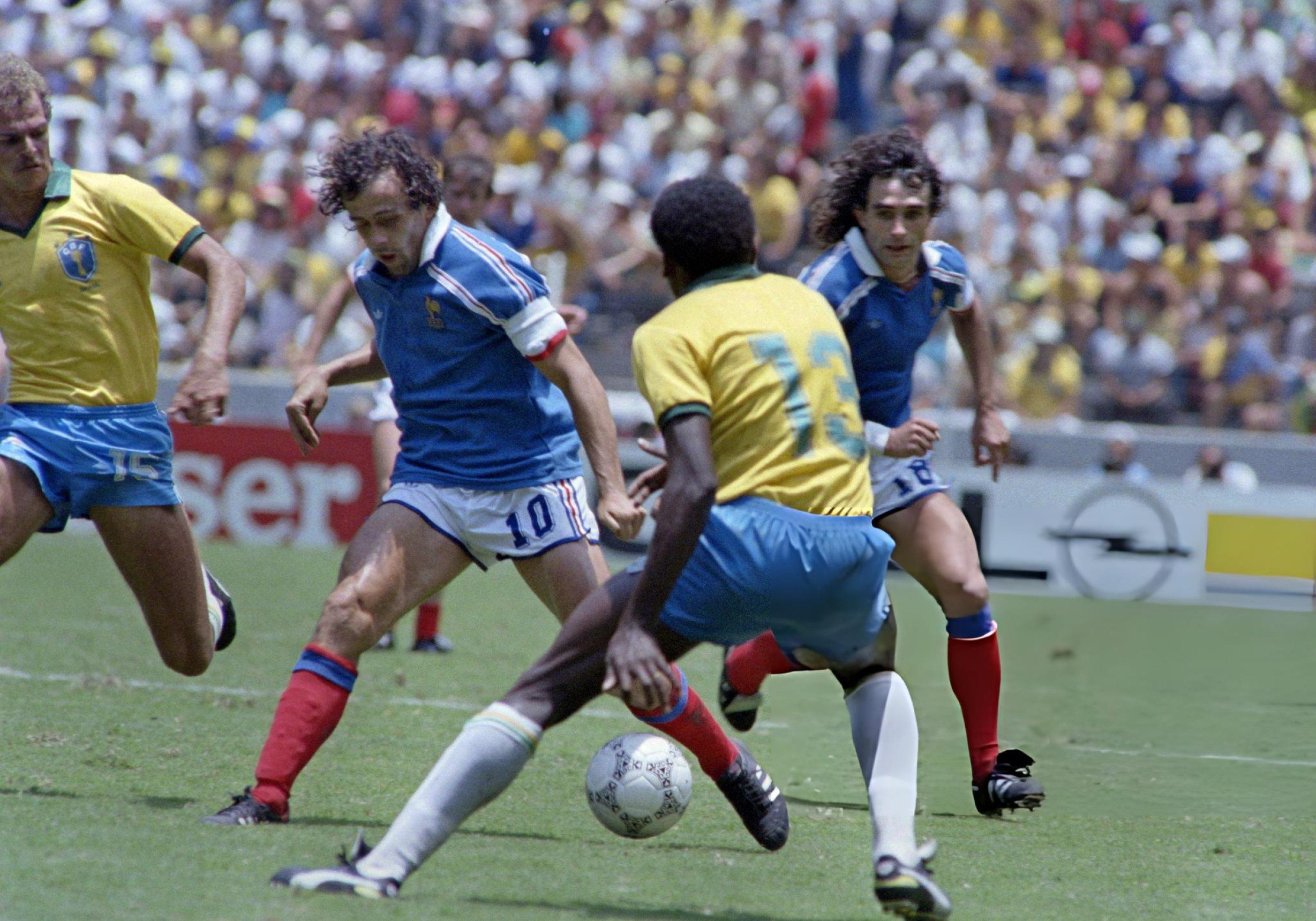
Mintu: The first thing that comes to mind is the quality of footballers. That era had unbelievable players. Argentina had Diego Maradona at his absolute peak. France had Michel Platini. England had Gary Lineker. Spain were also an outstanding side with players like Emilio Butragueno. Brazil, even though they did not win, had one of the finest squads in the world.
I still remember the Brazil-France quarterfinal. It was an extraordinary match. Zico missing a penalty, then Brazil losing in the shootout -- it was heartbreaking for us because many people in Bangladesh supported Brazil.
At the same time, if you compare football from 1986 with football today, you will notice a huge difference in speed and intensity. Modern football is much faster. Players now have less time on the ball, quicker passing speed and much more physical pressure. But for that era, 1986 represented modern football. Football constantly evolves. In another 10 or 20 years, the game will probably look very different again.
DS: Did you support any specific team growing up?
Mintu: Yes, definitely. My favourite team was Brazil. In our school textbooks we used to read about Pelé, the “Black Pearl”. We had heard stories about him long before we saw any proper footage of him. Naturally, Brazil became very popular among us. My father was also a huge football fan and regularly went to local matches in Dhaka. So, football culture existed in our family.
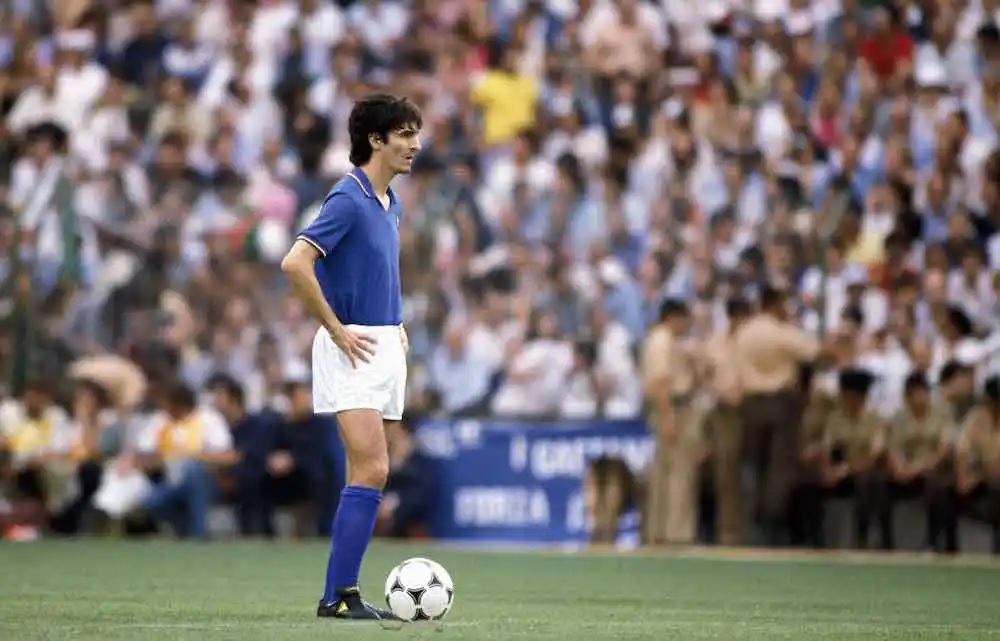
My second favourite team was Italy, mainly because of the 1982 World Cup and Paolo Rossi. I still remember reading stories in newspapers about Rossi and Italy’s triumph in Spain. I was so inspired by him that when I played local football for Badda Jagoroni Club, one of our senior officials gave me the number 20 jersey because Rossi wore number 20. At that age, those things mattered a lot emotionally.
DS: Do you still watch football emotionally, or do you now see everything from a tactical perspective?
Mintu: Earlier I watched football emotionally, definitely. When Brazil lost in 1986, I felt terrible because we expected them to win. But now I watch football very differently. As a coach, I analyse the game technically and tactically. I focus on structure, transitions, defensive organisation and game plans.
Football has become a learning process for me. Every match teaches something. I often say that watching football is not simply entertainment anymore; it is education. If you are connected to football professionally, you must constantly learn.
DS: You have worked extensively as a television analyst during major tournaments. How much preparation goes into that role?
Mintu: A lot more than people realise. If you appear on television and speak professionally, you cannot simply rely on emotion or popularity. You need proper preparation and expertise.
Before major tournaments, I watch qualification matches, study formations, analyse trends and gather information about players and teams. During the 2018 World Cup, for example, I closely studied defensive blocks and transition football before discussing them on television.
There is one thing a teacher of mine used to say: “Why should people listen to you?” That question is very important. If you go on television, viewers must feel that you have something valuable to offer. Otherwise, there is no point.
DS: FIFA has expanded the World Cup from 32 to 48 teams. What is your opinion on the decision?
Mintu: I think it is a positive decision overall because more countries will now get opportunities to participate. Many strong teams previously missed out due to limited slots. Now global competitiveness will increase.
However, the tournament will also become more demanding physically and tactically. There will be more matches, more travel and more pressure on players. Remember, most footballers already arrive after exhausting European club seasons. Then they have to play intense World Cup matches in different cities across three countries -- the United States, Canada and Mexico.
The new Round of 32 phase will also create additional pressure. Earlier, teams moved directly from the group stage to the Round of 16. Now there is another knockout hurdle. So, managing fitness, recovery and squad rotation will become crucial.
DS: What is your view on VAR and the increasing use of technology in football?
Mintu: I strongly support technology in football because it reduces injustice. Controversial decisions can completely change matches and careers. VAR helps minimise those errors.
Some people argue that VAR slows the game down, but honestly, I do not think it damages football significantly. Referees and VAR officials are constantly communicating. A short pause is acceptable if it helps produce the correct decision.
DS: In tactical terms, what do you think are the biggest changes in football between 1986 and 2026?
Mintu: The biggest change is transition football. Modern football is all about how quickly a team can shift from defence to attack or attack to defence. Counter-attacking has become extremely important over the last 15 years.
Another major change is defensive organisation. Modern teams are far more compact and disciplined. You often see structured defensive blocks where teams patiently wait before breaking forward quickly.
Football is now based around what many coaches call six critical moments: in possession, out of possession, attack-to-defence transition, defence-to-attack transition, counter-attacks and set-pieces. These six elements dominate modern football.
Physicality has also increased enormously. Players are stronger, quicker and more athletic than before. But at the same time, individual brilliance can still decide matches. Football remains a team game, but one magical moment from a special player can change everything.
DS: Finally, who do you see as the favourites for the 2026 World Cup?
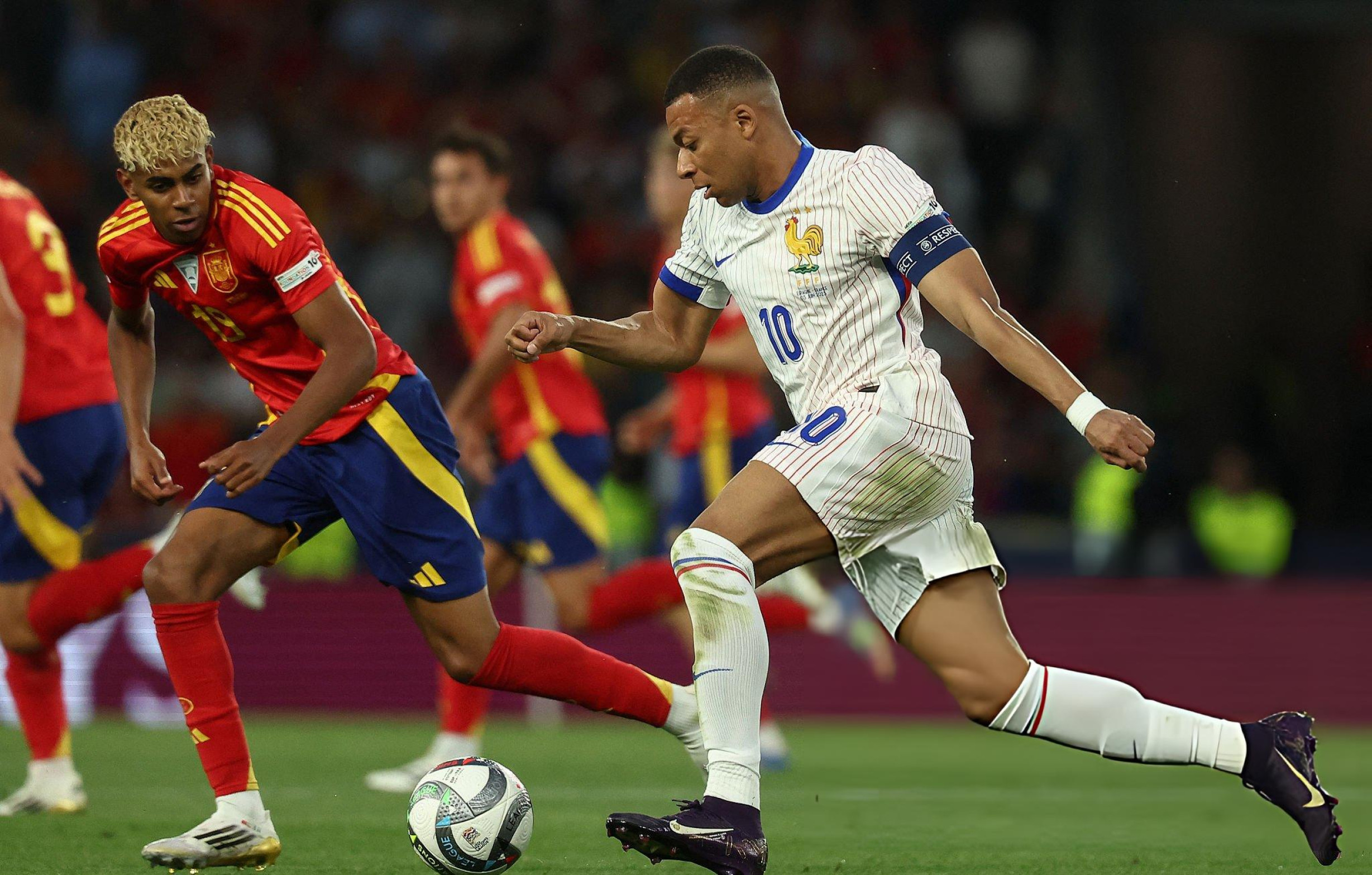
Mintu: It is still early, but traditionally successful nations will again be the strongest contenders. Teams like France, Argentina and Spain have outstanding squads filled with players dominating Europe’s top leagues. England are also very strong contenders because of the quality they possess.
World Cups are usually won by teams that have a history and culture of winning major tournaments. Experience matters enormously at this level.
Brazil, however, concern me slightly because they no longer have the same number of world-class individual superstars they once had. Earlier, almost every Brazilian squad was filled with extraordinary players. That depth seems slightly reduced now.
Still, football is unpredictable. Sometimes tactics, momentum and even luck decide everything. That is why the World Cup remains so fascinating.




Comments