


Shaanxi folk paper-cut craft

Photos: courtesy
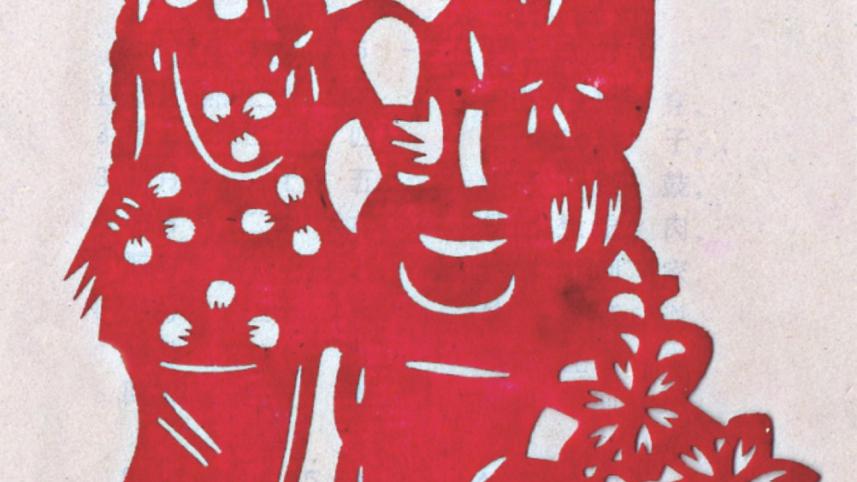
If you roam around China's suburbs, you will be charmed by the decorative doors and windows of the shops and houses that are livened up by beautiful paper cuts with exquisite carvings and interesting shapes. To the Chinese people, it is an aesthetic expression of joy and happiness. It has also been recognised by UNESCO as a 'world outstanding handicraft'.
 For all latest news, follow The Daily Star's Google News channel.
 During a recent trip to China's Shaanxi province, I had the opportunity to get a glimpse of this traditional art form of China. China Daily, one of the leading English newspapers of China, organised the trip and invited around twenty journalists from twelve countries to discover the splendour of Yulin, an administrative city of Shaanxi. Shaanxi is particularly famous for its diverse patterns and vivid depictions of folk motifs in paper-cut art.
On the first day of the trip, we were taken to the Pedestrian Street in Yulin, which resembles the roads of Old Dhaka. There we visited the paper-cut shop owned by Cao Hongxia, a senior craft artist widely revered in China for her unique paper-cut techniques. The enthusiastic manager of the shop showed us a framed paper-cut portrait of Michelle Obama and related that when the American first lady visited Yulin, she showed particular interest in this craft and enjoyed live performances of Hongxia's paper-cut art.
We also experienced the joy of watching a live paper-cut performance. Several layers of paper are fastened together on a relatively soft foundation. Artists cut the motif in hollowed patterns into the paper with a sharp knife, holding it vertically. Every cut-out consists of a single motif rendered in symmetrical designs.
The paper-cut motifs range from pastoral life, folk ballads, ancient monuments to modern day events and people. Interestingly, there are two particular Chinese characters you will find in almost every paper-cut: fu and xi. Fu means luck while xi means 'double happiness'. The manager informed us that during weddings, people paste these characters on doors and windows of the room of newly-weds to wish them a blissful conjugal life. It is believed that light would shine through the negative space of the cut-out and bring luck and happiness to the family.
Most of the works we found in the shop were done on red paper. You will also find the predominant existence of red colour all over China. I originally thought it might have some connection with the ideology of Communism because red is revered as the colour of revolution. Still, I asked the manager about it. He informed us that red symbolises the colour of auspiciousness in Chinese tradition, and the red revolution added extra brightness to the meaning of the colour to Chinse people.
In the shop, there were books and showpieces designed with paper-cut art. The manager presented us a book on Chinese folk stories illustrated with paper-cuts. The simple and touching emotion of folk ballads are exquisitely rendered in ingenious carvings of papers.
When we were returning from the pedestrian street, our tour guide shared that the art of paper cutting is as old as the history of the invention of paper. As paper was first invented in China and then spread all over the world, the paper-cut art accompanied this and took different forms in different regions of the world according to their local styles. In Bangladesh, we also have a rich heritage of paper-cuts, though it does not get much attention. I do not know whether our local paper-cut crafts have any ancestral link with the Chinese ones.
I left the place with the lingering thought that when people first invented the paper, they probably expressed their joy of invention through the colours and shapes of paper-cut craft, which still touches every person from all over the world.
The writer is Sr. Editorial Assistant at The Daily Star.
Comments