


Dhaka’s evolving love affair with strawberries
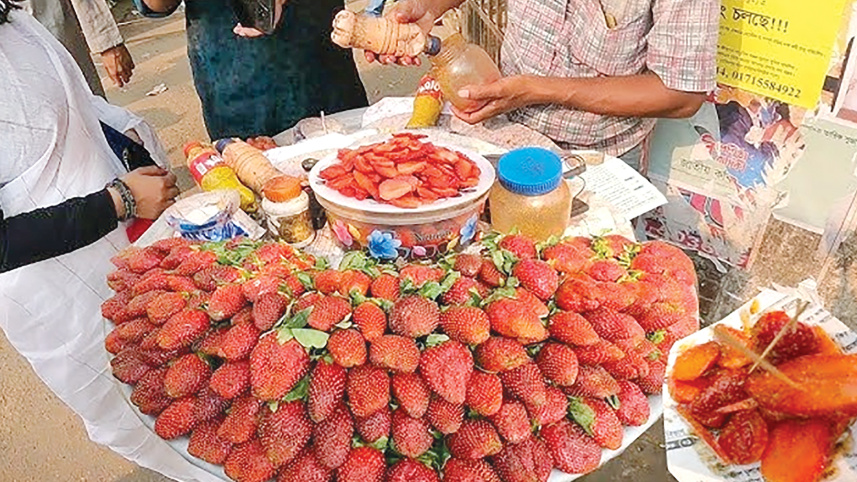
When locally grown strawberries first hit the Dhaka market, still in their trial runs, the fruits were as sour as sour could be. But trust us, Dhaka vendors, we’ve created a desi-styled street snack, like a bhorta mix, to go with it.
I first stumbled on this strange concoction around the Dhaka University campus, but dared to try it from a vendor sitting under the Karwan Bazar overpass.

Strawberries always felt like an exotic fruit, out of my reach. They belonged to rich tea parties or fancy breakfasts, savoured with melted chocolate, cheesecake, or Greek yoghurt. For the rest of us, they were too sour to bother with.
That changed once I picked a chunk from the recycled newspaper packet and let the vendor’s spice mixology hit me.
The sweet and sour taste of the strawberries clashed with the heat of green chilies, the tang of mustard oil or kasundi, which is a local fermented mustard sauce or relish, and the sharpness of rock salt -- all put together, worked delightfully well.
It was not mashed like a bhorta, but chopped and mixed, giving sour strawberries a fiery street-food identity. It became, and still is, a seasonal favourite in Dhaka.
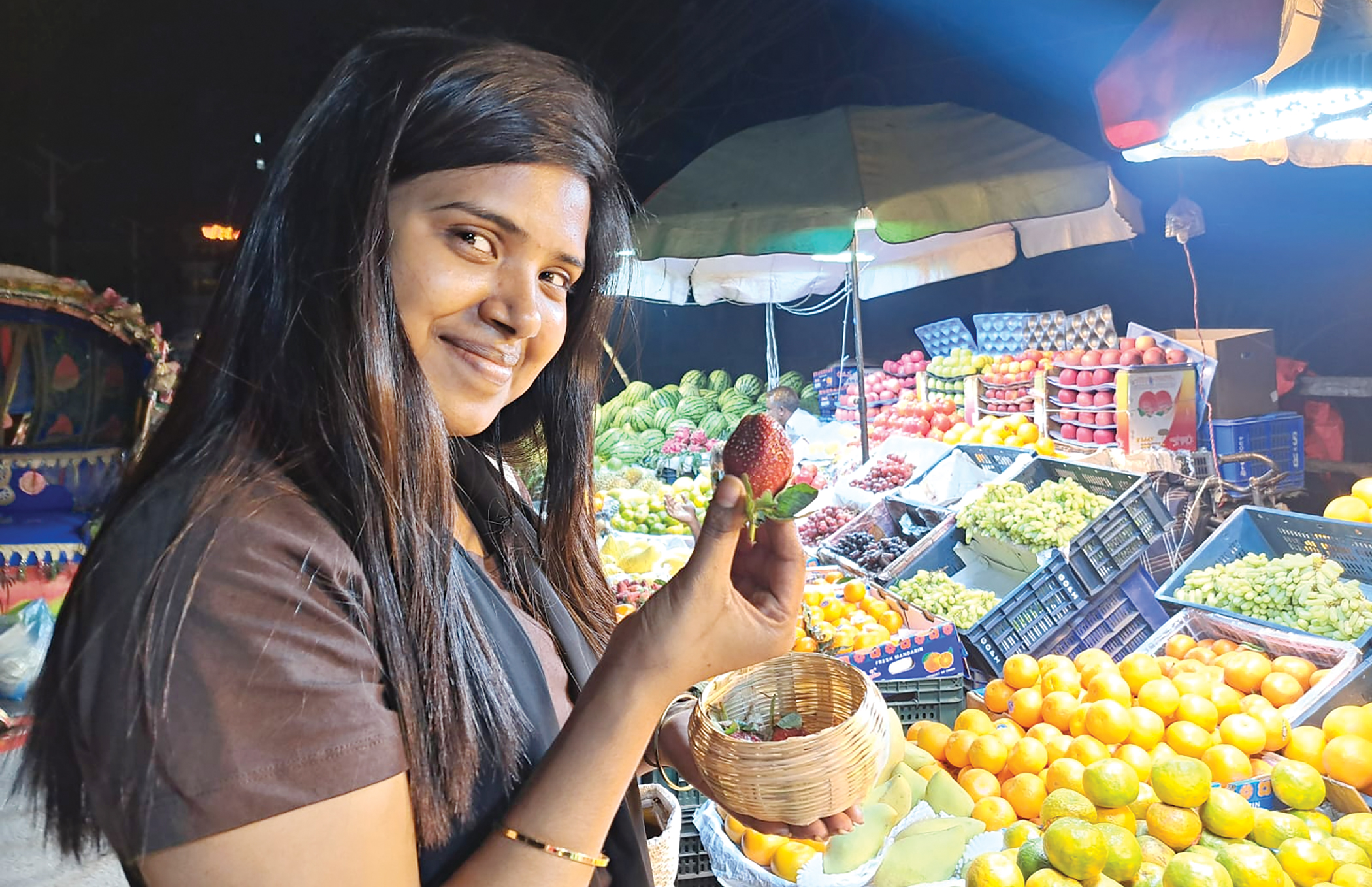
However, after years of trial and error, local strawberries are now sweet, juicy, and plump, enticing people like me to even try going on strawberry-picking trips on the outskirts of Dhaka.
Picking your own strawberries from the fields is slowly but surely becoming an adventurous attraction. And with families and farmers posting reels and selfies among the vibrant red rows of the fruit, the only tune echoing in my mind is the timeless Beatles favourite: “Let me take you down, ’cause I’m going to Strawberry Fields… Nothing is real, and nothing to get hung about… Strawberry Fields Forever.”
But getting here wasn’t easy. Commercial strawberry cultivation in Bangladesh took years of tests and trials, since the fruit is not traditionally native to the country. Pioneer cultivators faced losses in the early years due to poor quality and hesitant buyers. The bigger challenge was to acclimatise strawberries to our tropical/sub-tropical climate and soil.
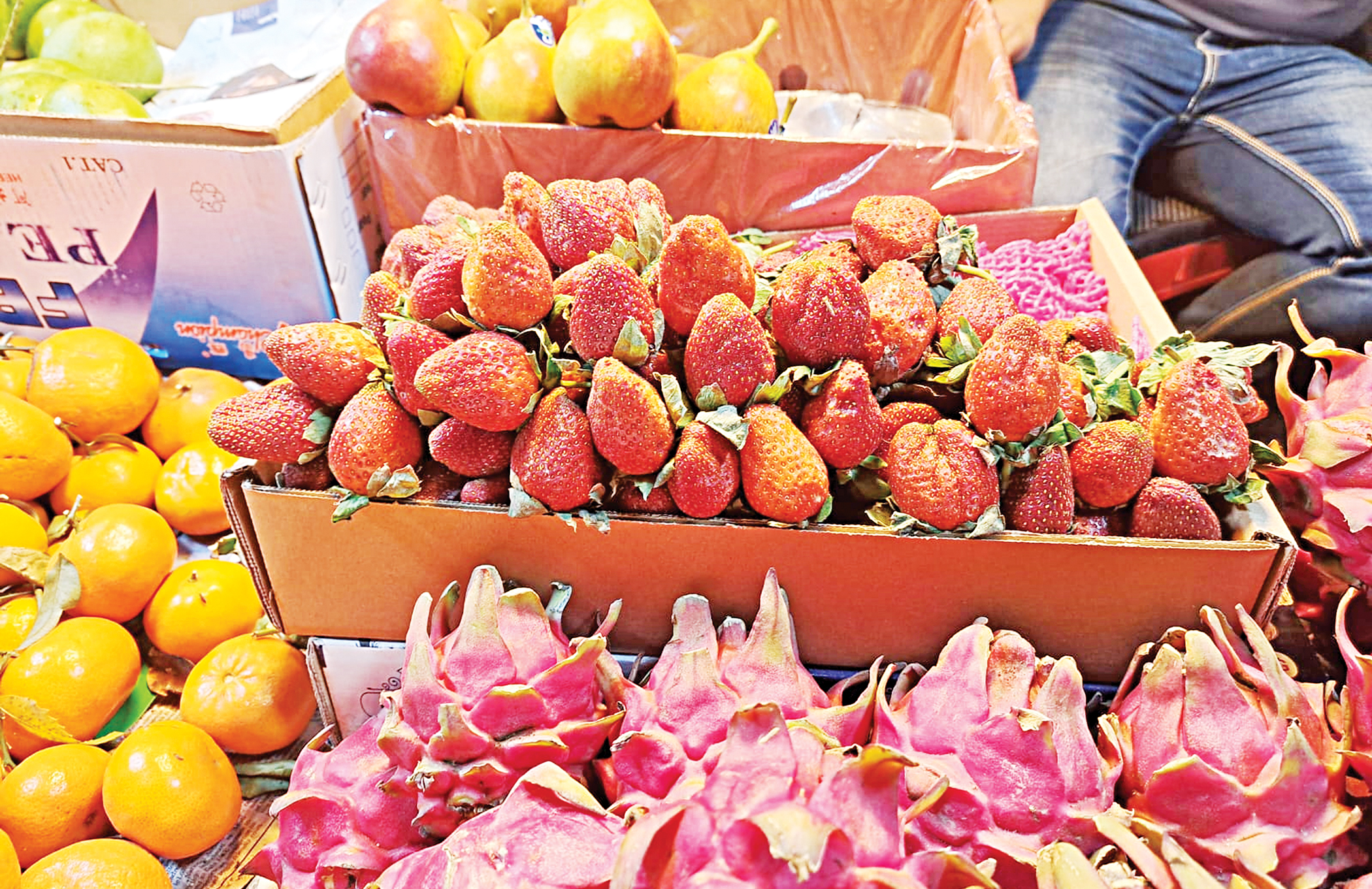
Fast forward to today: the net result is a bumper harvest of sweet, juicy strawberries. Social media is now flooded with advertisements inviting Dhaka residents to pick strawberries straight from the fields in Kurigram, Lalmonirhat, Rajshahi, and Bogura. The sandy loam soil of these areas in winter gives the right conditions for growing the profitable local varieties called Rabi 1, Rabi 2, and Rabi 3.
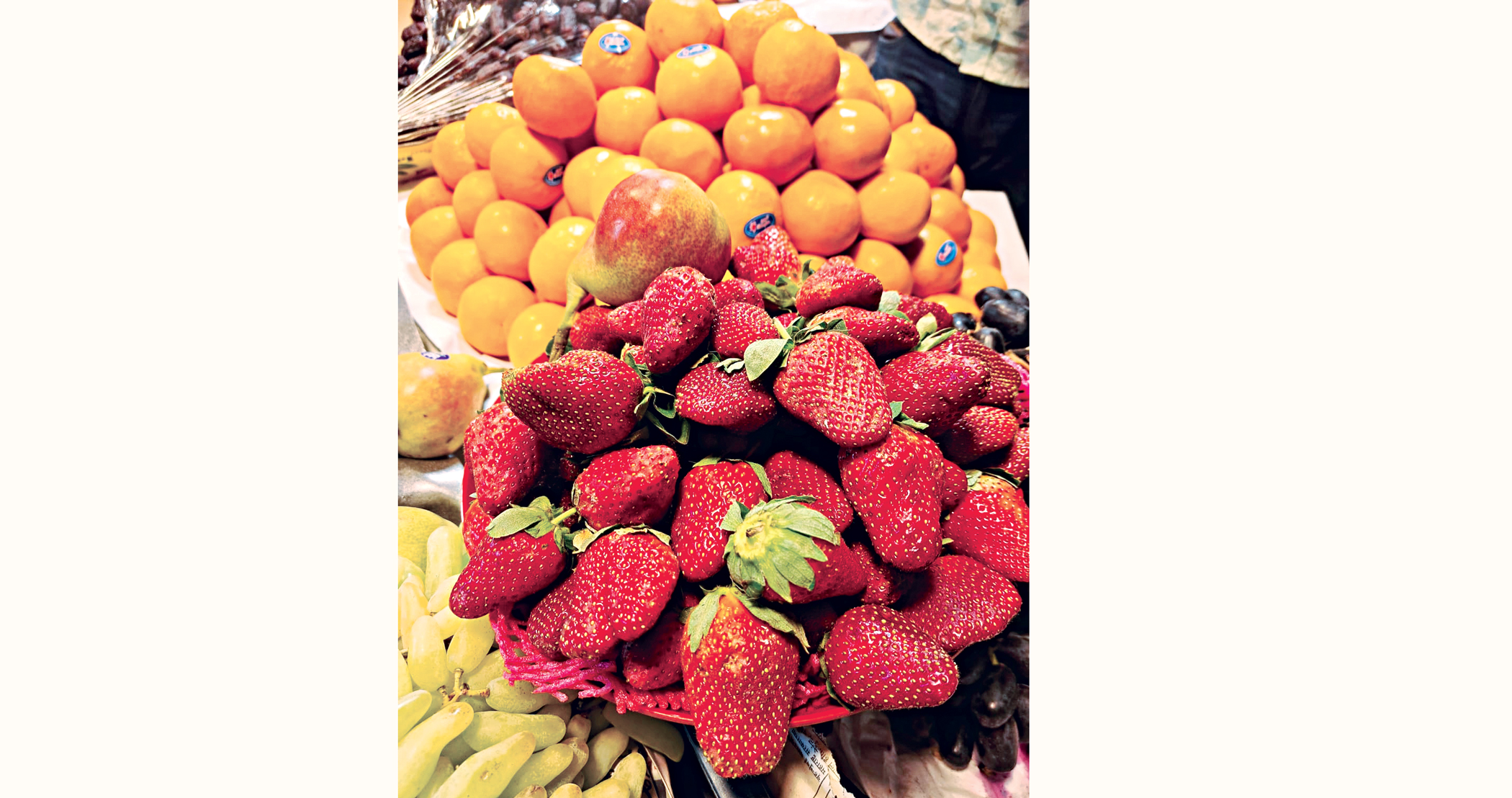
Now, things are looking good. Local strawberries are giving the imported ones stiff competition in terms of look, colour, size, and taste. And we, as buyers, have finally taken to the flavour -- adding the fruit to our ice cream scoops, or making jam and compote to enrich our home-made confectionery.
Street prices vary between Tk 550 and Tk 1,200 per kilo in Dhaka markets, and Tk 250 to Tk 500 for wholesalers. And with Ramadan underway, strawberries have found a new role. After a long day of fasting, their hydrating juiciness offers both comfort and nourishment, making them a seasonal blessing on our iftar tables.
They slip easily into our iftar spread -- whether tossed into fruit chaat, blended into a lassi, or simply eaten fresh after dates. They bring a refreshing sweetness to break the day’s fast. A fruit packed with vitamin C, antioxidants, and natural sweetness that was once seen as too exotic, too sour, now feels right at home on Dhaka’s iftar tables.
 For all latest news, follow The Daily Star's Google News channel.
Comments