


How to Do To-Do Lists
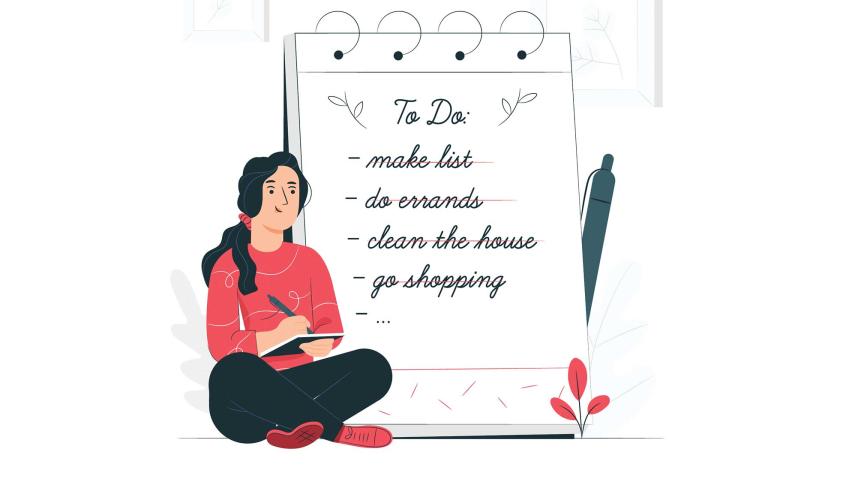
No matter who you are, you're lying if you say you have never tried to organise your daily chores, appointments and work into some sort of list. From sticky notes, notepads and journals to modern-day applications like Notion, to-do lists come in different varieties.
While people recognise the importance of making a to-do list, very few actually know how to make a proper one. Therefore, people fail to update their list and fall out of the habit of making one.
 For all latest news, follow The Daily Star's Google News channel.
 To make things easier, here are some tips you should keep in mind.
Not burdening the list
Making a list is fun, but just because you're making a list doesn't mean you have to include every work you can think of. It also doesn't mean you need to include anything that takes five minutes to finish so you can make yourself happy with the satisfaction of your progress. Regardless of the size of your list, make sure you add tasks that you think are doable during the day.
If it's absolutely necessary, omitting tasks to have more time for something more important is completely fine. Remember that your list is supposed to help you, not overload your mental state.
Setting proper deadlines
A to-do list is useless if there are no deadlines. Most to-do lists centre around daily tasks, but the deadline can also be flexible according to your needs. It's also crucial to prioritise tasks according to their significance.
For example, your assignment due today should be your first priority, even if you have a gym session in your regular schedule.
Being specific
One of the main reasons people make a to-do list is to plan the entire day and not waste any time thinking about what to do. When we make a list, frequently, we frame our actions vaguely. And then when we sit down and start working, a lot of our energy is spent thinking about where to start. By the time we figure it out, we lose our concentration and think about taking a break (again).
Instead of allocating a specific time for, let's say, working out, breaking it down will make it much easier to focus on what we want. A better way of framing would be something like, "Run for 15 minutes at a stretch in the afternoon". What this does is it reinforces a period for your action and, at the same time, doesn't stress you out.
A separate list of completed tasks
How you do this is subjective, but a unique aspect of to-do lists is keeping a record of completed tasks. Whether you make a separate list of what you did today or cross out your tasks, it's important to recognise your effort and progress.
Even if you can't complete some of your allocated tasks, you shouldn't be hard on yourself. Try to celebrate your wins so that you have more incentive to continue making and using lists.


Comments