Bangladesh and the West’s double game on trade and climate

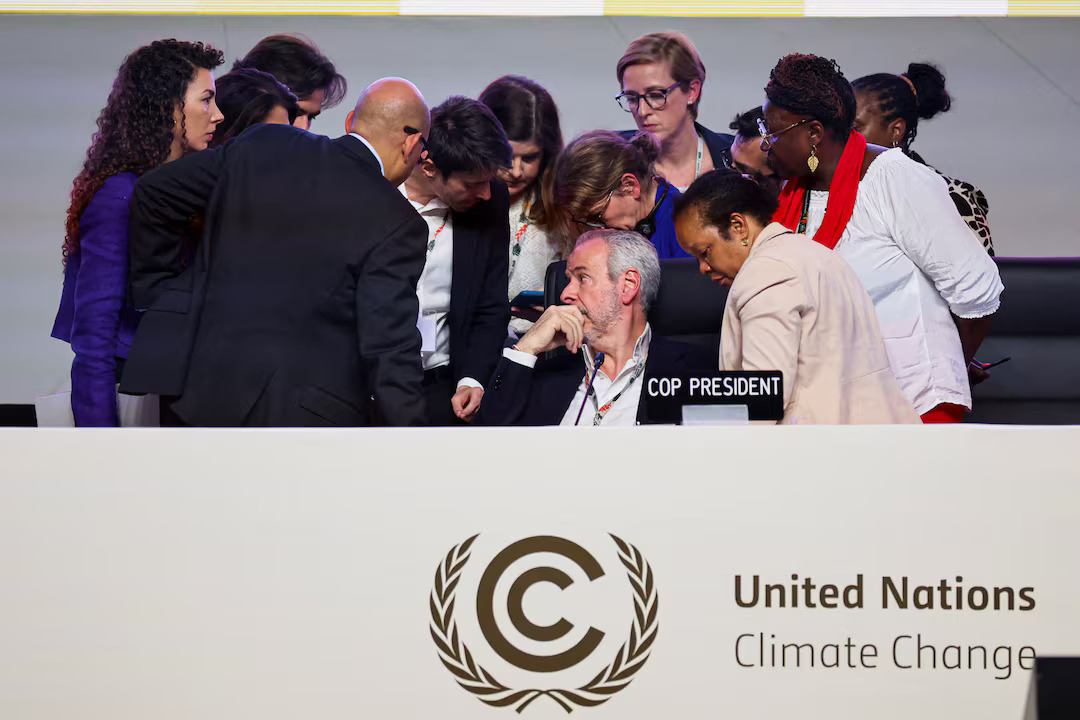
COP30 concluded in the third week of November, with rich countries pledging $1.3 trillion in annual funding to developing nations in the Global South by 2035. On the other hand, developing nations, including Bangladesh, have witnessed a drama unfold since the start of 2025 under the pretext of “balancing the books” of global trade. The targets set to reset the global climate and economy reflect nothing but Western hypocrisy masked as well-meaning corrective moves.
Before finding links between the two matters, let’s dig deeper into the tension over trade.
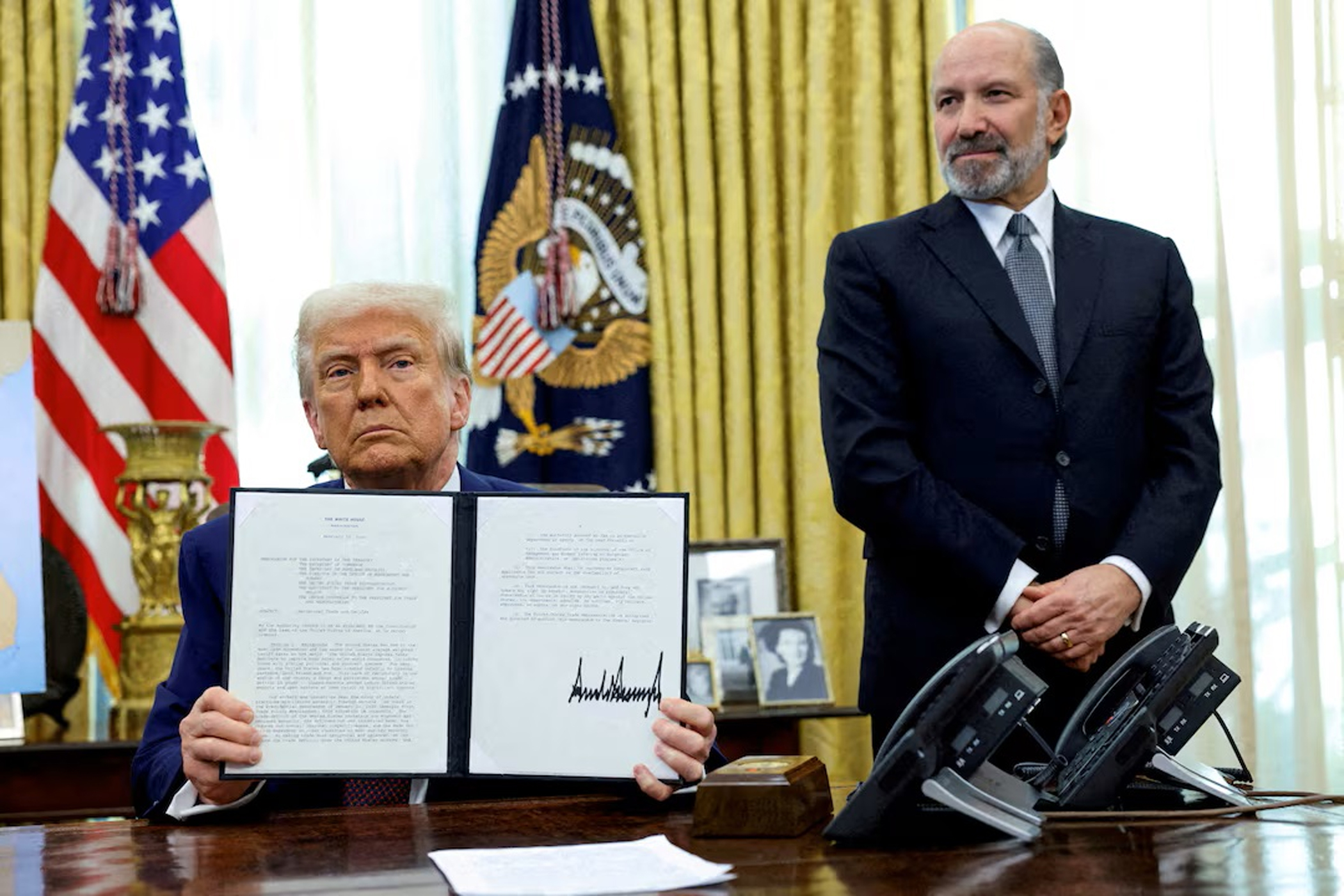
The Trump administration has been insisting that developing nations must narrow trade deficits with the US to continue having access to its market. Take Bangladesh, for example. The trade gap between the US and Bangladesh stood at $6.1 billion in 2024. Bangladesh mostly exports ready-made garments to the US to earn dollars much needed to import essential goods for its population of more than 175 million. The US trade-rebalancing pressure has been followed by the European Union. In the first week of December last year, speaking at a dialogue organised by the Bangladesh Investment Development Authority (BIDA), EU diplomats insisted on more imports by Bangladesh from the bloc to ensure “mutual benefits”.
After all, no one wants to be left behind at the negotiation table.
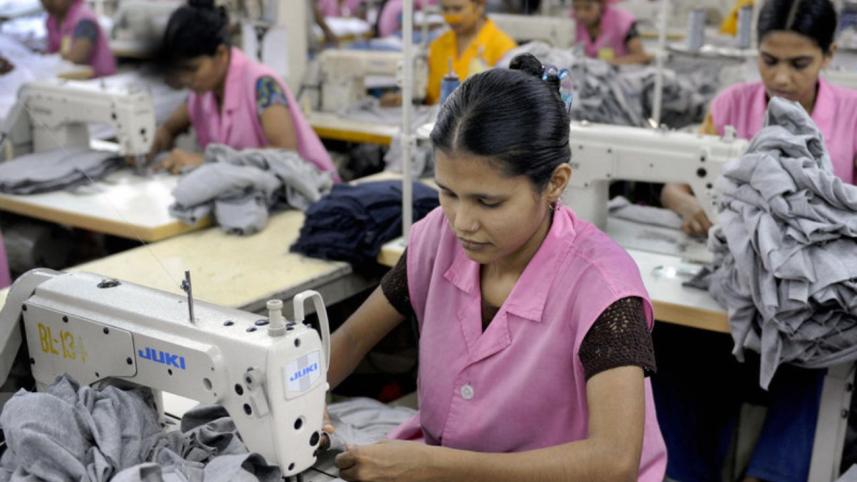
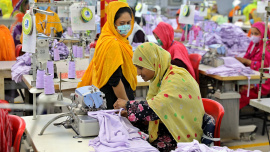
So, the focus has now shifted from the rights of low-waged workers to fixing the global supply chain that has apparently unfairly advantaged countries such as Bangladesh, India, China and Vietnam, among others. Has the world forgotten that, as part of globalisation, manufacturing from rich countries moved to poorer nations so that goods and services could be available to people in the former at cheaper prices? While the overall affordability of those living in wealthy nations has improved, increasing their consumption, cheap labourers, for example, in RMG factories in Bangladesh, have struggled to earn a living wage.
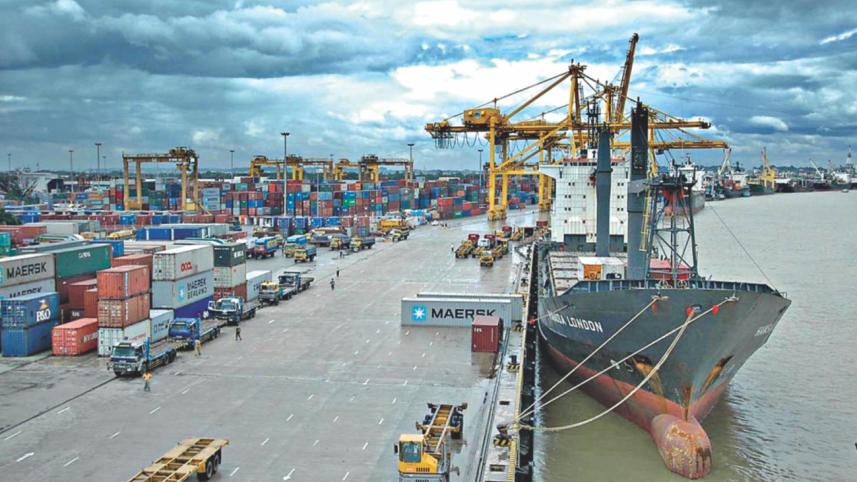
Garment manufacturers in India, Vietnam and Bangladesh have been competing with each other not to strike a fair deal but to offer the lowest “sustainable” prices within their respective socio-economic structures and labour availability. How could prices be so low yet sustainable that a pair of “made-in-Bangladesh” jeans can be sold at a retail shop in the US at the hourly income of a wage earner there? The answer lies in manufacturers surviving on very low margins and workers toiling every day to live in perpetual deficits.
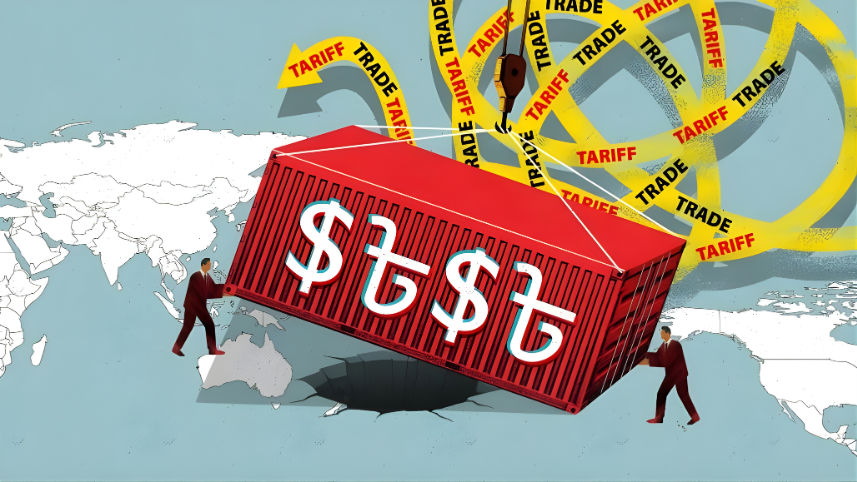
The US threatened Bangladesh, as it did others, with high tariffs on imports from those nations unless they also imported American produce to reduce trade deficits. The government of Bangladesh scrambled to oblige, as it is about the survival of an industry that earns more than 80 per cent of export revenue, of which more than 18 per cent comes from the US.
In this, there is no scope for price negotiation—the US will sell whatever it has in abundance, and Bangladesh will have to buy it irrespective of whether it needs the products or whether those products can be sourced from cheaper destinations. The sole purpose of the US in this is to protect its industries, create more jobs and help its economy flourish.
American goods, even if the cheapest in the US, reach the market after the payment of the minimum wage in that country. The federal minimum wage, according to the US Department of Labor, is $7.25 per hour, while the minimum wage in the RMG sector in Bangladesh is Tk 12,500 (around $113) per month. Monthly income in Bangladesh is even lower in the informal sector, which accounts for more than 80 per cent of those employed, as per the Labour Force Survey 2022. That means the dollars hard-earned by Bangladeshis will have to be spent on expensive imports to keep earning foreign currency.
Bangladesh signed the latest deal in December last year with the US to buy wheat at $312.25 per tonne—not through bidding but under a government-to-government arrangement—according to a statement from the finance ministry. In July, Bangladesh received the lowest wheat offer at $268.90 per tonne. US wheat at a higher-than-global-market price is not meant to ensure better health for the population in Bangladesh but to support the agricultural industry in the US. In other words, those who live here on bare minimum pay are forced to buy US wheat at higher-than-affordable prices so that more people find a livelihood in American wheat fields.
There may be an argument that the government would subsidise US wheat so poor people living in slums would also be able to buy it at a lower price. But the money spent on subsidies could take a significant slice of Bangladesh’s limited resources, as evident in its poor budgetary allocation for education, health and public welfare. Investments to protect biodiversity and the climate are a far cry.
Costly imports from the US are not limited to agricultural products such as wheat and cotton. The US wants to sell its machinery, liquefied natural gas (LNG), defence equipment and Boeing planes too. Bangladesh has already ordered 25 Boeing aircraft, not because it needs that many but as part of a trade and tariff negotiation with the US. The appeasement efforts did not go in vain, as the US lowered tariffs on Bangladeshi goods from 35 per cent to 20 per cent.
Having seen that power play works, the EU has followed suit and is now demanding similar privileges.
The forced selling by the US and the EU will shrink Bangladesh’s capacity to spend on more urgent needs, including tackling climate change and climate adaptation. This may make rich countries richer, securing their white-collar jobs as well—in the aviation industry, for instance—but will leave nations such as Bangladesh with an unsustainable economy.
Apart from the strain on affordability, the purchase of products that the nation does not require will also create more carbon emissions. Such unnecessary emissions in third-world countries should be disapproved of when rich countries are facing higher targets for funding climate change adaptation and mitigation there in the years to come.
Meanwhile, the evolving dynamics of global trade will only concentrate capital further in the West and boost its power to negotiate with the rest of the world. In such a situation, Bangladesh and many other countries will not have the opportunity to choose. Rather, they will have to accept the garbage that the West does not want to keep on its shores.
The process has already begun. Bangladesh has been asked to purchase cotton from the US that it could easily import from neighbouring India and machinery that could be sourced from China. Imports from India and China would involve lower costs and lower shipping charges.
On the other hand, transportation from the US to Bangladesh will cause higher carbon emissions. In the case of imports of high-tech products from the US and the EU, maintenance and repair will also be costlier and involve a carbon-inefficient loop.
Over time, developed countries may start pushing products and technologies that have become obsolete there onto nations in the Global South—for instance, the export of used cars—because they will care only for their own economic growth and profits, as is the case now. Several developed countries have already raised eyebrows by shipping undeclared waste to lands in Southeast Asia.
A decade from now, in 2035, when developing and poor nations ask for more money in loans and grants to invest in renewable energy, green technologies, waste management and sustainable living, the West will remain at the helm of climate talks, and countries like Bangladesh will be at their mercy.
Meanwhile, the made-in-Bangladesh T-shirt, which brings an average of $1.76, does not help generate enough earnings for investments in environment-friendly production. But the US and the EU demand both—cheaper garments and manufacturers being responsible towards the global climate. As is the case with climate and trade, the West wants countries such as Bangladesh to care for the climate while, at the same time, bridging trade deficits at the cost of more urgent needs like food security and health.
Bishakha Devnath is the business editor of The Financial Express.
Send your articles for Slow Reads to slowreads@thedailystar.net. Check out our submission guidelines for details.
Why Nepal’s devastating floods should no longer surprise us

What kind of doctors does Bangladesh need?
Why aren’t we talking about the health risks of battery rickshaws?

What six South Asian economists taught the world about development

Can Dhaka’s Pink Bus break a four-decade pattern?

Kazi Khalid Ashraf & Adnan Zillur Morshed on Dhaka's Future / What kind of city do we really want?
Is Bangladesh’s garment industry ready for the next shock?
Can pink buses make travels safer for women?
Chained majesties: The plight of captive elephants in Bangladesh