In the shadow of distance: Bangladesh, memory, and the diasporic imagination

In the antipodean calm of suburban Sydney, where the summer light falls with an almost antiseptic clarity, Bangladesh often arrives not as geography but as afterimage.
There is the smell of damp earth after monsoon rain, the tremor of political slogans echoing through university corridors, and the anxious pride of my father awaiting a postal ballot thousands of miles from the polling booth. Distance, as the essayist Pankaj Mishra has often suggested in his meditations on Asia’s turbulent modernity, does not dilute attachment. It can refine it into a sharper, sometimes more painful awareness of what has been lost, deferred, or betrayed.
I left Bangladesh as a child and grew up in Australia, a country that prides itself on an egalitarian spirit, multiculturalism and an order built on its British-derived institutions.
Yet the gravitational pull of Bangladesh, especially the country’s unfinished arguments with itself, has only intensified with time. The recent national election, arriving in the wake of the student revolt of 2024, has stirred a cautious optimism among expatriate Bangladeshis.
For many of us, hope is no longer an abstract virtue but a hard-earned discipline, practised against the evidence of corruption, factionalism and the wearying cycles of political vengeance that have long defined our homeland.
During my recent visit, I walked through the campus of the University of Dhaka with my teenage daughters, who were born in Australia to a non-Bangladeshi mother. The university, with its ageing façades and revolutionary graffiti, has long served as the moral theatre of the nation. Here, the student protests of 2024, like earlier movements in 1952, 1969 and 1990, reasserted the stubborn agency of youth against the calcification of power.
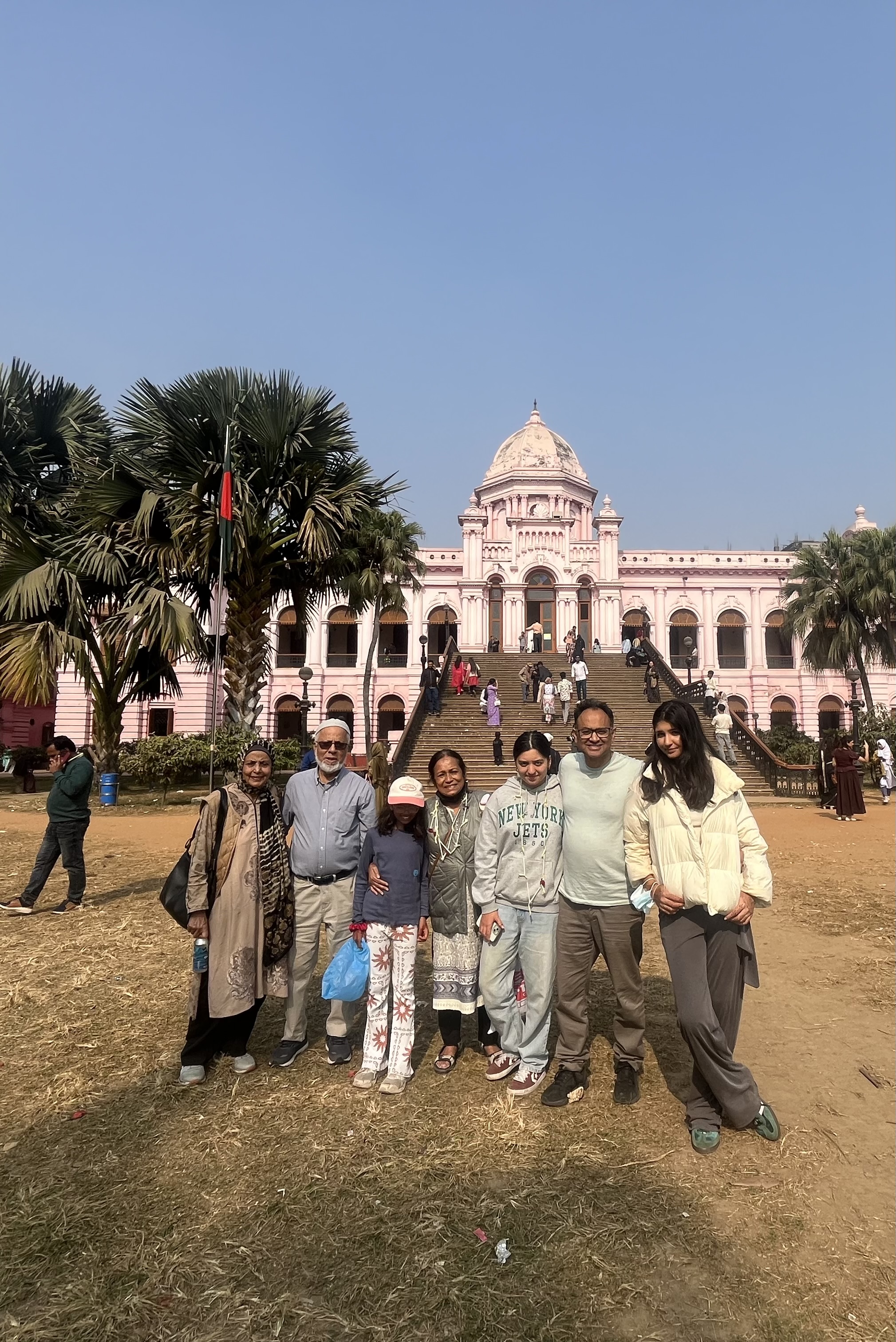
My children, raised amid Australia’s placid civics, found themselves unexpectedly captivated by the idea that students could reshape a nation’s destiny. In their curiosity lay a quiet rebuke to the cynicism that often infects diaspora conversations about Bangladesh: that nothing changes, that corruption is endemic and that hope is naïve.
From afar, the election appeared largely peaceful, an outcome that in Bangladesh carries the weight of a small miracle. International media reported anxieties about rising Islamic extremism and threats to Hindus and women. Such concerns must never be dismissed lightly in a region where majoritarian impulses have repeatedly scarred minorities.
Yet my own observations were more ambiguous. Tension existed, yes, but so did an everyday pluralism: Hindu shopkeepers opening their stalls at dawn, women navigating public spaces with determined normalcy and young men debating politics with an intensity that suggested investment rather than despair. Bangladesh, like all nations, resists the flattening narratives imposed upon it by distant observers.
Among expatriates in Sydney—where the Bangladeshi community has grown steadily over the past two decades, driven largely by international students—there persists a lament about corruption’s corrosive reach.
Bangladesh’s achievements are undeniable. There have been dramatic gains in female education, reductions in child mortality and a globally significant garment industry. Yet these advances coexist with a parallel economy of patronage and impunity that limits the nation’s potential. Corruption in Bangladesh is not merely a legal failure; it is a moral injury, eroding trust in the very idea of collective progress.
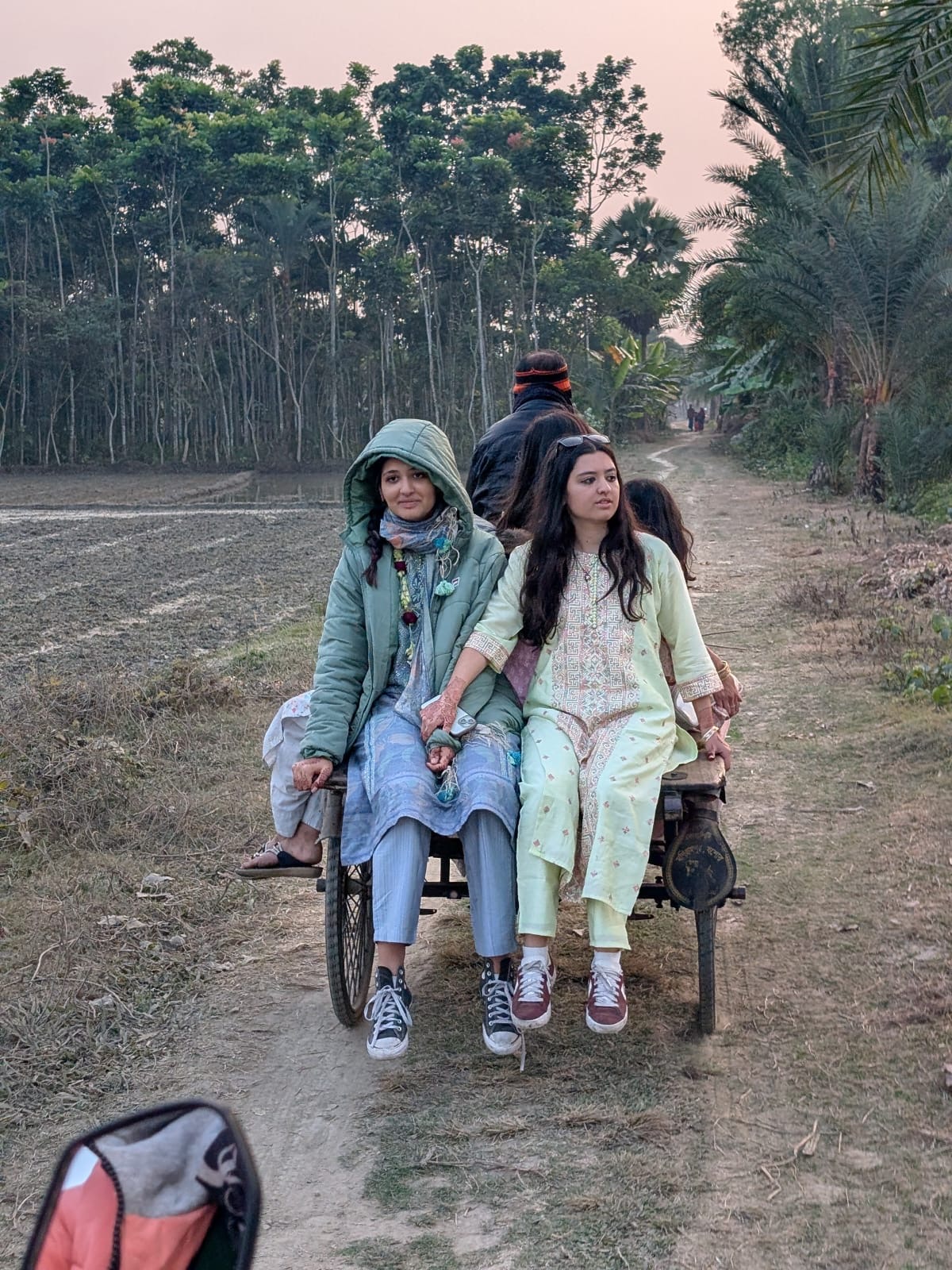
My visit to my parents’ village near Jessore, close to the Indian border, offered a more intimate vantage point on these contradictions. I conducted a small medical clinic, an improvised gesture that revealed the structural fragility beneath Bangladesh’s developmental success. Villagers arrived with ailments that were at once clinical and allegorical: the garment worker whose chronic pain mirrored the punishing rhythms of global supply chains; the woman suffering from delusions of jealousy, her distress rooted in the prolonged absence of a husband labouring in Malaysia; children whose malnutrition coexisted with the glittering export statistics that proclaim Bangladesh’s economic ascent.
Bangladesh, like the Philippines, exports not only goods but people. Migrant labour across the Gulf, Southeast Asia and beyond has become a pillar of the national economy, sustained by remittances that keep rural households afloat. Yet this system fractures families and reconfigures intimacy. Couples live apart for years. Children grow up with one parent rendered spectral by distance. The psychological toll is seldom measured in policy debates but manifests in clinics, classrooms and the private agonies of suspicion and loneliness.
Education, too, reflects the nation’s unresolved tensions. In many villages, Islamic madrassas offer the most affordable schooling, filling a vacuum left by underfunded public institutions. For poor families, the choice is less ideological than economic. Yet the long-term implications of curricula that may not equip students for a globalised economy pose challenges for a country striving to harness its demographic dividend.
Health and education, the bedrock of any just society, remain unevenly distributed, their deficiencies most acutely felt by women and girls. Female empowerment, often celebrated in development reports, requires deeper structural commitments: safe schools, reproductive healthcare and protection from early marriage.
These are not merely domestic concerns. Bangladesh’s future is entangled with the fate of its diaspora, now dispersed across global cities like Toronto, London, New York, Los Angeles and Sydney. Diasporic communities represent a vast reservoir of capital: financial, intellectual and cultural. They also embody the contradictions of belonging: at once integrated into host societies and perpetually marked by difference. In Western countries, rising anxieties about migration, often coded as fears of Muslim influx, threaten to constrict pathways for future Bangladeshis seeking education or employment abroad. The irony is stark: nations that benefit from migrant labour and international students increasingly erect barriers against them.
In Sydney, the Bangladeshi community’s growth has been driven by international students who arrive with aspirations shaped by global media and familial sacrifice. They navigate precarious work, visa uncertainties and subtle exclusions, yet remain tethered to Bangladesh through remittances and digital intimacy. Their lives exemplify what Mishra has described as the “globalisation of longing”: the simultaneous expansion of opportunity and intensification of displacement. For these young migrants, Bangladesh is not merely a homeland but a horizon of obligation, from parents to support to siblings to educate.
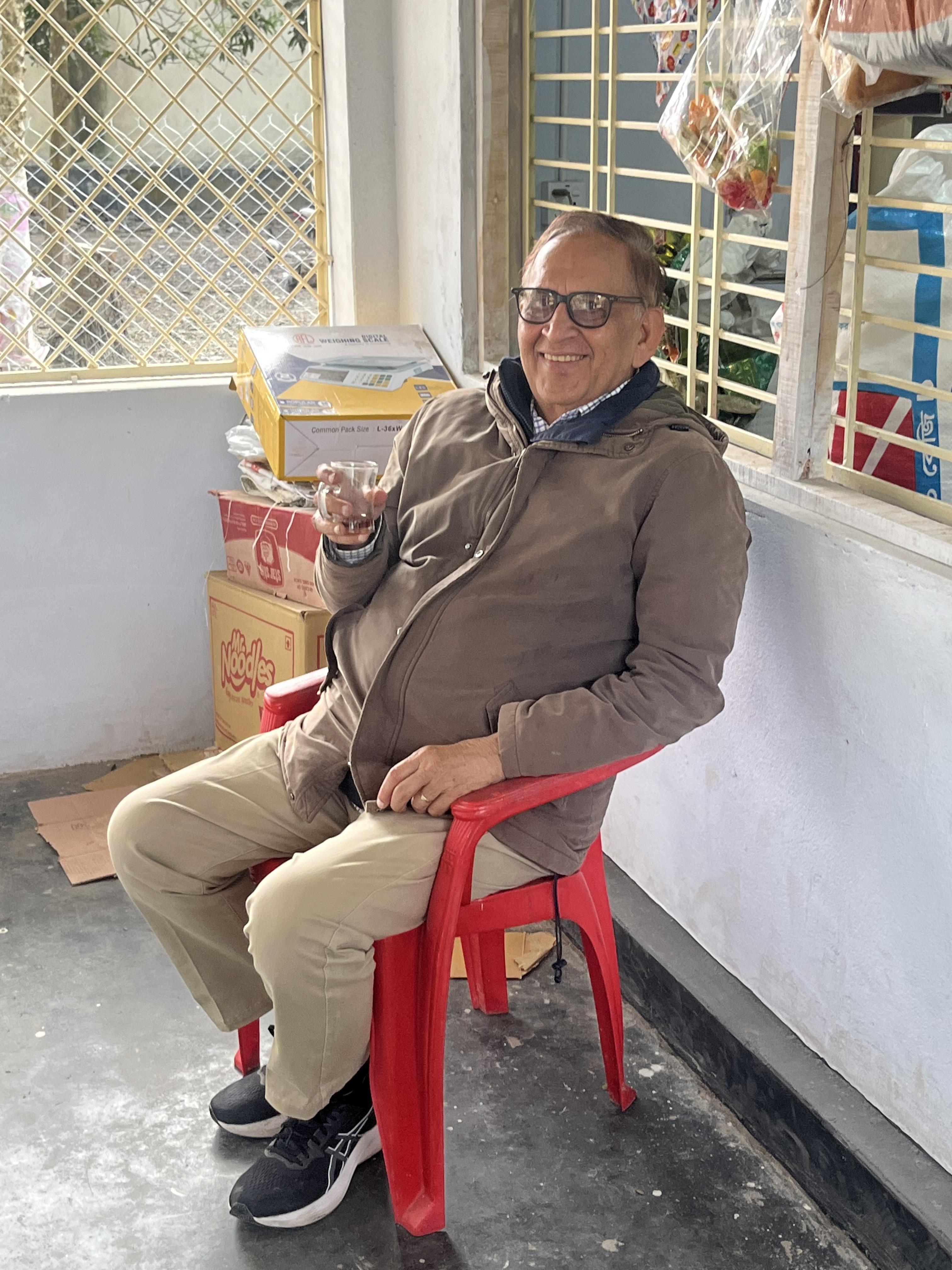
My father’s excitement at casting a postal vote from Australia captured the emotional geometry of diaspora politics. Participation, even at a distance, affirms a continuing stake in the nation’s trajectory. Across Australia and the wider world, similar stories abound: expatriates queuing at consulates, refreshing news feeds through the night and arguing over party loyalties in suburban living rooms. Such engagement complicates the notion that migration dilutes patriotism. On the contrary, distance can intensify the desire for a Bangladesh that fulfils its unrealised promise.
The incoming government led by Tarique Rahman and the Bangladesh Nationalist Party faces a formidable inheritance. It must address corruption without weaponising anti-corruption as a tool of political retribution. Rahman must safeguard minorities without inflaming sectarian anxieties. He has expressed his wish to expand educational access while ensuring quality. His team should also look to harness diaspora resources without reducing expatriates to mere remittance machines. Above all, it must cultivate trust—a scarce commodity in a polity long accustomed to betrayal.
Bangladesh’s story has often been told as a narrative of resilience against natural disaster and geopolitical marginalisation. Yet resilience, while admirable, can become a trap, normalising hardship and lowering expectations of governance. The aspirations voiced during the student protests, and echoed in diaspora conversations, suggest a shift from resilience to rights. This includes the demand for accountable institutions, equitable development and a civic nationalism that transcends religious and ethnic divisions.
For expatriate Bangladeshis, the challenge is to resist both romantic nostalgia and cynical detachment. We must acknowledge the nation’s failures without surrendering to fatalism and celebrate its achievements without ignoring their fragility. Our vantage point—simultaneously inside and outside—offers a unique capacity for critical solidarity.
We can advocate for reforms, invest in local initiatives and challenge misrepresentations of Bangladesh in Western discourse. But we must also listen: to garment workers describing exhaustion, to village mothers calculating school fees, to students risking arrest for the promise of a more just society.
As I left Bangladesh, my children asked to what extent they were Bangladeshi. The question, deceptively simple, encapsulated the diasporic condition. They are both, and more: participants in a transnational narrative that binds Sydney’s suburbs to Dhaka’s streets, Jessore’s villages to Kuala Lumpur’s construction sites. Their inheritance is not a fixed identity but a set of responsibilities.
In the end, Bangladesh endures not only in its territory but in the moral imagination of those scattered far beyond its borders. Hope, like migration, is a movement. It crosses oceans, generations and the fragile architectures of memory.
Whether the current moment marks a genuine turning point or another interlude in a long history of deferred dreams remains uncertain. But for the first time in many years, the afterimage feels less like loss and more like possibility.
Tanveer Ahmed is a Sydney based psychiatrist and author. He can be contacted at drtahmed@gmail.com.
Send your articles for Slow Reads to slowreads@thedailystar.net. Check out our submission guidelines for details.

The curious case of Bangladeshi ‘tension’
What can a teacher give that AI cannot?

What phuchka and jhalmuri can teach us about the science of taste

Remembering Yayoi Kusama: My encounters with the master of infinity

Dress and morality : The politics of what women wear

Is being single at 35 a failure?
Travelling through books / One more page please, Mama

BTV does not need a new look to have a new future

Why is there so much anxiety about women’s bodies?