


The Role of Bacteria
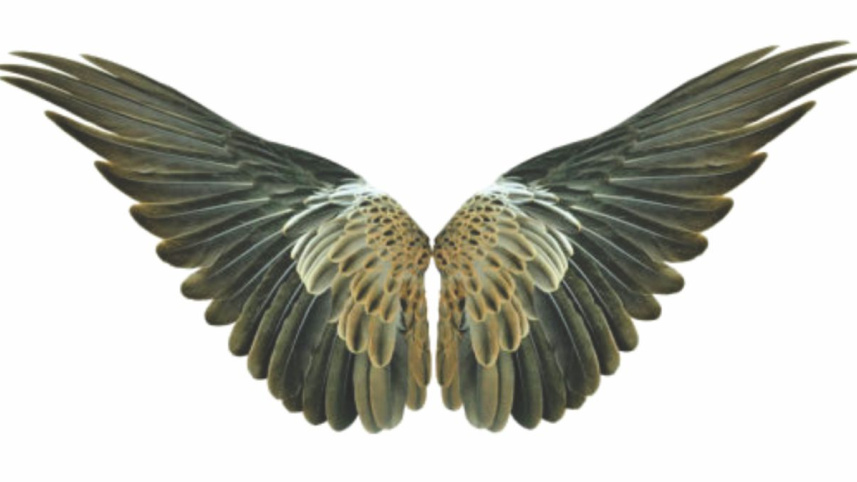
The evolution of major novel traits – characteristics such as wings, flowers, horns or limbs – has long been known to play a key role in allowing organisms to exploit new opportunities in their surroundings.
What's still up for debate, though, is how these important augmentations come about from a genetic point of view.

New research from an international team of evolutionary biologists, led by the University of Oxford, has used bacteria to show that acquiring duplicate copies of genes can provide a 'template' allowing organisms to develop new attributes from redundant copies of existing genes.
Gene duplication has been proposed as playing a key role in innovation since the 1970s, but these findings add important empirical evidence to support this theory.
The study, which involved collaboration with researchers from the University of Zurich, is published in the journal PLOS Genetics.
Professor Craig MacLean, a Wellcome Trust Research Fellow in the Department of Zoology at Oxford University, said: 'The appearance of novel traits, such as wings and flowers, has played a key role in the evolution of biological diversity. However, it is usually difficult to understand the actual genetic changes that drive these evolutionary innovations.
'We have taken advantage of a simple bacterial model system, where bacteria evolve the ability to eat new food sources, to overcome this obstacle.'
The researchers allowed 380 populations of Pseudomonas aeruginosa bacteria to evolve novel metabolic traits such as the ability to degrade new sugars. This gave the researchers the opportunity to witness evolution happening in real-time.
 For all latest news, follow The Daily Star's Google News channel.
Comments