


Walking under danger
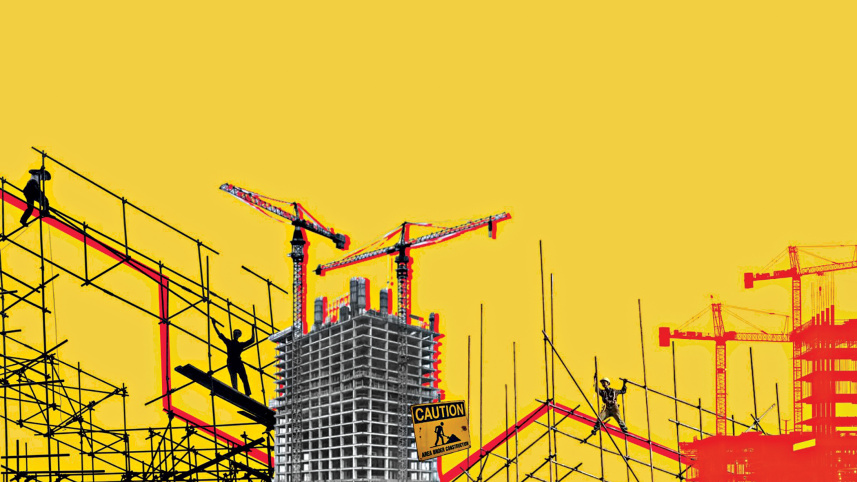
On 22 January, a 40-year-old man was standing beside a tea stall in Gulshan when a steel rod reportedly fell from an under-construction building and killed him. There was no warning, no protective net, no barrier separating the work above from the public space below. Just negligence and another life quietly added to a growing list of preventable deaths. The incident made headlines because Gulshan is not a remote worksite or an industrial zone; it is one of the most heavily policed, high-rent neighbourhoods in the country. Yet the risk that killed him is common across Dhaka and other fast-growing cities: falling construction debris hitting pedestrians on public roads.
This is not a new story. Months earlier, a 22-year-old garment worker died after a brick fell from a building under construction as she was heading to work in Jatrabari. Over the years, similar reports appear after every major construction boom: rods, bricks, concrete chunks, glass, tools, and loose materials tumbling down onto footpaths that are already narrow and crowded.

These deaths are often described as ‘accidents.’ But when the same type of incident keeps repeating, it is no longer an accident. It is a pattern. The bottleneck is that Bangladesh does not lack safety protocols for construction sites; it lacks compliance and monitoring.
A city expanding upwards, exposing those below
Dhaka is building vertically at an extraordinary pace. Old residential houses are being replaced with multi-storey apartments and commercial towers. Construction sites appear almost overnight and sit directly beside schools, markets, offices, and bus stops. In many neighbourhoods, pedestrians are routinely forced to walk inches away from active construction zones.
Footpaths are often encroached upon or unusable, forcing people closer to buildings under construction. Above them, workers move materials manually, stack bricks near open edges, and hoist steel rods several floors high. Without protective nets or overhead covers, any mistake or slip can turn deadly for someone passing below.
What the law actually requires
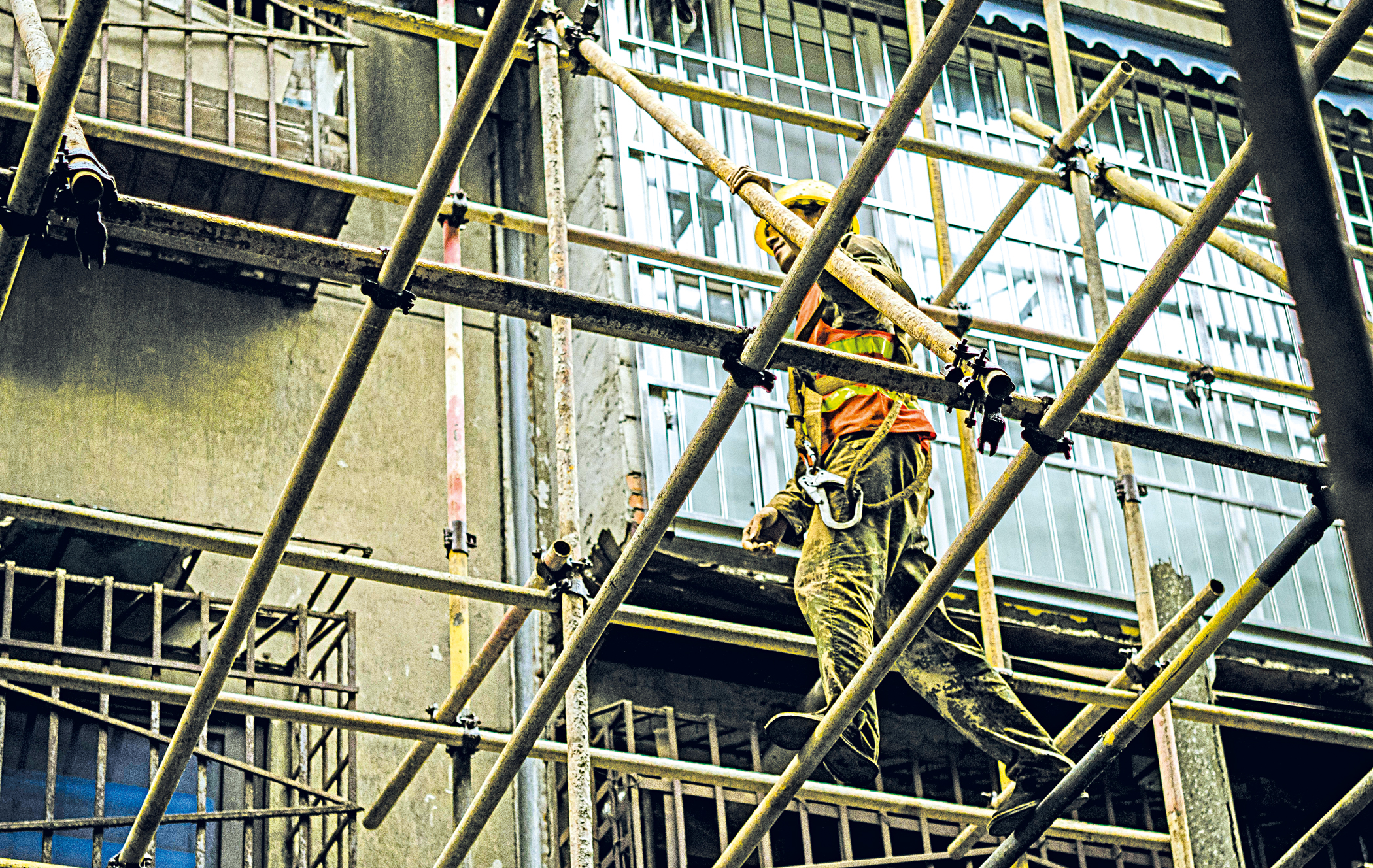
Bangladesh’s construction safety framework clearly anticipates these risks. The Bangladesh National Building Code (BNBC) includes provisions requiring construction sites to be enclosed with proper fencing when located near public spaces. It also specifies the use of protective netting around buildings under construction. The code further calls for warning signs, controlled work zones and safe methods of material handling and disposal.
In addition to the BNBC, legal accountability exists through other laws. The Building Construction Act provides authorities with enforcement powers over unsafe construction. The Penal Code allows for criminal liability when death occurs due to negligence. The Bangladesh Labour Act outlines safety responsibilities within construction sites as workplaces. Sadman Hasan, a road safety activitist reflecting on this matter says, “Construction work should not come at the cost of human lives. The lack of designated pedestrian paths and protective measures reflects a systemic failure in urban safety management,”
Why enforcement fails in practice
The persistent failure lies in enforcement. Oversight of construction sites is divided among multiple agencies, including planning authorities, city corporations, labour inspectors and law enforcement. This fragmented system often results in weak coordination and unclear accountability.
Inspections are irregular and frequently reactive, occurring only after a fatal incident has already taken place. When violations are found, penalties are often minor and inconsistently applied. Responsibility tends to fall on site-level workers, while developers, contractors and building owners, those with decision-making power, are rarely held accountable. There is also a strong economic incentive to ignore safety.
The hidden cost of human lives
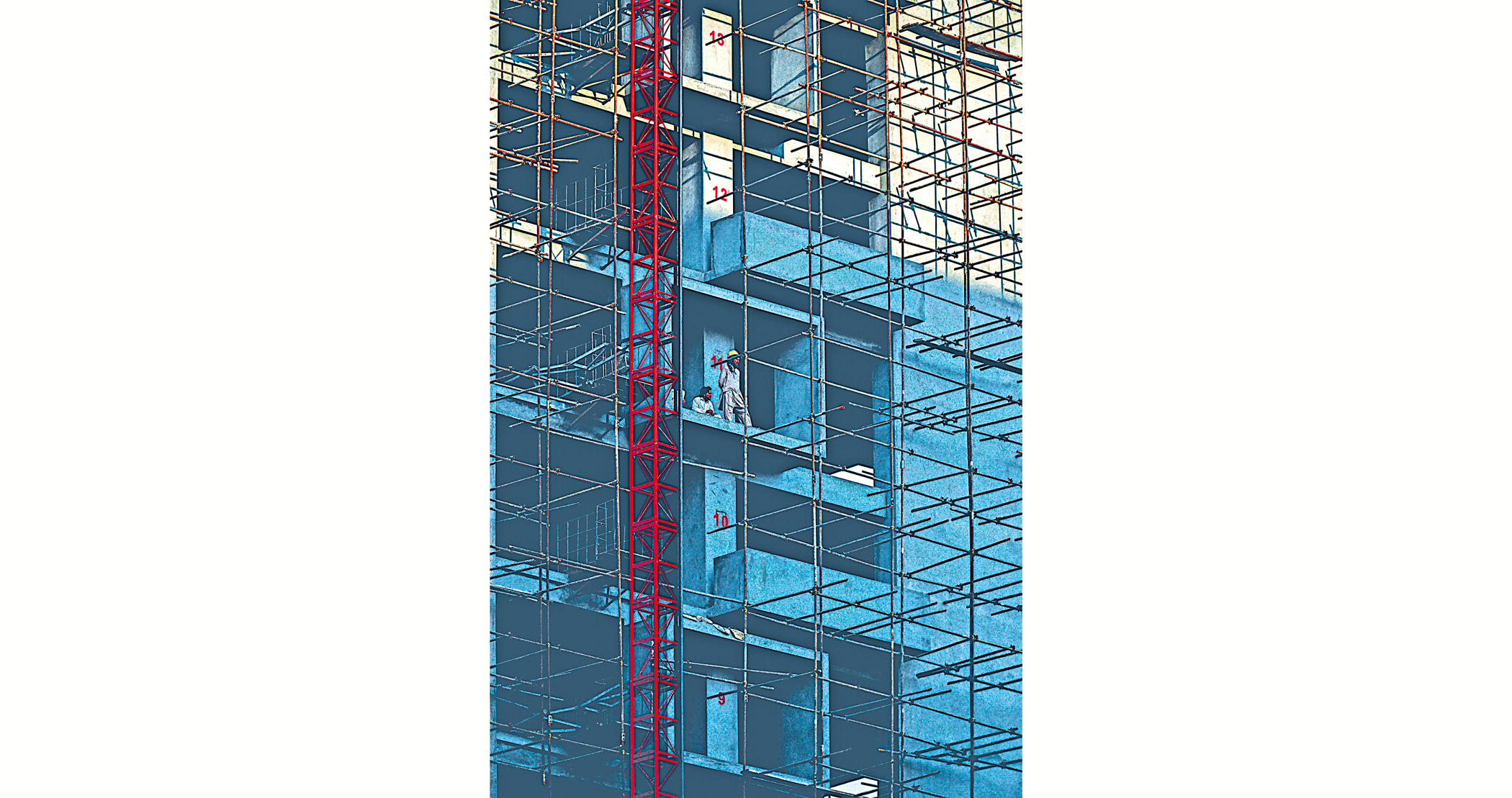
Behind every headline is a family left grieving. The victims are not construction workers who knowingly entered hazardous sites; they are pedestrians using public roads. Their deaths are sudden and deeply unjust. These incidents rarely result in long-term consequences for those responsible. Media attention fades, legal cases stall, and construction continues. For families, there is often little compensation and even less closure.
What real prevention would look like
Preventing these deaths does not require new laws; it requires seriousness. Pedestrian protection must be treated as a non-negotiable condition of construction permits. Before work begins, developers should be required to submit and implement site-specific safety plans that include fencing, netting, debris containment, and protected pedestrian corridors. Inspections must be frequent and empowered. Authorities should have clear stop-work powers when safety violations are found. Work stoppages create real consequences in a way that small fines do not. Finally, citizens should be able to report unsafe construction sites through a transparent system that triggers inspections. Public participation can act as an early warning mechanism before tragedy strikes.
 For all latest news, follow The Daily Star's Google News channel.
 A question of urban priorities
As Dhaka continues to grow, the question is not whether construction will continue, but whether pedestrian lives will be protected and treated as a priority in the process. Falling debris deaths are not freak accidents; they are predictable outcomes of neglect. Until safety rules are enforced properly and accountability reaches those who profit from construction, the danger will remain overhead. And the next falling brick or steel rod will not be an accident. It will be a failure we already knew how to prevent.
Comments