


Poor countries need 'comprehensive' debt relief: World Bank chief
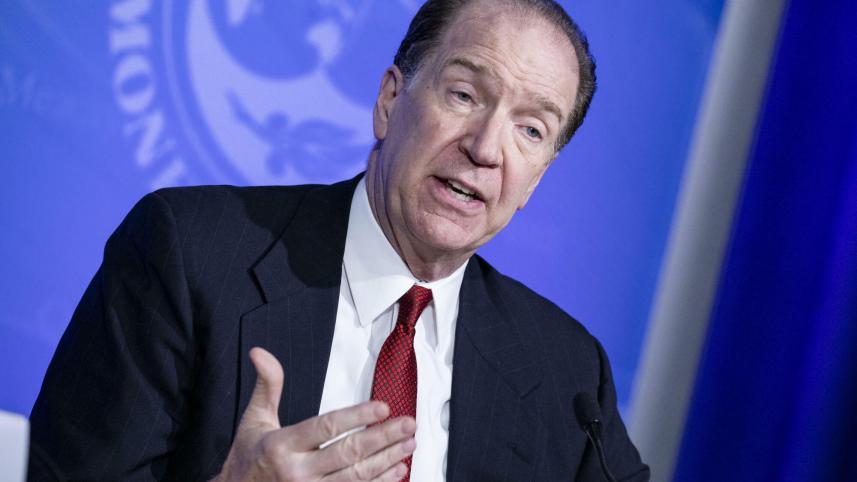
Debt loads in low-income countries surged 12 percent to a record $860 billion in 2020 amid the pandemic, prompting World Bank President David Malpass to call Monday for a "comprehensive plan" to deal with the issue.
"Sustainable debt levels are vital for economic recovery and poverty reduction," he said.
Efforts to combat Covid-19 exacerbated already-rising debt levels, and addressing the problem will require relief from lenders, Malpass said.
The situation is urgent since the Debt Service Suspension Initiative (DSSI) launched by G20 nations early last year, which allows countries to defer debt payments while battling Covid-19, expires at the end of 2021.
The DSSI "wasn't broad enough, but suspended some debt," Malpass told reporters, warning that given the challenge debt represents to poor nations, it may need to be extended.
"I think there should be consideration by the world of what to do after January 1. And a suspension is something that could be considered," he said.
The World Bank and IMF are holding their fall meetings this week in Washington, which will see some officials attend in person for the first time since 2019, though others will participate virtually.
Debt loads in low-income countries surged 12 percent to a record $860 billion in 2020 amid the pandemic, prompting World Bank President David Malpass to call Monday for a "comprehensive plan" to deal with the issue.
"Sustainable debt levels are vital for economic recovery and poverty reduction," he said.
Efforts to combat Covid-19 exacerbated already-rising debt levels, and addressing the problem will require relief from lenders, Malpass said.
The situation is urgent since the Debt Service Suspension Initiative (DSSI) launched by G20 nations early last year, which allows countries to defer debt payments while battling Covid-19, expires at the end of 2021.
The DSSI "wasn't broad enough, but suspended some debt," Malpass told reporters, warning that given the challenge debt represents to poor nations, it may need to be extended.
"I think there should be consideration by the world of what to do after January 1. And a suspension is something that could be considered," he said.
The World Bank and IMF are holding their fall meetings this week in Washington, which will see some officials attend in person for the first time since 2019, though others will participate virtually.
"The risk now is that too many countries will emerge from the Covid-19 crisis with a large debt overhang that could take years to manage," Malpass said in the report.
"We need a comprehensive approach to the debt problem, including debt reduction, swifter restructuring and improved transparency," he said.

 For all latest news, follow The Daily Star's Google News channel.
Comments