


Tech leads Asia losses, oil rises as rollercoaster week rumbles on
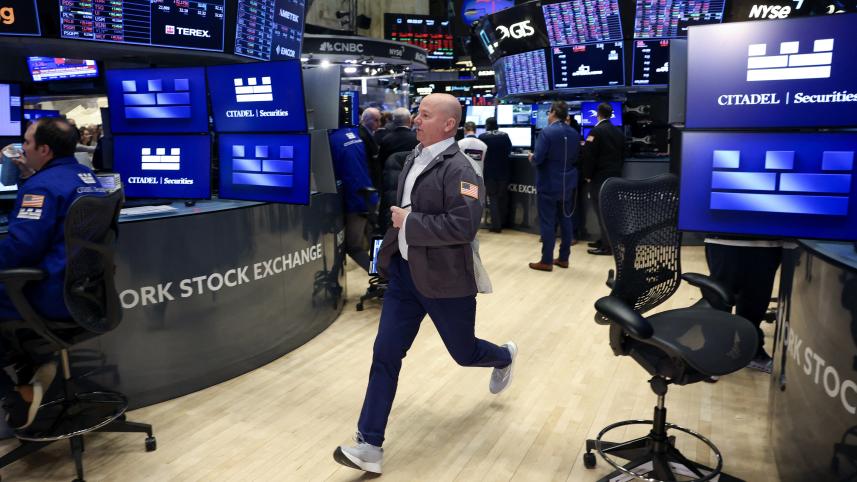
Stocks fell Wednesday to extend a rollercoaster week for markets, with tech firms once again bearing the brunt of the selling as investors fret over elevated prices and possible US interest rate hikes.
Worries over the Middle East crisis were also weighing on sentiment and pushing oil prices up after US and Iranian forces exchanged fire, just hours after Donald Trump said a peace deal to reopen the Strait of Hormuz was close.

After a blistering AI-centred, tech-led rally since March, traders have been on edge this month as they contemplate a possible US rate increase, with surging inflation caused by the spike in crude costs putting pressure on the Federal Reserve to act.
All eyes will be on the release later in the day of the crucial consumer price index, which is expected to come in at its highest level in more than three years.
That followed forecast-topping US jobs figures Friday that ramped up rate hike talk.
However, the US president -- who lambasted Fed chair Kevin Warsh's predecessor for not cutting enough -- said earlier this month that he would "like to see lower interest rates" but that he would "let Kevin make that decision".
The prospect of higher borrowing costs has hurt the tech industry in particular as they dent consumer spending while firms also rely on debt to power innovation.
Analysts said the tech sell-off was part of a shift by investors into other sectors. Out of 11 sectors in the S&P 500, only tech and energy fell Tuesday, while the other nine advanced.
The Nasdaq and S&P 500 -- which have hit multiple record highs this year -- both ended down while the broader Dow edged up.
Investors are also battling worries about extended valuations of firms -- South Korean chip firm SK hynix has soared 220 percent this year alone -- and questions when they will see a return on the vast sums that have been pumped into AI in recent years.
"Exuberance has been building for months, pushing stocks to one record after the next," said John Cunnison at Baker Boyer Bank.
"So anything perceived to be negative for equities, from higher inflation to even the potential for rate hikes, will knock the market off its footing after a historic run."
Tech-heavy Asian markets were in the red, with Seoul -- the poster child of the region's surge this year -- down more than three percent.
The Kospi swung more than eight percent in either direction on Monday and Tuesday following the US jobs figures.
Tokyo and Taipei were also well down, with Hong Kong, Shanghai, Singapore and Wellington also down. Manila and Sydney rose.
Jakarta also gained as the rupiah strengthened following a surprise rate hike by the Indonesian central bank.
Fears over a resurgence of the Middle East crisis added to trader anxieties after US forces struck sites in Iran in response to the downing of a helicopter on Monday, sparking a retaliatory attack on US bases in Bahrain and Jordan.
Trump said the United States would respond "in a strong manner" after "what they did with our helicopter last night", in a telephone interview with ABC News.
The attacks came after the president had said negotiations to end the war were in their final stages -- a claim he has made repeatedly in the past few weeks.
Crude jumped one percent Wednesday amid dimming prospects of a deal to reopen the Strait of Hormuz, through which a fifth of world oil passes. They had fallen as much as five percent at one point Tuesday on optimism a deal would be struck.
 For all latest news, follow The Daily Star's Google News channel.
Comments