


First salary, first Eid
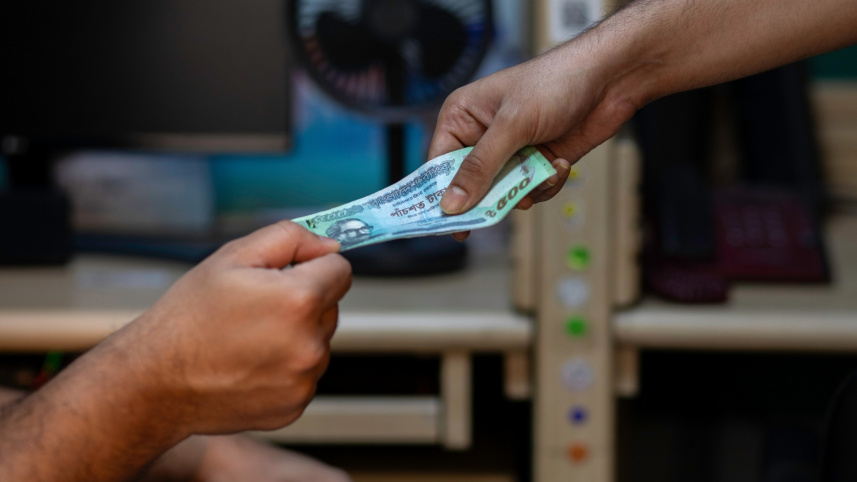
Ramadan teaches us patience and kindness in the face of temptation and brings with it the joy of Eid-ul-Fitr. For young people stepping into the workforce, however, the holy month, as well as the Eid celebrations that follow, carries a different weight. Gone is the warmth of university friendships and the comfort of a familiar routine. It is instead replaced by an office, a new identity, and the quiet demands of adulthood.
So, how does it feel to experience Ramadan in this unfamiliar skin?

Wajih Tausif, a management trainee at Nestle, points out how this Ramadan came with a lot more responsibilities compared to his carefree university days. “Back in university, I could stay up till sehri and then wake up after 12,” says Tausif. “Now, I have to wake up early for work and don't have nearly as much free time. Besides, I am currently living by myself away from my family, so I also had to make iftar and sehri by myself this year, which felt troublesome. All in all, I was a lot busier.”
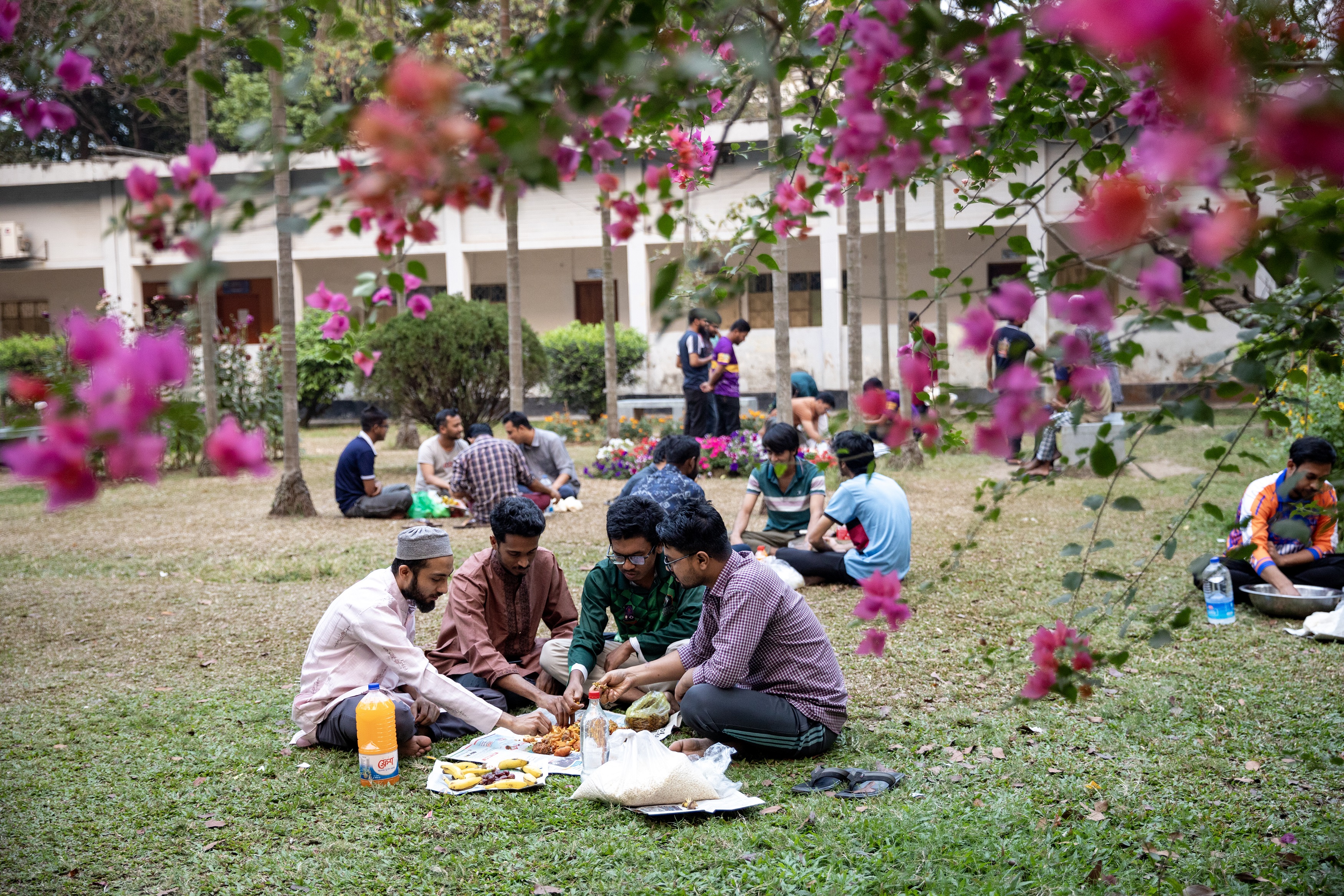
Tausif’s reflection highlights the growing demand for routine as young people transition to their professional life and how these demands become more pronounced during Ramadan. Beyond the challenges of adjusting to a stricter routine, young professionals in Dhaka must also contend with the city’s relentless traffic during Ramadan. Dhaka is notorious for its traffic. In Ramadan, this problem further intensifies, which was clearly visible this year.
Unlike university classes, where one might have gotten away with being late, in the workplace, this becomes impossible due to professional expectations. Regarding this, Samiha Binte Kibria, a management trainee at City Bank, says, “It's been quite different as I seldom had classes during Ramadan, but this year, I had to attend the office every day. I cannot skip a day at the office as I used to at university. The Dhaka traffic after office hours feels unbearable. Many even had to break our fasts on the road. Even though the Ramadan office timing is shorter, the days feel more exhausting. The lethargy is also there, and we all feel less productive.”
However, office demands might also end up taking away your personal time with faith. “When I was a student, I had more time and energy to focus on ibadah,” says Fariha Shahin, an HR intern at BRAC International. “I was less tired back then. Now, after work, I usually feel exhausted and only have enough energy to sleep, which leaves me with less time for ibadah.”
In spite of all these challenges, nothing stops these young people from being optimistic about earning for the first time and, more importantly, after Ramadan, the prospect of giving Eid gifts.
Tanvir Jawad, an artificial intelligence quality assurance specialist at Augmedix, felt motivated about the prospect of purchasing gifts for his close ones. “I got my first proper paycheck last month, and I have been thinking of buying nice Eid gifts for my parents, siblings, and even surprise my cousins this year,” he says. “It’s a new kind of responsibility, but it feels good – like proud-good. I grew up seeing my parents handle everything, so being able to chip in and treat them makes me feel like I am finally pulling my weight. I am a bit nervous too, because I don’t want to mess up the budget, but it’s motivating mostly.”
Expounding on the Eid gift, Samiha brings an important point of finding one’s own maturity. She explains, “I love to bring presents for my family. I don't even see it as a responsibility because it's something I genuinely want to do anyway. Once, I used to think that earning independently would be a different experience, spending extravagantly on myself, fulfilling my wishes, and so on. But now that I am actually earning, I don't really buy things for myself. Most of my money is spent on hangouts with my loved ones, groceries for my home, and presents for friends and family”.
In many ways, the first Ramadan and Eid as a working adult seems like a proper ascension to adulthood. The carefree flexibility of university days starts to fade while we adjust to a more disciplined office schedule, long commutes, and the responsibility of consistently balancing work and personal life. Yet, within these new challenges lies a different kind of fulfilment. The ability to contribute to one’s family and buy gifts for loved ones during festivals with one’s own earnings brings a kind of fulfilment that cannot be found in any other way.
Ramadan and Eid in adulthood may be more demanding, but the experience is also richer with meaning, maturity, and a growing sense of belonging in the world.
Fariha Lamisa is an immature adult who is barely surviving in an apocalyptic world. Send her your well-meaning consolation via flamisa2020@gmail.com
 For all latest news, follow The Daily Star's Google News channel.
Comments