


Words of wisdom for aspiring boxers
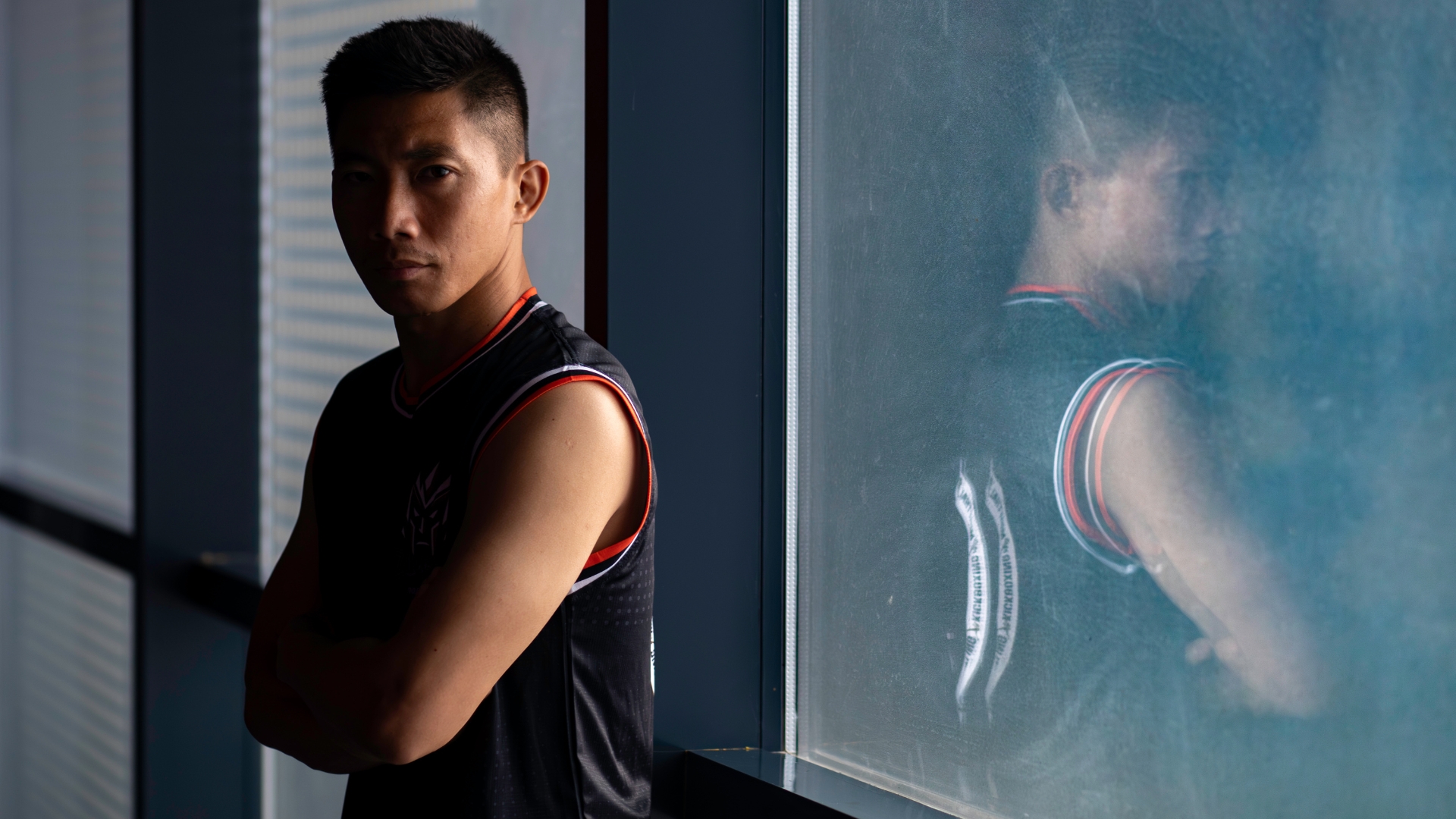
Sura Krishna Chakma’s journey began in 2006, when a boxing trial at the Rangamati Mari Stadium gave him the opportunity to enrol at the Bangladesh Krira Shikkha Protishtan (BKSP). He then competed for the first time the following year, at the 2007 Intermediate Boxing Championship, where he won a silver medal.
From there, Sura Krishna went on to compete in several tournaments held on national occasions, including Victory Day and Independence Day boxing events, taking home gold medals along the way. A major milestone came in 2013, when he won gold in the senior category at the Bangladesh Games, which earned him a place in the national team that same year. In 2014, he travelled to Glasgow, Scotland, to compete in the Commonwealth Games – his first opportunity to represent Bangladesh on an international stage.

Campus sat down with Sura Krishna to learn a bit more about his journey and what he has to say to aspiring boxers in Bangladesh.
Campus (C): Can you tell us a little about your accomplishments in your boxing career so far?
Sura Krishna (S): On the domestic front, I have been the unbeaten national amateur champion since 2013. Every time I have competed nationally, I have won. On the professional side, my story begins earlier than most people realise. While professional boxing only came to Bangladesh in 2022, I had already turned professional in 2018, competing in India. That makes me the first professional boxer from Bangladesh, according to BoxRec. I have fought ten professional bouts to date, winning eight.
Among those fights, the standout achievement is winning the Asian Boxing Federation (ABF) – the Asian belt – title in 2023. I also earned a bronze medal at the 2019 South Asian Games in Nepal.
C: Why do you think people are drawn to boxing?
S: Boxing isn't for everyone, but many people are naturally inclined toward it, and enjoy watching it even more. You can see this beyond just sports: action films are hugely popular in Bangladesh, and people from all walks of life watch and enjoy them. That same appetite for watching people compete physically is what I think draws people to boxing and combat sports, in general, even in a country where a strong culture around these sports hasn't fully taken shape yet.
C: You continued boxing alongside your studies. What would your advice be to aspiring boxers who, currently, are students themselves?
S: I studied at BKSP, where boxing and academics went hand in hand from the start. That balance was built into my life early on. For university students hoping to pursue boxing alongside their studies, it's likely to be a tougher road, simply because most won't have come into it with prior experience in the sport.
For those who want to start young, two things are essential: determination and a good coach. If your goal is to pursue boxing seriously while keeping up with your education, I strongly recommend beginning under a coach who can guide you through the fundamentals properly. Master the basics first, and from there, you'll gradually begin to understand just how far you're capable of going.
C: For an aspiring Bangladeshi boxer, could you walk us through the local boxing scene?
S: The facilities available to aspiring boxers today are significantly better than they used to be. In the past, trained coaches were found almost exclusively at BKSP. But with professional boxing taking root in Bangladesh, qualified trainers are now available outside of BKSP as well.
Many BKSP graduates are even launching their own coaching careers, partly to improve their own livelihoods, and this growth has opened up new income streams across the sector.
That said, limitations remain. If we want to compete seriously at the international level, we need to adopt the methods that the rest of the world is using. We have coaches, but they need to become more skilled. Even our amateur coaches, capable as they are, need to keep developing, because great players aren't built on good intentions alone.
Pulling a training routine off the internet without understanding the science behind it is not just ineffective; it can be actively harmful. Without that foundational knowledge, you risk overtraining your athletes, causing fatigue, and leading to injuries that could seriously set them back.
C: You also run a boxing academy in Rangamati. Could you tell us a bit about that?
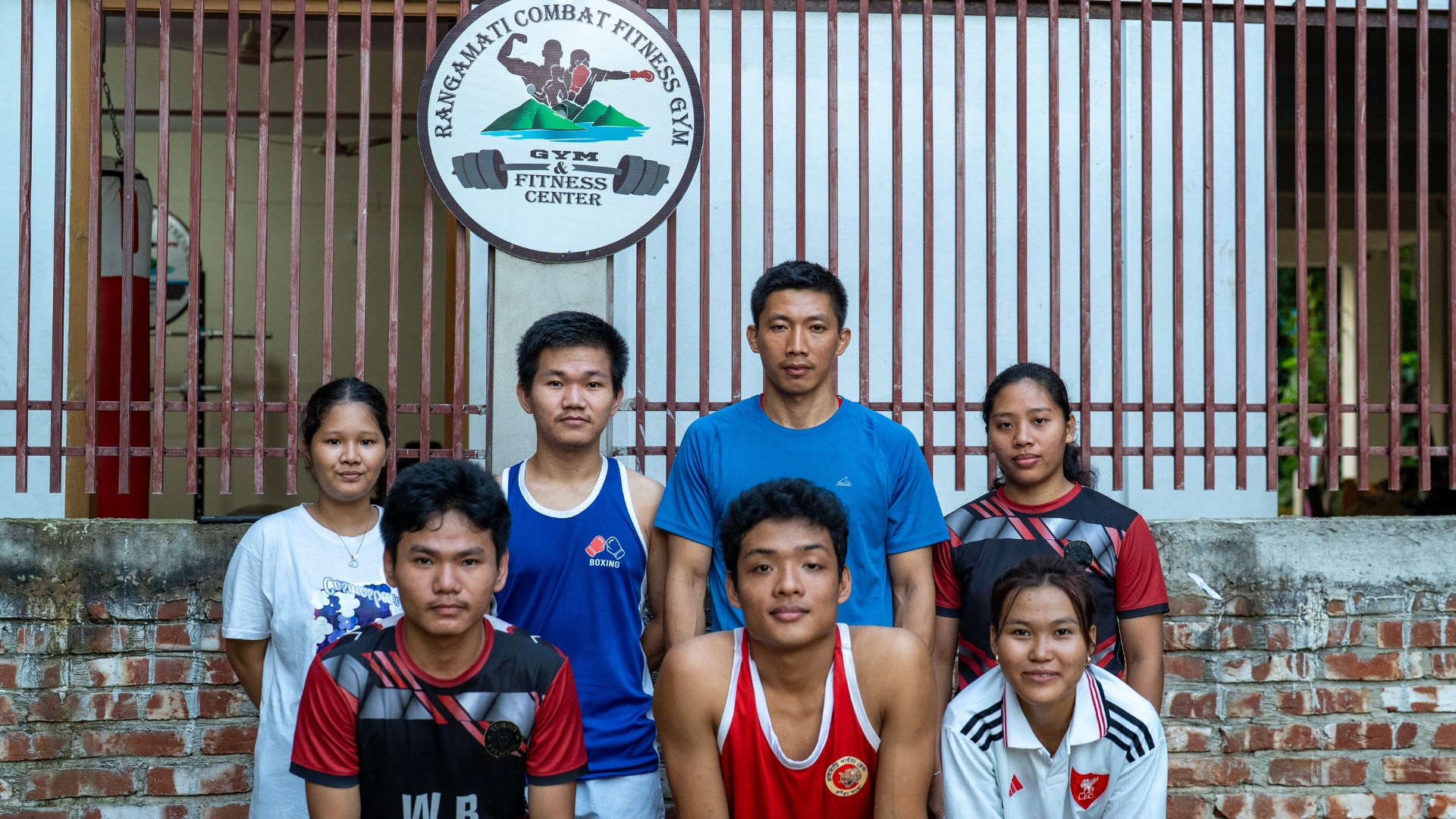
S: The academy's journey began after Covid, when I noticed a growing interest in boxing among people in the community. Many see boxing as nothing more than fighting, but I wanted to show those drawn to the sport what it truly involves. So, I simply started training anyone who came to me with a genuine interest, building them up from the ground up.
 For all latest news, follow The Daily Star's Google News channel.
 It started with a small group in Rangamati. Without a gym, we made do with whatever space we could find, like open fields and the Rangamati Mari Stadium, and when I went on my morning runs, I brought them along. Training happened wherever we could make it happen.
But as more people expressed interest, it became clear that outdoor sessions weren't enough. We needed a proper space with real facilities to train seriously. By then, my group had grown to eight to ten people, and I could see the potential – these players could go on to do something great. That belief is what pushed me to establish the gym, which officially opened in early 2025, around March or April.
C: Do you have any words of wisdom for aspiring boxers who are looking to wave the Bangladeshi flag in the international scene?
S: For anyone who dreams of representing our country on the international stage, my message is simple: there is no substitute for hard work. Hard work and discipline are the two pillars of boxing. Without them, nothing is possible. Luck doesn't exist in this sport, but if you put in the work, stay dedicated, and train under the right coach, everything else will follow.
The first step, though, is building the right mindset. You have to dare to dream big, whether that's becoming a world champion or standing on the Olympic podium. If you can't picture yourself reaching those heights, you won't get there. In my view, it all starts from within: build your mindset, build your determination, and success will take care of itself.
Education / A Bangladeshi photojournalist's Chevening journey
Interviews / Dr Arifin Sandhi on building Bangladesh's environmental future
Interviews / IDP's Razib Mahbubul on making smarter study-abroad decisions
Interviews / From Diana Award to Forbes 30 Under 30: Nafira's social impact journey
Interviews / How Team Six Seven made Bangladesh proud in Hong Kong
Interviews / Dr Hamidul Huq on sustainable development and eight years of ICSD
IUB valedictorian Sajid on self-belief and success
How Bangladeshi universities can adapt to a changing world

Life and leadership are about trade-offs: SOAS VC
