The psychological anatomy of becoming a doctor
Trigger warning: The following article contains mentions of self-harm and suicide
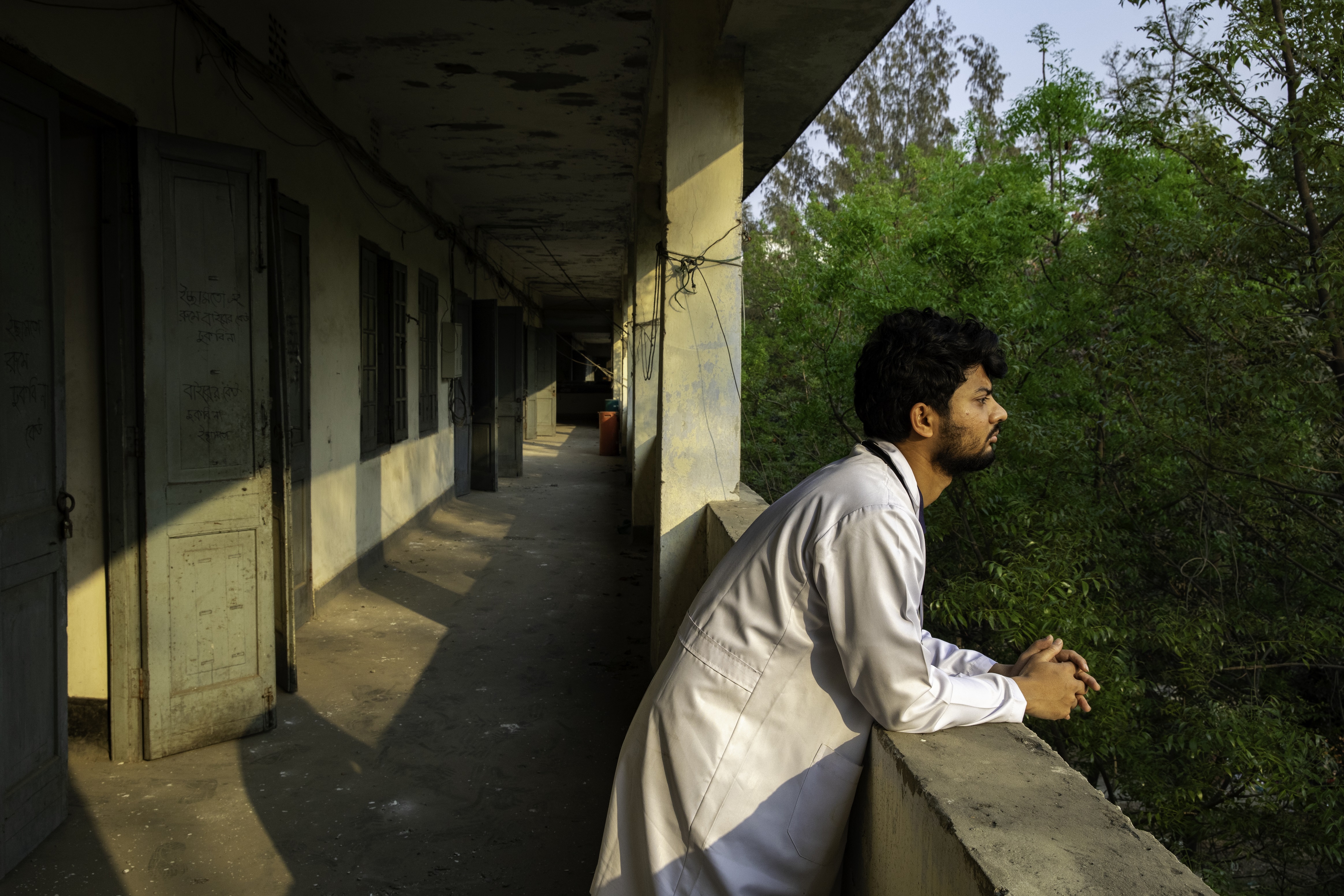
On the first day of medical college, the white apron feels almost ceremonial. It is worn with quiet pride, reverence, and the awareness that it symbolises years of sacrifice. It represents discipline, prestige, and the fulfilment of a long-held dream.

Yet, beneath that white apron, many first-year medical students carry something less visible – uncertainty, emotional strain, and the heavy burden of a psychological reality they were never fully prepared for. For some, this burden is silent, experienced in moments alone in a dormitory or library, away from anyone who might notice.
The transition from high school to medical college is not merely about academics but also about existence. Students must renegotiate their identity, recalibrate daily routines, and sustain their emotional equilibrium in an environment defined by relentless evaluation and comparison. For many, this occurs while living away from home, often for the first time in their lives, disconnected from familiar emotional anchors. The volume of information, combined with new social hierarchies and expectations, can make the first year feel destabilising, even for those who once excelled effortlessly. The emotional weight of this transition often coincides with a sudden realisation that personal coping mechanisms may no longer suffice.
A study conducted among medical students in Bangladesh found that over half of the participating students experienced moderate to severe depression. Academic stress, maladaptive coping strategies, and various sociodemographic and behavioural factors were key predictors of depression. For psychiatrists working closely with this population, these findings confirm a pattern that is often preventable yet rarely addressed.
Dr Md Waliul Hasnat Sajib, Associate Professor and Head of the Department of Psychiatry at Tangail Medical College, explains that the first year represents a period of acute psychological vulnerability.
“The first year is marked by profound psychosocial adjustment,” he says. “Students are often living independently for the first time, adapting to hostel life, and navigating a far more demanding academic structure. Many struggle with time management, attentional control, and emotional regulation. When these adjustment demands accumulate without adequate coping strategies, they significantly increase psychological distress. Sadly, this distress sometimes escalates to self-harm or suicidal ideation. Suicide rates among medical students are notably higher than in the general population, underscoring the urgency of early intervention.”
Dr Sajib adds that this is compounded by the cumulative nature of stress, where even small setbacks can trigger disproportionate emotional reactions. He emphasises that institutional support can make a crucial difference: “Some medical colleges have well-established student support centres where counselling and mental health services are accessible. In those institutions, students have a structured avenue for early intervention, which can prevent psychological problems from escalating. Unfortunately, in other colleges, such facilities are absent, and students must navigate these challenges alone.”
According to Dr Sajib, awareness campaigns and peer-support networks within colleges can also play a critical role in reducing stigma and encouraging early help-seeking.
For students whose identities were anchored in prior academic success, medical college introduces a destabilising reality: excellence is no longer guaranteed. Before entering Dhaka Medical College, Nafisa Wadud Nuha believed that her passion would sustain her. She had anticipated pressure but had not foreseen its emotional intensity.
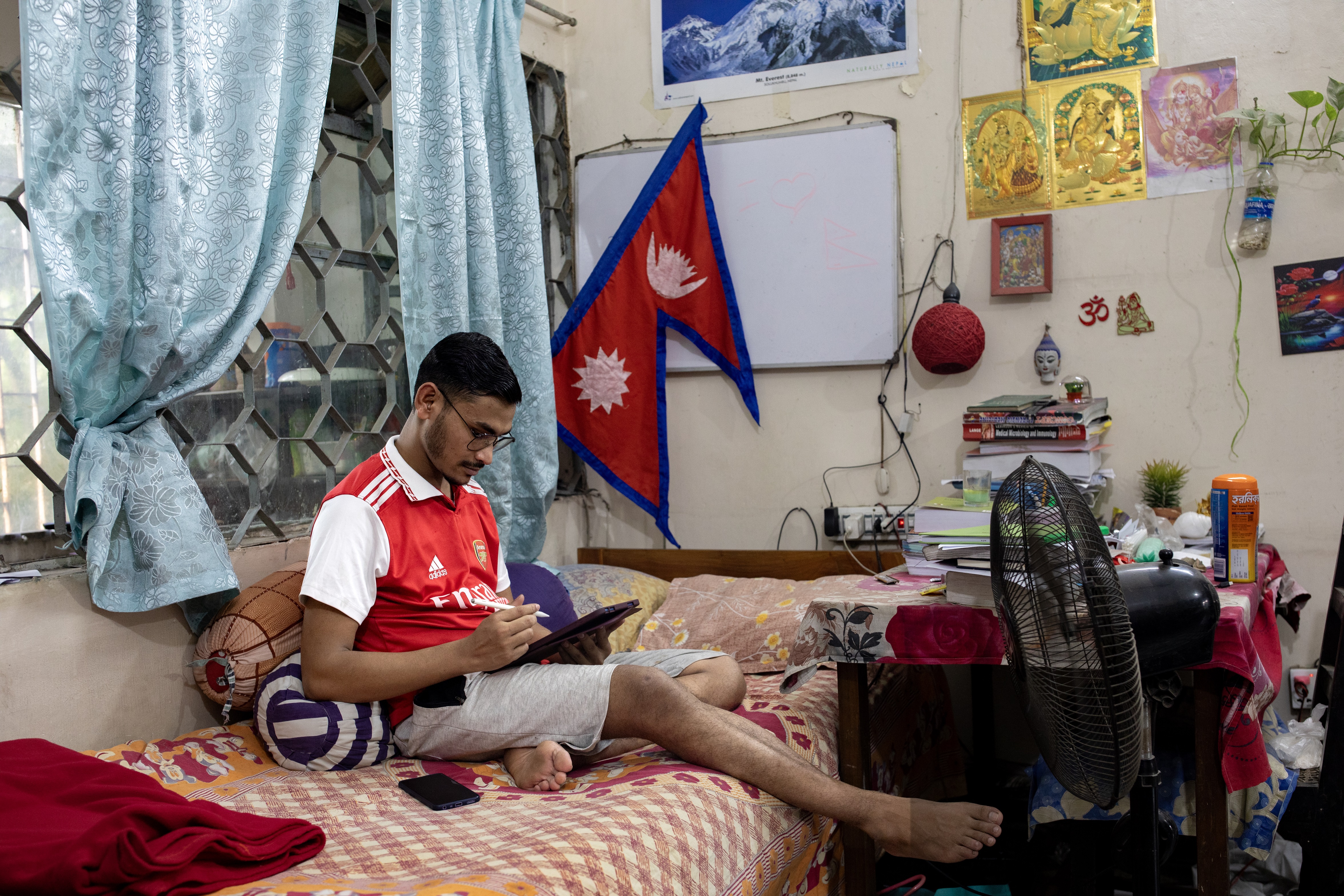
“I had always dreamed of studying medicine, and I believed that would give me the strength to endure the pressure,” says Nuha. “But within the first two weeks, I realised how different the reality was from what I had imagined.”
Nuha says that this initial confrontation with reality forced her to reconsider her strategies for study, rest, and emotional regulation. The turning point arrived as her first term approached: “When I attempted to organise my studies, the sheer volume of material overwhelmed me. I became so anxious that I cried, and I struggled to concentrate effectively for days afterwards.”
This cognitive and emotional overload is common among high-achieving students who suddenly find themselves in a competitive environment. Their identities, once reinforced by unbroken success, face an unfamiliar challenge. Many describe this period as a trial by fire, where resilience is tested more than intellect.
Dr Sajib notes the systemic pressure embedded in medical education. “Medical colleges are inherently competitive ecosystems. Students are constantly exposed to social comparison, which can trigger imposter syndrome, performance anxiety, and diminished self-efficacy. Exposure to hostile peer dynamics, including bullying, can further exacerbate emotional strain.”
For Susmita Toppo of Shaheed M. Monsur Ali Medical College, Sirajganj, the shift was deeply personal and culturally layered.
“When I received my early academic results, they were lower than I expected, and I felt my confidence diminish,” she says. “My family had placed high expectations on me, and I often felt I was not living up to them. Adjusting to the campus environment, where traditions and routines differ from what I was used to, added another layer of challenge. Opportunities to engage in familiar cultural or social practices were limited, which sometimes left me feeling isolated.”
Yet interpersonal support provided a lifeline.
“My friends and seniors were incredibly supportive,” Toppo adds. “They reassured me that setbacks were part of the process. Without their encouragement, I would have struggled to navigate that period.”
 For all latest news, follow The Daily Star's Google News channel.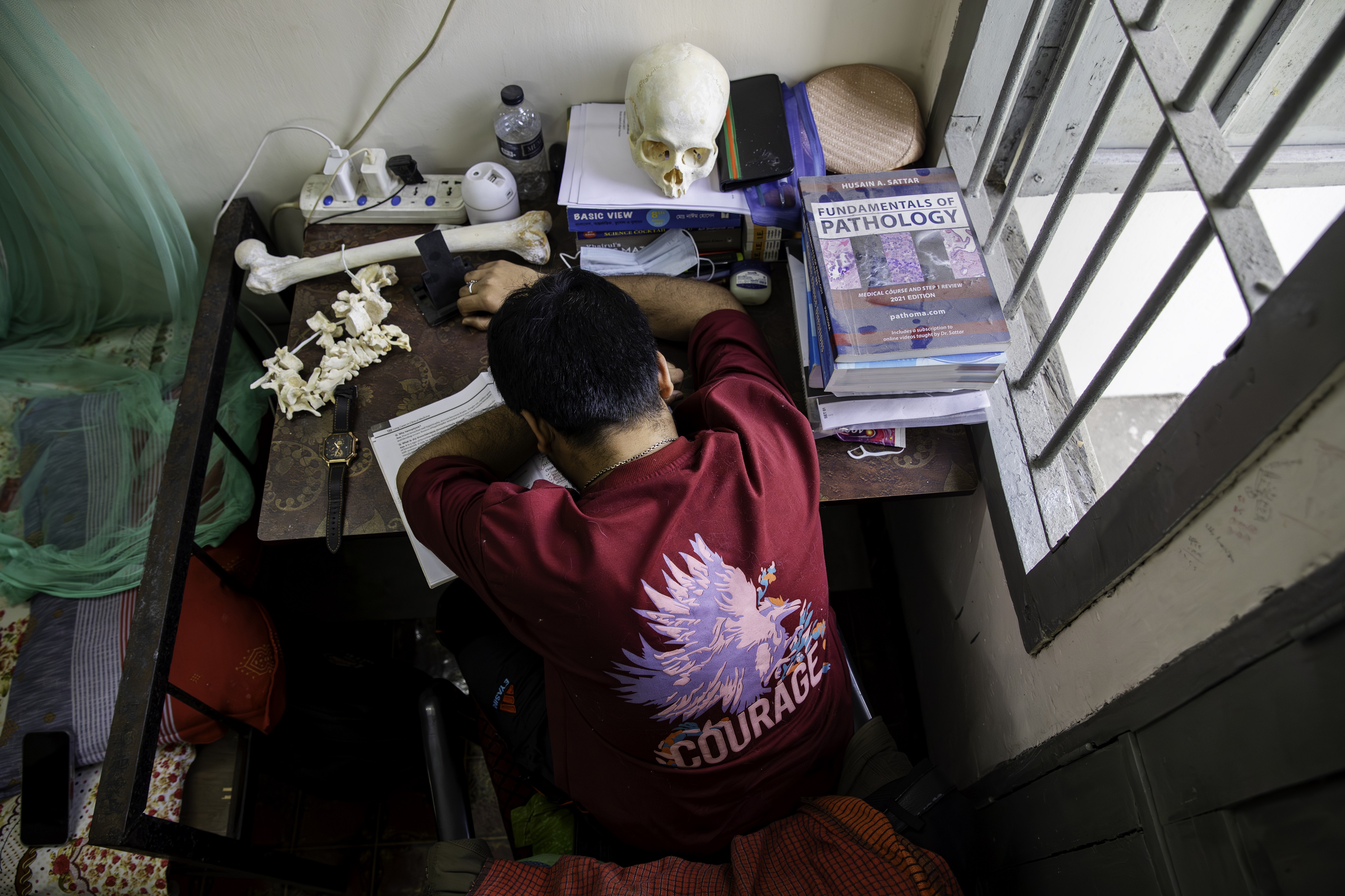
The presence of empathetic peers offered Toppo not just guidance but validation, reminding her that emotional struggle is a shared experience rather than personal failure.
Relocation compounds these challenges. Shahrin Anziz, a student at Sher-e-Bangla Medical College, moved from Chattogram to Barishal. “The transition was not only academic but psychological,” she says. “Being away from my family and familiar surroundings made stressful moments feel more isolating. I worried about safety, felt disconnected from peers initially, and had to adjust entirely to a new lifestyle. Over time, I adapted, but the first months were marked by significant emotional strain.”
Even when support exists, stigma often prevents students from seeking professional help.
“There remains pervasive stigma surrounding mental health care,” Dr Sajib explains. “Students often internalise the misconception that seeking psychological support signifies weakness or pathology. This leads to delayed help-seeking, allowing distress to escalate unnecessarily. Untreated psychological stress can manifest as depression, anxiety, substance dependence, and burnout. Early recognition and intervention are essential.”
Physiological consequences of sustained stress are equally concerning.
“Chronic stress leads to activation of the hypothalamic-pituitary-adrenal axis and elevated cortisol levels,” Dr Sajib continues. “This neuroendocrine dysregulation impairs emotional regulation, cognitive function, and overall well-being. First-year students are particularly vulnerable because they often do not seek help when it is needed most.”
Long-term, this stress can leave lasting imprints on cognitive processing and emotional resilience if unaddressed.
Anatomy represents one of the first tangible confrontations with the human body and mortality. For many students, the dissection hall is a crucible of emotional as well as intellectual challenge.
Mahdia Binte Nasar, a student at Shaheed M. Monsur Ali Medical College, Sirajganj, entered medical college with aspirations of balance and personal growth. She imagined maintaining her energy and pursuing personal interests, but the reality proved far more consuming. “The academic demands drained my energy and motivation. One week during my anatomy term felt overwhelming; I thought I could not finish the syllabus. The pressure weighed on my body, mind, and heart. Yet completing the exam, even without excelling, felt like a meaningful achievement,” she says.
Her experience in the dissection hall was emotionally complex: “I did not feel fear, but I felt gratitude. The cadaver was not just an educational tool; it was a human life that had contributed to my learning. That awareness instilled a deep sense of responsibility and respect for the profession I had chosen.”
Such experiences often catalyse the first nuanced understanding of the ethical and human dimensions of medicine.
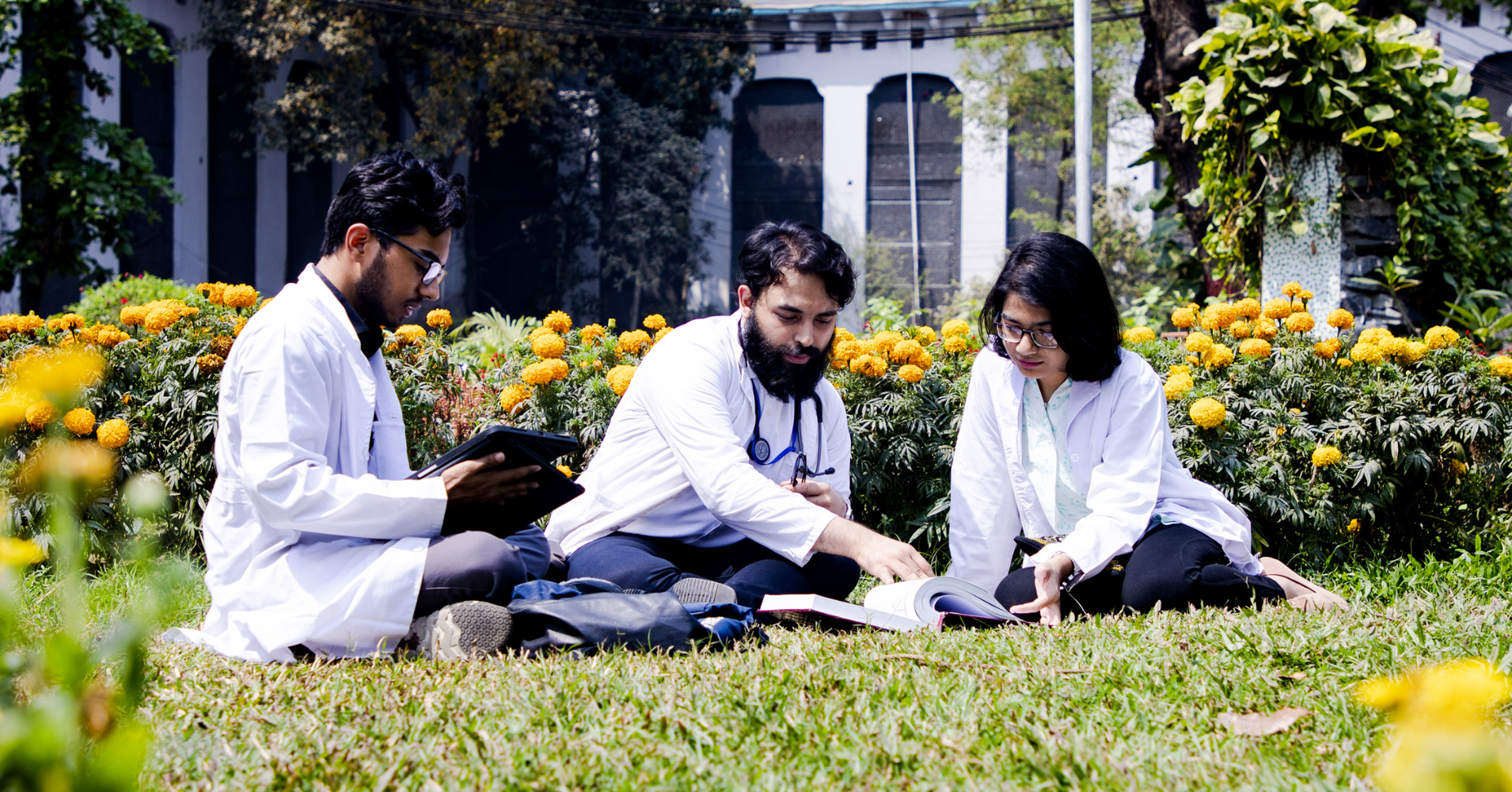
Students in private medical colleges encounter similar academic pressures, often accompanied by societal misconceptions. Khandakar Sidratul Muntaha Shaily of Uttara Adhunik Medical College emphasises the parity of academic rigour.
“The pressure from extensive syllabi, frequent assessments, and evaluations is identical across institutions. Misconceptions that private medical students are less capable can discourage students and affect confidence, even though the standards remain high,” she says. Shaily adds that resilience is cultivated through navigating these misconceptions in formal learning.
Support from peers and family emerges as one of the strongest protective factors. For Nuha, friendships formed during medical college were critical. Shared experiences fostered solidarity that mitigated isolation. Toppo credits her roommates and seniors for helping her reinterpret setbacks as part of the learning journey rather than personal failure. Shaily recalls the emotional reassurance from her parents and close friends, even as academic challenges persisted. These networks often become a psychological safety net, buffering the impact of stressors that might otherwise feel insurmountable.
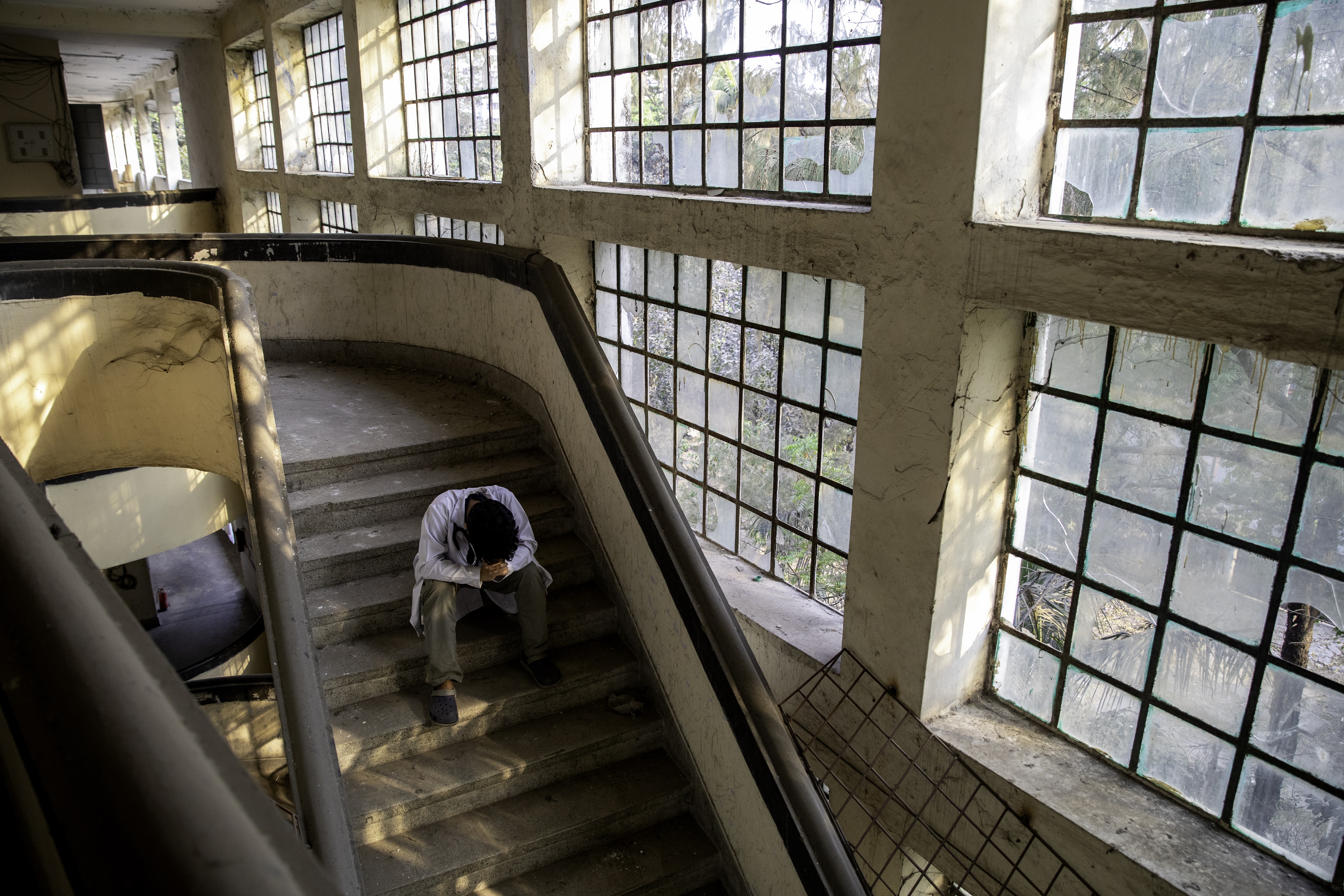
For others, coping strategies are highly personal. Nasar relied on discipline and incremental progress when motivation faltered. Prayer provided additional emotional grounding, creating stability amidst uncertainty. Even simple routines, such as short daily reflections or scheduled breaks, can significantly reduce stress and improve focus.
Yet individual strategies cannot replace systemic intervention. Dr Sajib emphasises the need for a structured mental health infrastructure within medical colleges: “Institutions with counselling services, student support centres, and proactive mental health programmes see markedly better student outcomes. Early intervention is critical for preventing long-term psychological morbidity.”
Dr Sajib underscores that student support centres are not just therapeutic spaces. They are crucial for teaching stress management, resilience, and adaptive coping strategies that sustain students throughout their careers.
The first year of medical college does not merely teach anatomy, physiology, or biochemistry. It teaches emotional endurance. It teaches students to exist within discomfort, to renegotiate their identity, and to persist within systems that demand more than intellectual effort alone. Over time, the white apron loses its ceremonial weight and becomes something heavier.
It becomes a symbol not only of knowledge, but of survival. It represents a journey through vulnerability, the cultivation of resilience, and the first steps toward becoming not just a doctor, but a self-aware, empathetic professional capable of enduring both the rigour and the moral complexity of medicine.
Reference:
International Journal of Adolescent Medicine and Health Volume 38 Issue 1 (December 16, 2025). Depression among medical students and the role of academic stress and coping strategies: A cross-sectional study in Bangladesh.
Purna is a fourth-year medical student at Shaheed M. Monsur Ali Medical College, Sirajganj. Reach out to her at ahnafpurna@gmail.com

Interviews / In conversation with three O and A level top performers

Press Release / East West University celebrates Nazrul Year and Freshers’ Reception for Fall Semester

Press Release / APUB delegation pays courtesy call on President
Classroom crunch disrupts academic activities at KU
Press Release / NSU VC delivers keynote at Future Investment Conference 2026 in China

Reflections / The dilemma of choosing a path after HSC
Career / What it takes to freelance today
CU students protest higher viva marks in govt job recruitment
Press Release / The IB Diploma Programme: Preparing global citizens