Towards a green future
From April 11 to 12, the Institute of Development Studies and Sustainability (IDSS) at United International University (UIU) hosted the 8th International Conference on Sustainable Development (UIU-ICSD 2026) at the UIU campus.
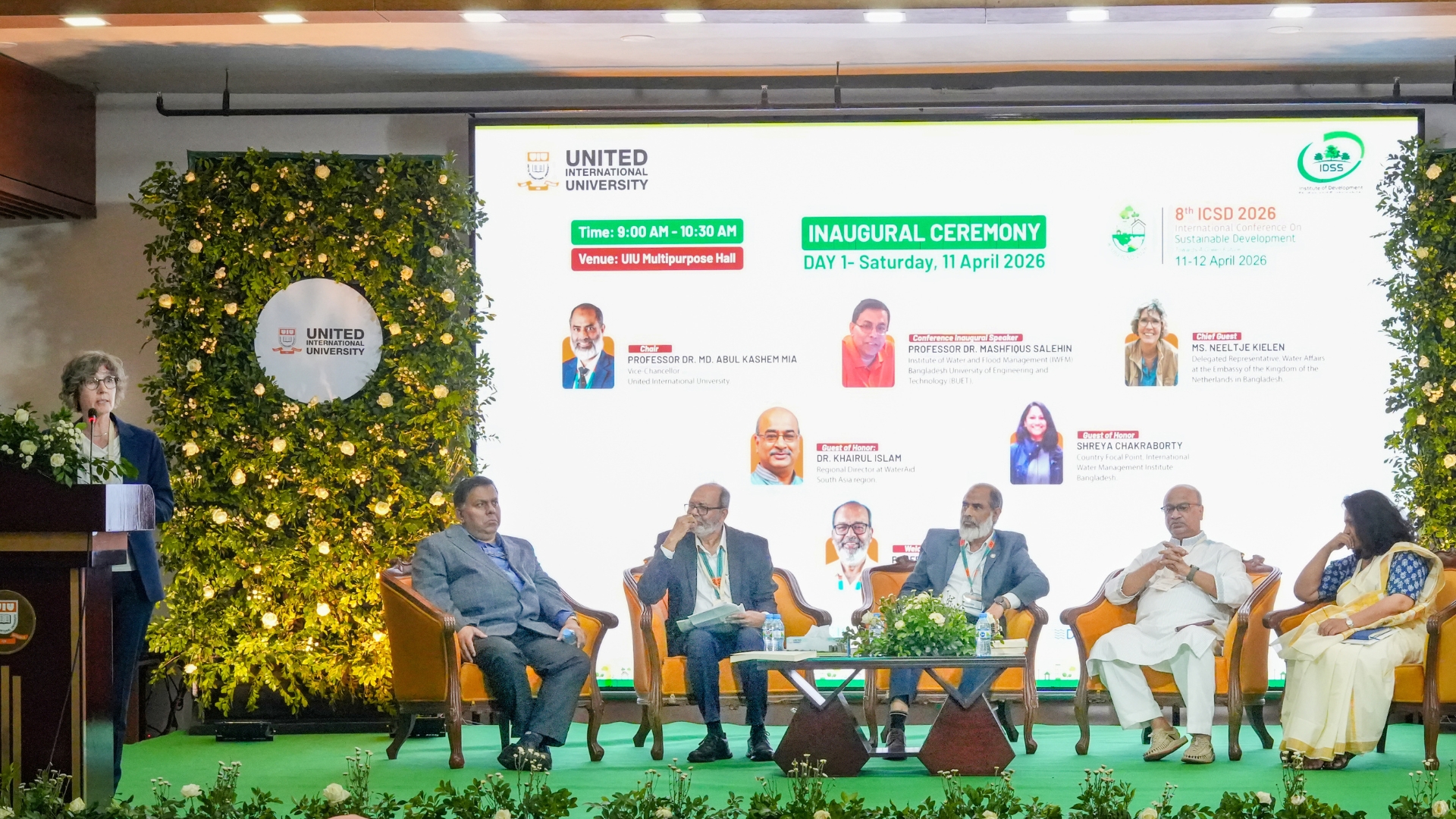

Centred around eight key themes—education for sustainable development; poverty alleviation and sustainable livelihoods; sustainable agriculture and food security; energy transition; sustainable cities; waste management and circular economy; water, coastal, and delta governance; and climate change and adaptation—the conference aimed to address the critical gap between knowledge generation and SDG implementation. Special emphasis was placed on water, coastal, and delta governance, aligning with the “Bangladesh Delta Plan 2100”.
UIU-ICSD 2026 received about 550 research papers from Canada, the UK, the Netherlands, India, Nepal, the Philippines, and Bangladesh. Around 365 research papers were selected for presentation. The conference provided an inclusive platform for researchers, policymakers, and practitioners to strengthen the science–policy–practice interface through keynote sessions, panels, and interdisciplinary dialogue, fostering evidence-based solutions for sustainability transitions in Bangladesh and globally.
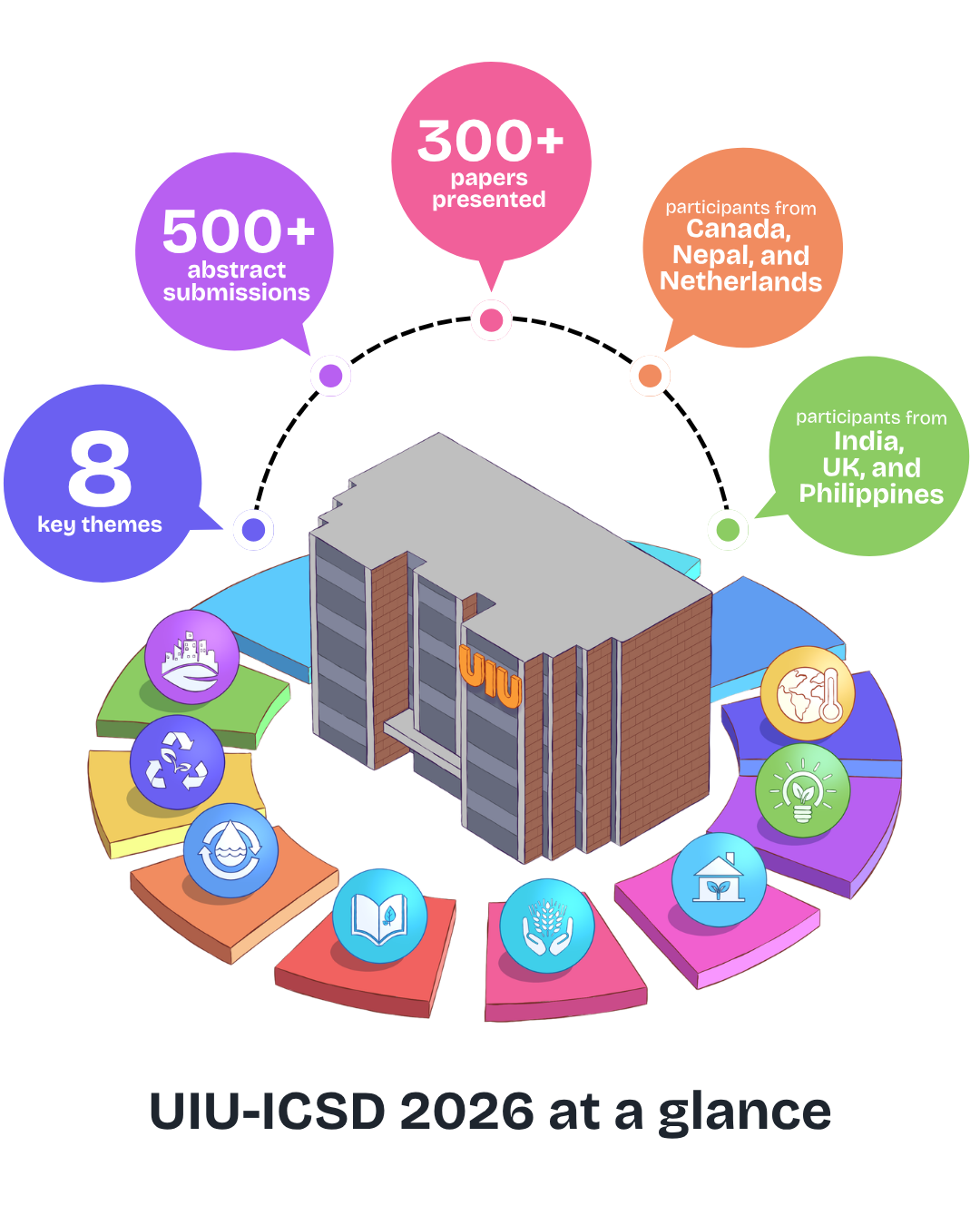
The inaugural ceremony of the conference was held on April 11. Neeltje Kielen, Delegated Representative, Water Affairs, Embassy of the Kingdom of the Netherlands in Bangladesh, was present as the chief guest in the inaugural ceremony. Dr Khairul Islam, Regional Director at WaterAid, South Asia Region, and Shreya Chakraborty, Country Focal Point, International Water Management Institute, Bangladesh, were present as guests of honour.
Prof. Dr Mashfiqus Salehin from the Institute of Water and Flood Management, Bangladesh University of Engineering and Technology (BUET), was present as the inaugural speaker. Prof. Dr Hamidul Huq, Director of the Institute of Development Studies and Sustainability (IDSS) and Convener of the 8th UIU-ICSD 2026, opened the inaugural session with a welcome and introductory address at the conference.
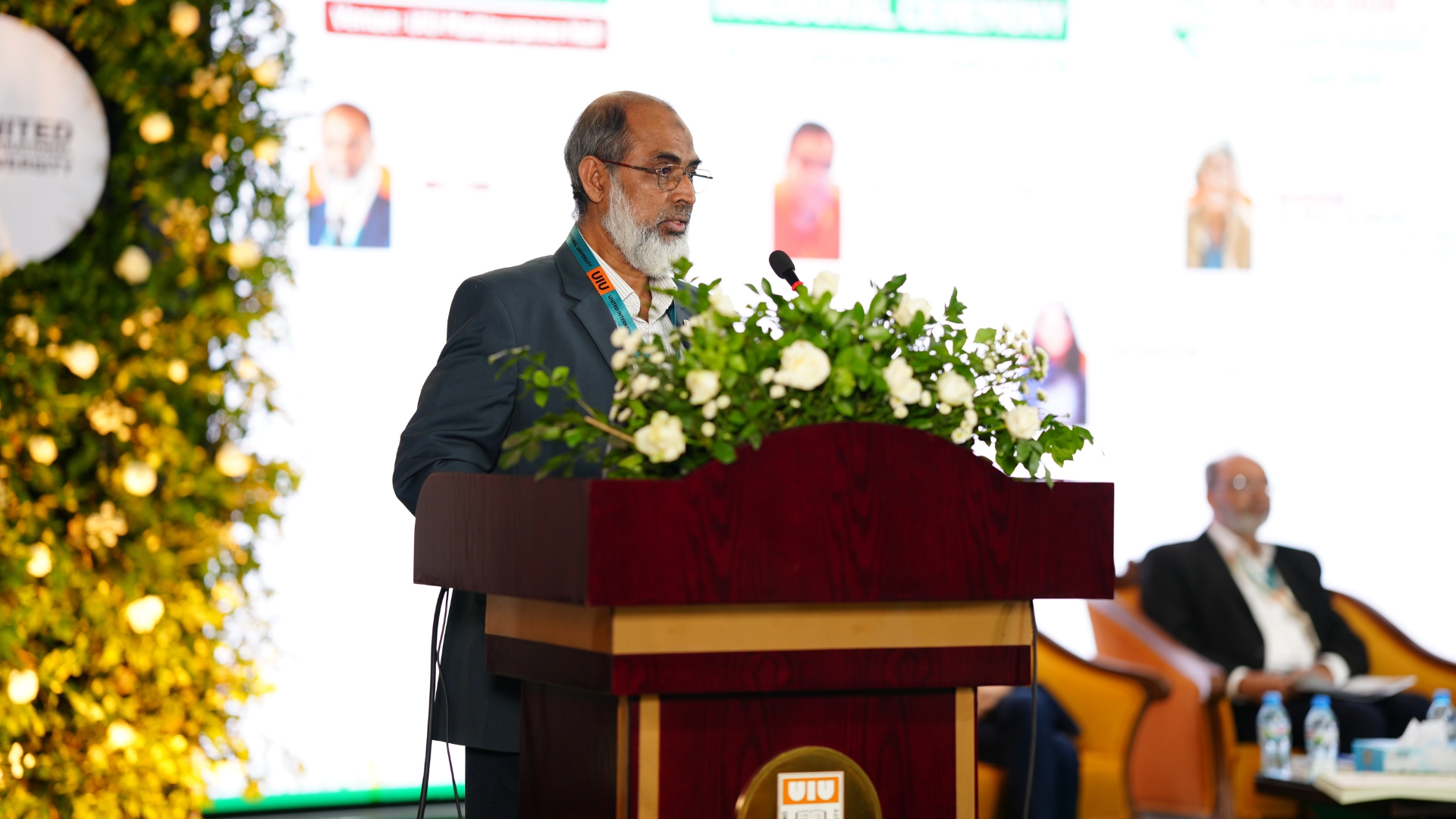
UIU Vice-Chancellor Prof. Dr Md Abul Kashem Mia presided over the inaugural ceremony. During his speech, he said, “The scope of this conference is to create an enabling platform for scientists, academics, policy-makers, development practitioners, and other stakeholders from home and abroad to share innovations, ideas and knowledge, and critical concerns on sustainable development.I firmly believe that the continuity of this conference series through 2030 will play an important role in tracking progress, improving partnerships, and enhancing accountability in the implementation of the SDGs.”
Kielen said that everyone needs to work together to address global climate change and achieve the Sustainable Development Goals (SDGs), noting that the conference will play an important role in advancing the SDGs and in strengthening regional and international relations.
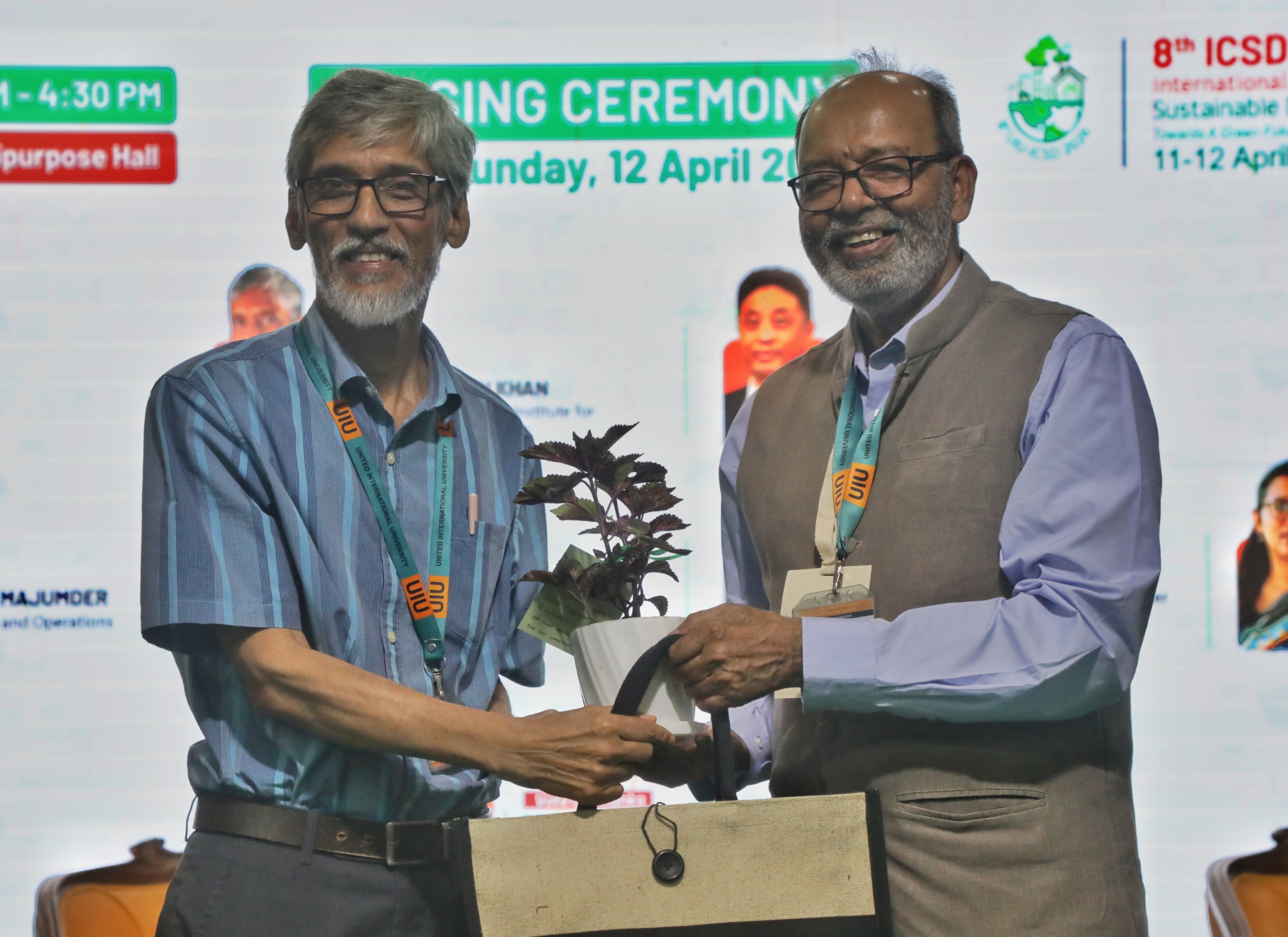
UIU faculty members, officials, students, national and international sustainable development researchers, representatives from different universities and research organisations, national and international NGOs, and other distinguished guests were present at the inaugural ceremony. Following the opening ceremony and the plenary session, day one saw multiple parallel sessions. In these sessions, researchers presented papers aligned with the conference's eight themes.
On day two of the conference, parallel sessions ran from 9 AM to 2 PM. Following lunch, the closing ceremony began at 3:30 PM. Prior to that, Campus caught up with some of the organisers and participants of the conference to have a candid discussion on the conference and sustainable development itself.
For Salma Begum, a lecturer and research fellow at the IDSS, the conference was as much about process as it was about outcome. “We divided our tasks within the team, and I have been learning and growing throughout the process,” she says. “These past four months have been a valuable learning journey for me. The teachers, students, participants, and volunteers all worked very hard to organise this conference. It’s great to see such a collaborative environment.”
Justin Fanoy, an MSc student from the Netherlands conducting research in the coastal areas around Khulna, participated in the conference to give something back and to share the knowledge he had gained during his thesis data collection with other students and professionals in the field of sustainable development.
Jafar Ullah Khan, a student of environment and development studies at UIU, saw the conference as an opportunity to be more connected. Sumit Kumar Sen, from Khulna University, talked fondly about the conference, mentioning the large number of participants, the engaging sessions, excellent management, and, most vividly, a presentation on research conducted in Teknaf.
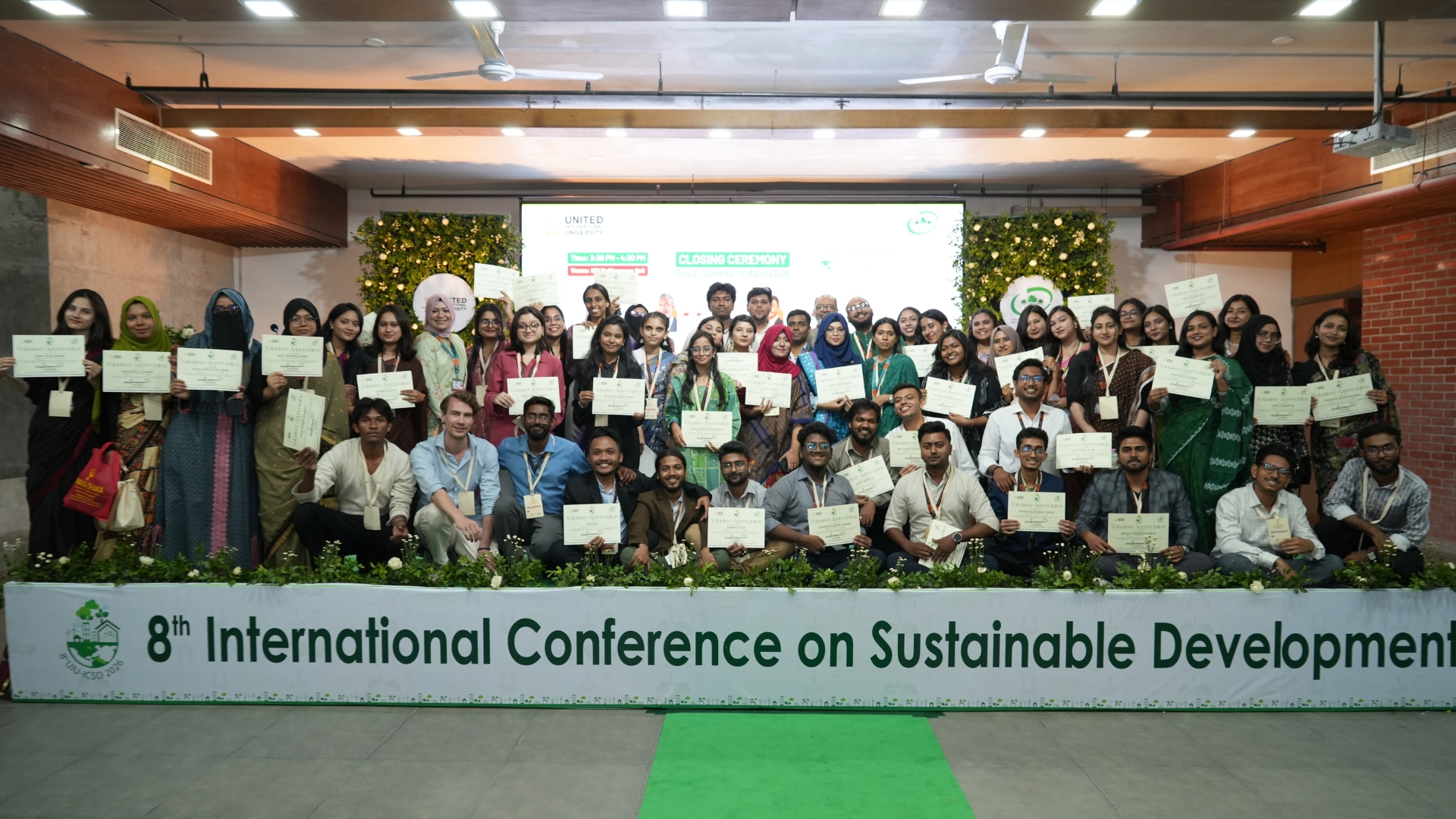
Justin further noted the high academic standard and the productive blend of student and professional research in the conference—a combination that allows theory and practice to coexist. Jafar emphasised the role of interaction, of conversations with faculty members and students from different institutions.
Sumaiya Chowdhury from Shahjalal University of Science and Technology (SUST) highlighted the quality of organisation and the insightfulness of the sessions. She found the organisation and management excellent and enjoyed being at the conference, mentioning how the people she interacted with helped her learn a lot.
When asked how important it is for countries like Bangladesh to host such conferences related to sustainable development, Justin suggested that these discussions must not remain confined to academia; they must be implemented. Jafar framed it as a challenge, stating that it is a responsibility for young people in Bangladesh to engage more deeply with sustainable development and knowledge sharing.
During the closing ceremony, the special guests of the conference took to the stage to share their thoughts on the conference and sustainable development in general.
 For all latest news, follow The Daily Star's Google News channel.
 Alok Kumar Majumder, Director of Programme and Operations at RedOrange, applauded the significant volume of research presented at the 8th UIU-ICSD 2026. Dr Muhammad Ariful Islam, President of the Bangladesh Institute of Planners, reminded the attendees that planning is about making choices, and for those choices to matter, they must be practical.
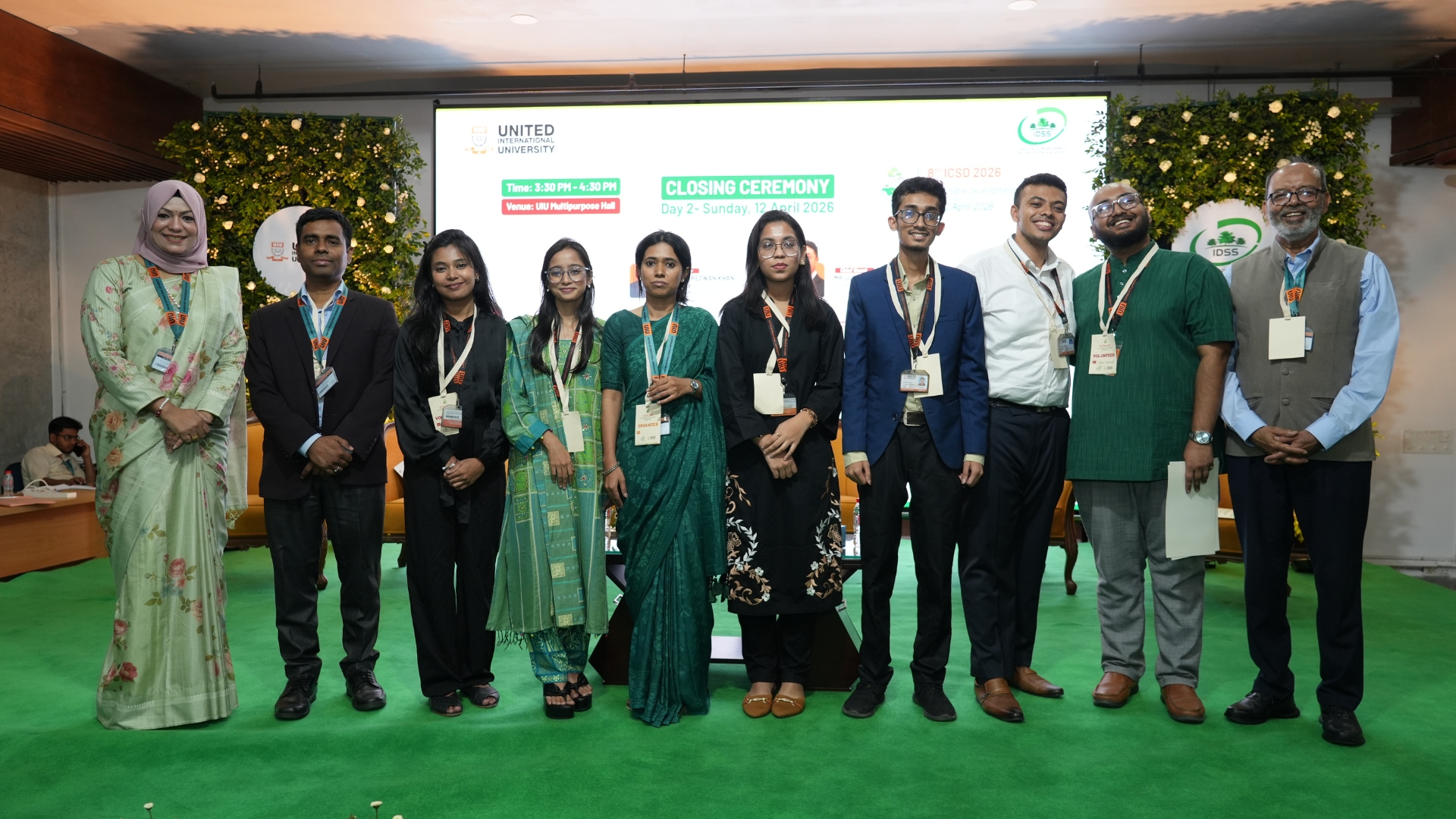
Dr Farhana Ahmed, Director & Principal Specialist, Research Development and Training Division, Center for Environmental and Geographic Information Services (CEGIS), acknowledged the high academic standard of the presentations and pointed out that the real challenge was implementation. Juliate Keya Malakar, Executive Director of the Christian Commission for Development in Bangladesh (CCDB), said that the challenge is no longer data collection but action, highlighting the fact that understanding affected populations is key, and without that, knowledge remains abstract.
The conference chair, Dr M Rezwan Khan, Professor and Director, Institute for Advanced Research, UIU, expressed his great pleasure in seeing the presented papers address a fundamental question he once asked by an economist: whether development, by its very nature, is sustainable at all. By revisiting this core debate, he noted that the conference is tackling the most essential challenges of our time.
Lastly, during the vote of thanks, Prof. Dr Hamidul Huq framed the event as a collective initiative—one that generated new ideas while identifying emerging challenges. His announcement of the next conference, scheduled for February 2027, suggested that this is not a one-off event but part of an ongoing conversation.
UIU-ICSD 2026 successfully united researchers, policymakers, and practitioners around critical sustainability challenges. Moving forward, participants must transform these insights into tangible action—breaking institutional barriers, implementing evidence-based solutions, and developing meaningful collaboration.
CU students protest higher viva marks in govt job recruitment
Press Release / The IB Diploma Programme: Preparing global citizens
Press Release / 'AIUBian in Europe' season two held in Frankfurt, Germany
Promotional Content / Daffodil Smart City: How a self-sustained educational township flourished in Savar
Press Release / The British Council hosts the grand finale of FameLab Academy Bangladesh 2026
Special Content / Daffodil International School holds Graduation Ceremony 2025–26

Education / College admissions: How to apply

Opinion / AI will, inevitably, raise the value of writers
Man detained at CU following female student’s harassment allegation