


Srijit’s new project revisits Satyajit Ray’s classic ‘Goopy Gyne Bagha Byne’
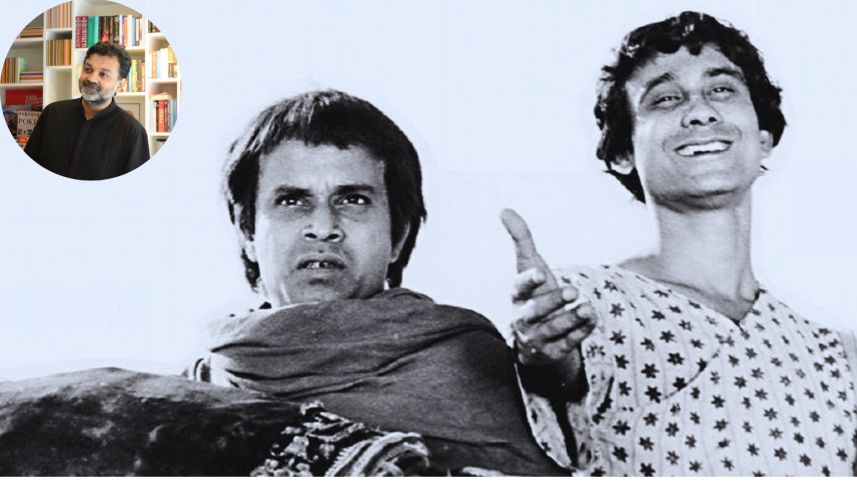
Hoichoi Studios on Sunday unveiled the poster for Srijit Mukherji’s upcoming film “Maharaja Tomare Selam”, which is set to hit theatres next year.
Jeetu Kamal, Ritwick Bhowmik and Rudranil Ghosh will headline the film, with Samik Roy Chowdhury, Satakshi Nandy, Sairity Banerjee and Arijit Dutta appearing in key roles.

Produced by Hoichoi Studios and Friends Communication, in association with Piyali Films Pvt Ltd, the original production house behind “Goopy Gyne Bagha Byne”, the film explores the vision, determination and creative challenges behind Satyajit Ray’s beloved 1969 classic.
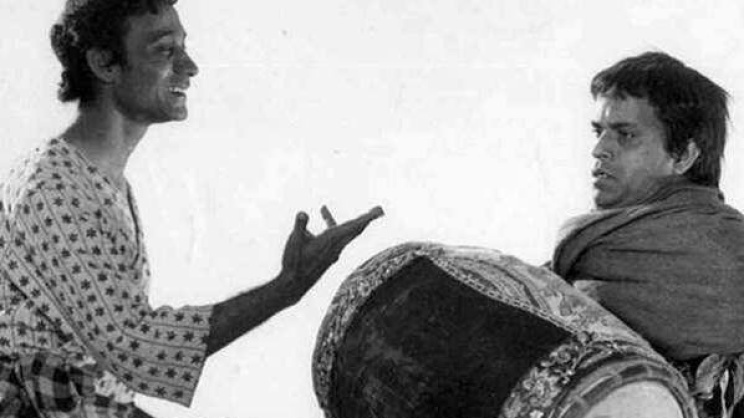
Composer and musician Debojyoti Mishra, who has scored the upcoming film, was also present at the poster unveiling.
The event also brought another major announcement: “Goopy Gyne Bagha Byne” is set to undergo a prestigious 4K restoration by Film Heritage, in collaboration with Martin Scorsese’s Film Foundation. The restored version of Ray’s classic is scheduled for release in 2027.
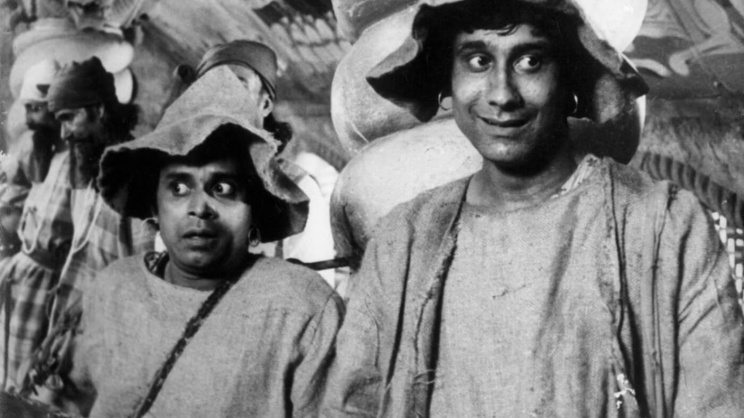
Released on May 8, 1969, “Goopy Gyne Bagha Byne” follows two inept village musicians, Goopy and Bagha, played by Tapen Chatterjee and Rabi Ghosh. Banished from their homes, the duo are granted magical powers by the King of Ghosts, which they use to prevent a war between two rival kingdoms.
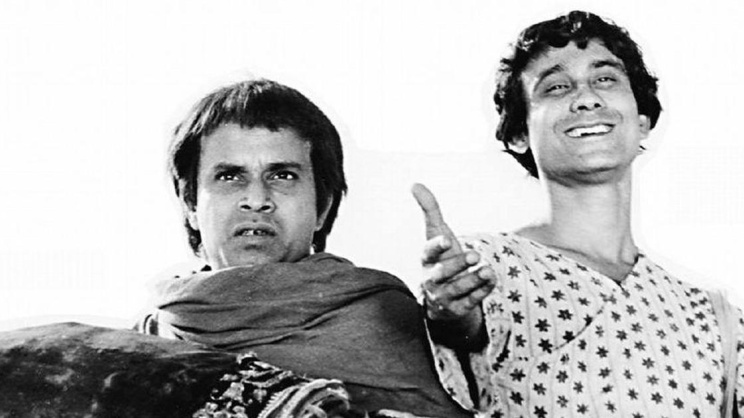
Beneath its whimsical fantasy, the film explored themes of class, conflict and the power of art. Ray later developed its political undertones into a more direct satire of authoritarianism in the 1980 sequel “Hirak Rajar Deshe”. The trilogy was completed by Ray’s son Sandip Ray with “Goopy Bagha Phire Elo” in 1992.
“Maharaja Tomare Selam” joins a growing list of Bengali films that have revisited Satyajit Ray’s legacy. Anik Dutta’s “Aparajito” dramatised the making of “Pather Panchali”, with Jeetu Kamal portraying a character inspired by Ray, while Kaushik Ganguly’s “Apur Panchali” traced the later life of Subir Banerjee, who played Apu in the landmark film.
Srijit Mukherji’s directorial debut, “Autograph”, also paid homage to Ray’s “Nayak”.
 For all latest news, follow The Daily Star's Google News channel.
Comments