


Iran crisis and the nuances of enforcing force majeure clause
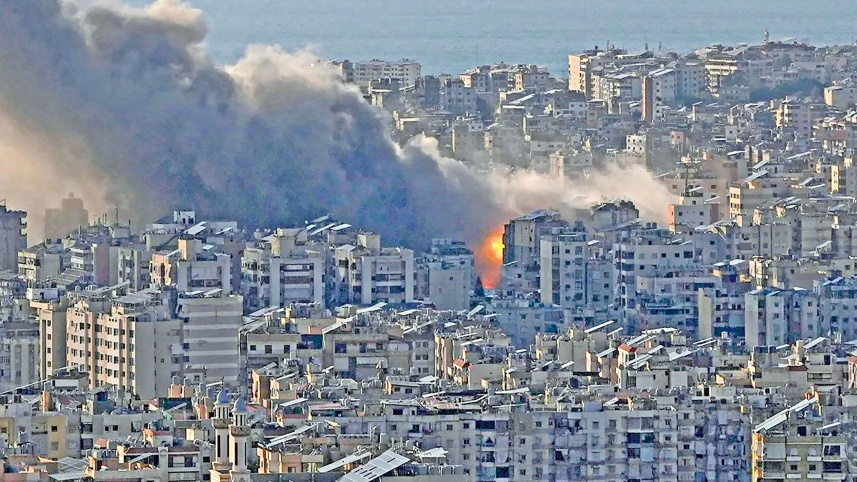
Following the United States-Israel war on Iran which started on 28 February 2026, one legal term has made headlines on several financial newspapers: ‘force majeure’. In this write-up, I will explain what this term means, why it is being invoked in the current crisis and how it may affect global energy sector, shipping and trade.
Firstly, let us dive into the meaning of the term. Etymologically, the term ‘force majeure’ is a French phrase meaning ‘superior force’. In the world of shipping, energy, and commodity trade, force majeure clauses are not boilerplate niceties but carefully negotiated protective shields. In commercial contracts, it refers to a clause that excuses one, or both parties from performing their contractual obligations when some extraordinary, unforeseeable events beyond their reasonable control make performance of the contract impossible or, in some cases, commercially impracticable.

The standard for what qualifies as force majeure event, the notice requirements, the duration of its operation, and the consequences of prolonged invocation of a force majeure clause are always debated. However, these events typically include natural disasters, pandemics, wars, and acts of state or government or any unforeseeable event of a sizeable magnitude. The clause may not always terminate a contract but may suspend party obligations for the duration of the disruptive event, protecting the defaulting party from liability for breach of contract. It ultimately depends on how the court construes the contract as a whole and the wording of the clause itself. A standard common law contract, for example, tends to interpret force majeure narrowly: parties invoking it bear the burden of proving it.
Secondly, it may be asked when such clause comes into force. Usually, force majeure clause is activated when three conditions are met: (1) the event was unforeseeable at the time of signing the contract; (2) the party invoking it had no control over the unforeseen event; (3) the event directly prevents performance of the contract.
In the world of shipping, energy, and commodity trade, force majeure clauses are not boilerplate niceties but carefully negotiated protective shields. In commercial contracts, it refers to a clause that excuses one, or both parties from performing their contractual obligations when some extraordinary, unforeseeable events beyond their reasonable control make performance of the contract impossible or, in some cases, commercially impracticable.
A shipping company that is contractually bound to deliver liquefied natural gas through the Strait of Hormuz cannot do it anymore as the Islamic Revolutionary Guard Corps (IRGC) has announced closure of the strait. Since there has been an effective halt to shipping traffic in the region, the trading parties may take recourse to enforcing the force majeure clause in their contract.
The critical legal nuance, however, is that courts and arbitration panels will scrutinise whether the party took all reasonable steps to mitigate the impact of the unforeseen event. One option for the merchant ships could be rerouting cargo around Africa’s Cape of Good Hope. However, this would add significant time and cost to the performance of the contract before force majeure protection is granted. As major container shipping companies including Maersk, CMA CGM, and Hapag-Lloyd have suspended transits through the strait, the question of what ‘reasonable alternative’ looks like is one that will occupy judges and arbitrators for years to come.
Moreover, the current crisis has produced what the International Energy Agency has described as the greatest global energy security challenge in history. The Strait of Hormuz, through which approximately 20% of the world’s oil passes daily, has effectively been closed due to adversarial shipping. After the Iranian military attacks on 18th March 2026, Qatar Energy declared force majeure on all exports from Ras Laffan LNG facility, which has triggered a cascade of contractual suspensions across the global gas market. As a result, Brent Crude prices neared $120 per barrel and oil prices have since been volatile. On the other hand, war-risk insurance premiums for vessels transiting the strait have surged dramatically in a matter of days. These facts directly affect the enforceability of every energy contract, shipping agreement, or commodity purchase order, forming strong grounds for effectuating the force majeure clause.
From Bangladeshi perspective, the implications would be immediate. As a country heavily reliant on imported energy and industrial raw materials, soaring freight costs, delayed deliveries, and supply shortfalls will test force majeure clauses across a wide range of commercial contracts. To avoid legal complications, Bangladeshi importers and exporters must urgently audit their existing agreements, identify force majeure triggers, and issue the requisite notices where applicable. Failure to do so within contractually specified timeframes (usually 48 to 72 hours) may result in forfeiting the force majeure protection entirely.
To conclude, force majeure clause is not a magic escape hatch, but a carefully drafted legal remedy for genuinely extraordinary circumstances. The military conflict in the Persian Gulf, which has effectively shut down a chokepoint through which one-fifth of the world’s oil is transported, may qualify as such an exceptional case.
The writer is barrister (Lincoln’s Inn) of England & Wales and an accredited Civil-Commercial Mediator (ADR-ODR International).
 For all latest news, follow The Daily Star's Google News channel.
Comments