


Tushi elevates the pressure

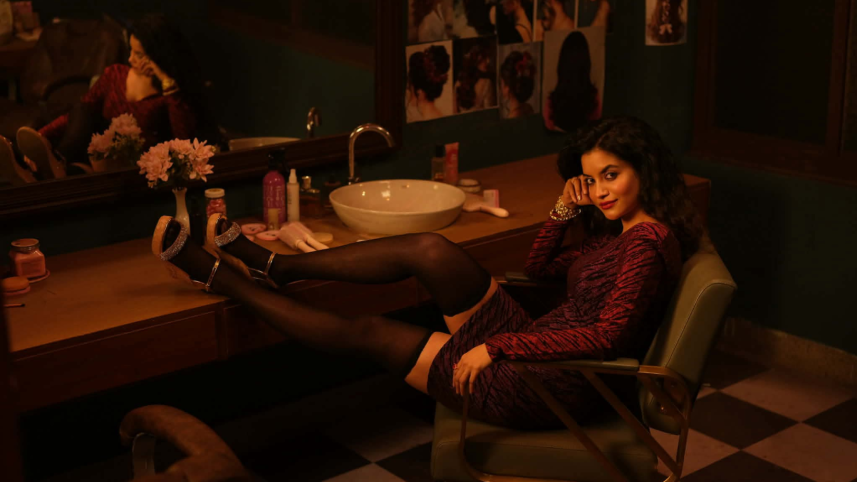
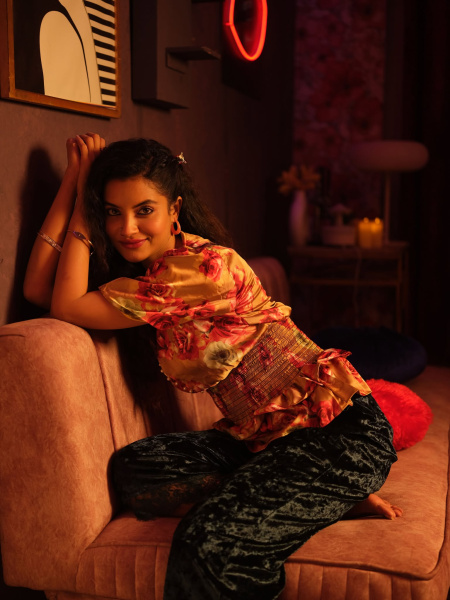
Nazifa Tushi has been winning hearts with her unforgettable portrayal of ‘Reshma Pakhi’ in Raihan Rafi’s “Pressure Cooker”. Although the film debuted with a limited number of screenings, word of mouth spread rapidly; audiences are now captivated not only by the bold storyline but also by Nazifa’s mesmerising performance.
The Daily Star caught up with Nazifa, who shared her journey into the character and her thoughts on the shifting landscape for female-led cinema in Bangladesh.

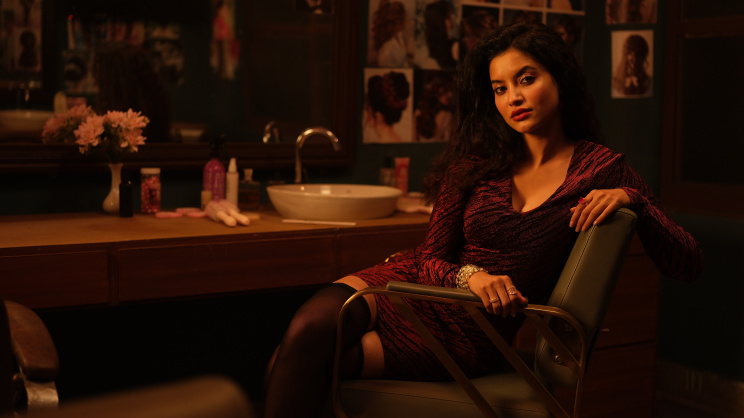
“Whenever we go to a cinema hall, people greet us warmly and with immense excitement; many are even bringing their families along,” Nazifa shared.
“Sometimes the crowd is so large that tickets sell out almost instantly. Two of our shows were VIP screenings with tickets priced around 900 BDT, and they sold out completely.” She described the public response as both humbling and motivating. “Seeing sold-out shows and knowing the audience is truly enjoying the film is such a blessing. It shows that people value the work we’ve put into it. The feedback for my character has been incredibly positive. I usually shy away from self-praise, but it’s heartening to see how female audiences, in particular, are connecting with the story.”
Even though “Pressure Cooker” is classified as an 18+ film, Nazifa noticed many parents bringing their children to watch it. “The rating isn’t about extreme violence or cruelty; it’s about portraying realistic, socially grounded situations,” she explained. “Addressing these issues is vital—ignoring them would make the story incomplete. Meeting parents who felt it was important for their children to see the film was very rewarding. It proved that the story resonates far beyond the screen.”
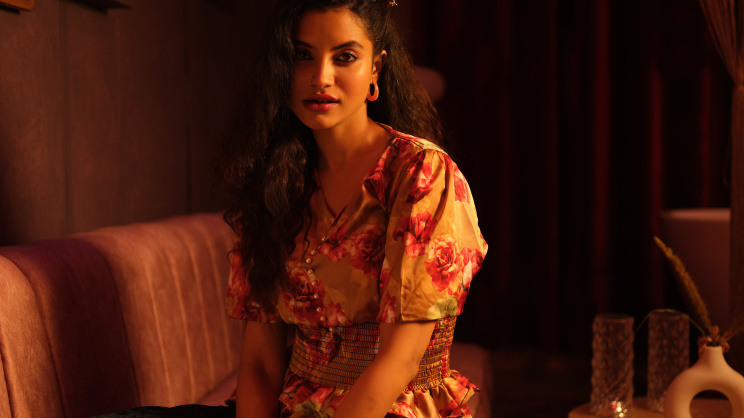
One of the primary draws for Nazifa was the film’s focus on a woman’s perspective. “ ‘Pressure Cooker’ presents a world dominated by women—a female-centric space,” she said. “The story unfolds entirely through Reshma’s eyes, revealing multiple layers of society through a hyperlink-style narrative.”
Nazifa also reflected on the systemic challenges facing women in the industry. “A colleague once told me that films led by women don’t do well commercially, and that a strong male presence is necessary. That stayed with me, and I’ve always felt it was a flawed notion. Men dominate most aspects of the industry—commanding higher fees and enjoying more privileges. Even talented actresses don’t always receive equal opportunities or pay, despite showing the same dedication and professionalism.”
Fans have also been raving about the chemistry between Nazifa and her co-star, Rizvi Rizu. “We first worked together in a music video, which led to us both being cast in ‘Hawa’. After that, I hoped someone would pair us again. Finally, that wish came true in ‘Pressure Cooker’. Rafi gave Rizu a brilliant character, and working with him was an absolute pleasure. Our comfort and genuine chemistry come across naturally on screen, and I think that’s why the audience is responding so positively.”

To fully embody Reshma, a professional masseuse, Nazifa went above and beyond. “I wanted the character to feel authentic. Every character has a unique journey, and I try to live in their world as much as possible—method acting really helps,” she said. Nazifa visited various salons across the country, experiencing massages firsthand and practicing the techniques on her family and friends to ensure her movements looked natural on camera. She also spent time with two women whose real-life experiences mirrored Reshma’s. “Observing how they moved, thought, and reacted helped me understand the character more deeply. Spending time with real people is essential for bringing authenticity to a role.”
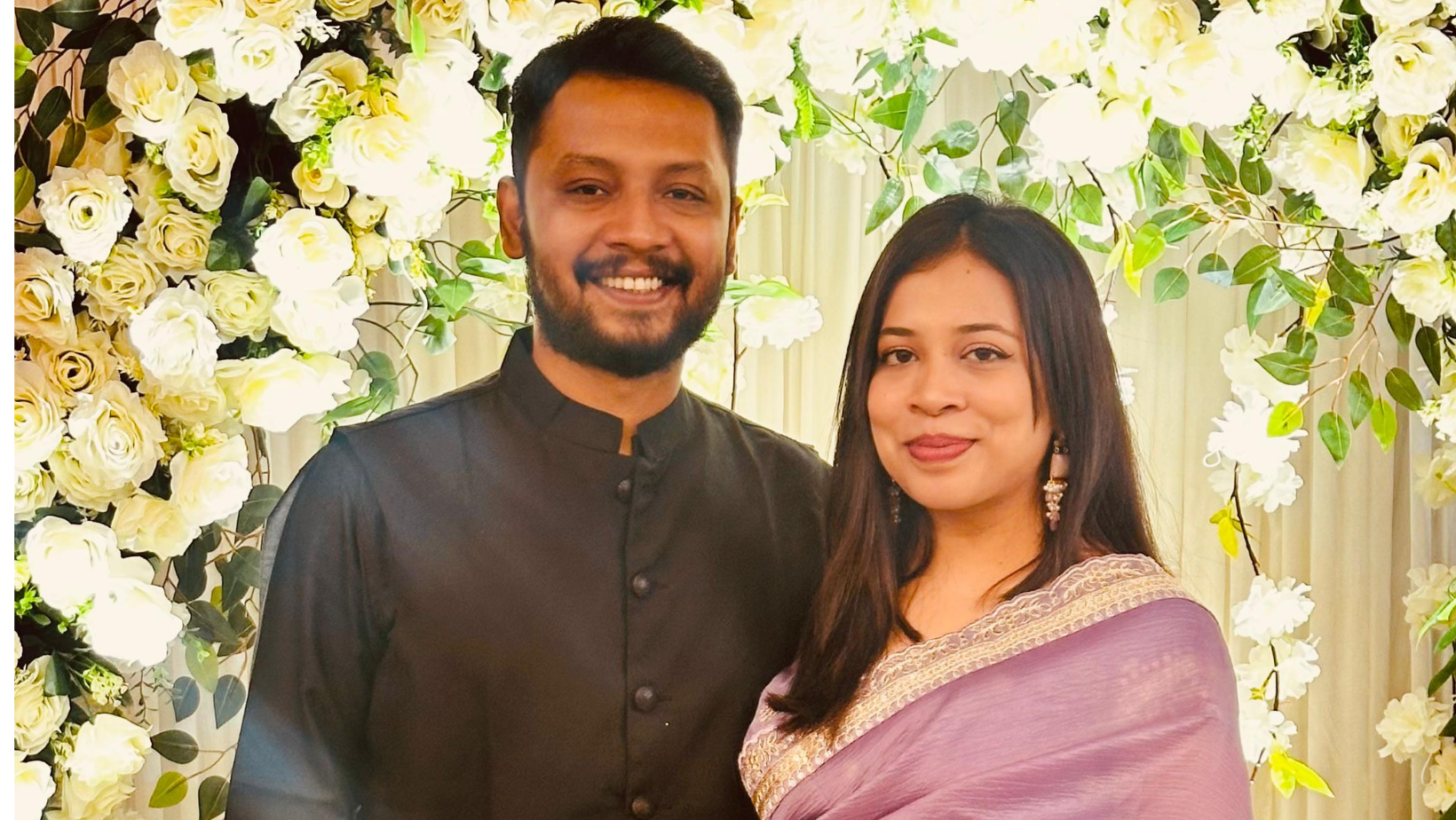
The film also explores Reshma’s complex transformation into Pakhi. “Reshma is a simple girl, neglected by society, whose life is defined by survival and pressure. Gradually, as she becomes Pakhi, she sheds that identity. Rafi told me, ‘You can become Reshma, but becoming Pakhi will be difficult. You’ll need Pakhi’s spark.’ Pakhi is an upper-class persona where everything revolves around money and power.” To understand Pakhi’s environment, Nazifa visited various local and upscale bars at night, observing the intense and often aggressive interactions between clients and performers.
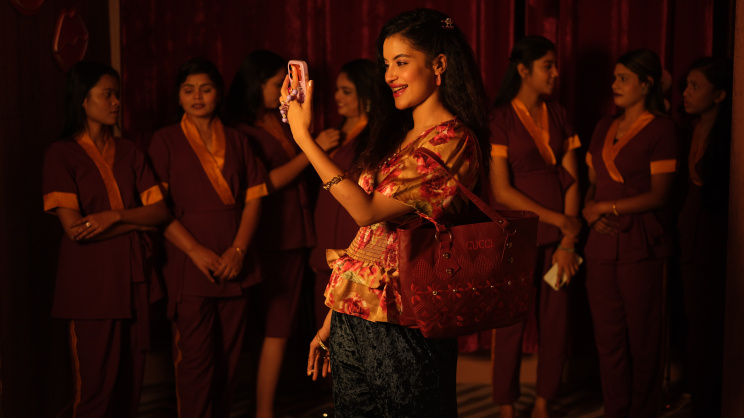
“It was a sensitive and exhausting environment, but I wanted to experience it fully. Initially, the physical and mental toll of that world is painful. You can’t truly understand it unless you live it. Every girl I portrayed gave me a glimpse into a hidden struggle. That suppression—that ‘pressure’—is what this film is really about.” For Nazifa, the emotional weight of the project made the success even sweeter. “I care deeply about this film. If the audience connects with it, I’ll feel more fulfilled than with any other project. I could have chosen an easy, guaranteed-hit story with a superstar lead, but I chose this challenge because this story needed to be told. Taking this risk was necessary, and I feel it was worth it.”
 For all latest news, follow The Daily Star's Google News channel.
Comments