


Retrogradation: When starch takes a step backward and why it matters

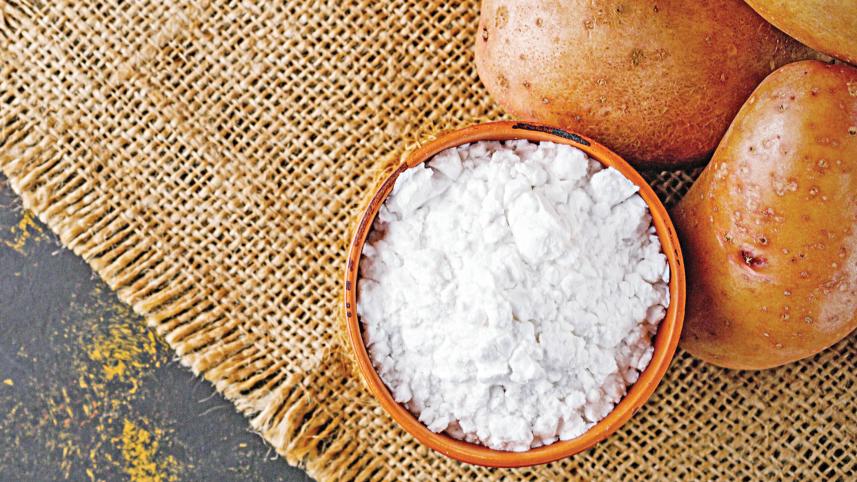
Retrogradation sounds like a nostalgic move from a retro fashion show, but in the quiet chemistry of our everyday foods, it is a small rebellion of starch molecules. This phenomenon occurs when gelatinised starch swollen and softened by heat cools down and begins to reorganise into a firmer, more crystalline structure. In simple terms, it is starch pressing the rewind button.
Fresh rice that turns dry and hard the next morning, bread that loses its softness, or pudding that suddenly "weeps" water are all everyday examples of retrogradation. At the molecular level, amylose, one of the two main components of starch, realigns quickly when cooled, forming strong hydrogen bonds. Amylopectin, the bulkier sibling, follows more slowly. Together, they squeeze out water, creating a firm, sometimes unappetising texture.

Yet this sleepy rearrangement of molecules carries consequences beyond texture. Retrograded starch is less digestible, making it a type of resistant starch: a starch that behaves like fibre. This offers metabolic benefits, including improved gut health and reduced post-meal blood glucose spikes. Nutrition science finds a quiet ally here: leftovers, when reheated, may actually be healthier than their freshly cooked counterparts.
Food industries and culinary practices constantly wrestle with retrogradation. Bakers work hard to slow bread staling, while nutritionists appreciate the metabolic advantages of resistant starch formation. It is a tug-of-war between texture and health; between culinary expectation and biochemical reality.
Retrogradation reminds us that food is not static. Even after leaving the stove, it continues to evolve. Understanding this molecular choreography opens doors to better cooking, longer shelf life, and healthier dietary strategies. In the world of starch, stepping backward is not always a bad thing.
The writer is the founder & CEO of Nutrition For Change. E-mail: raisameh20@gmail.com
 For all latest news, follow The Daily Star's Google News channel.
Comments