


How SHAPE is redefining lingerie for women in Bangladesh
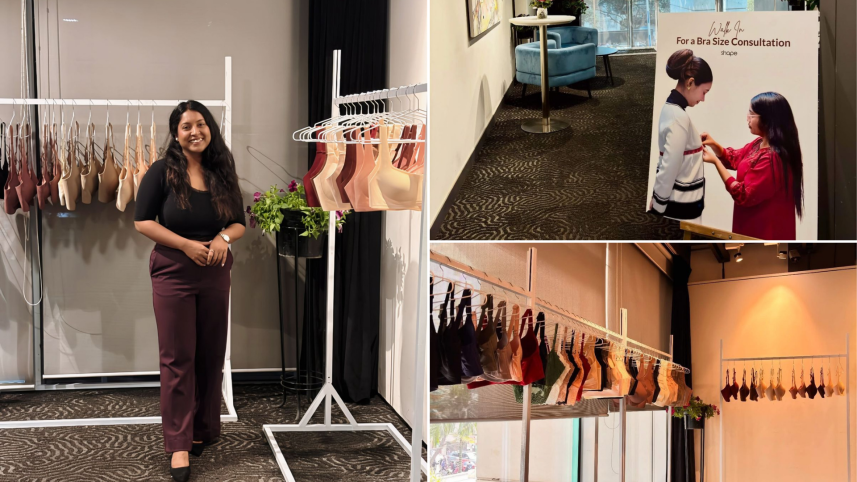
A bra is rarely discussed as a serious design problem. It is usually treated as a private purchase, an afterthought hidden beneath clothing. Yet, for millions of women, the wrong undergarment shapes how a day unfolds. Discomfort, visible straps, or ill-fitting cups can turn into constant distractions that quietly chip away at focus and confidence.
This everyday problem is precisely where Monoshita Ayruani chose to work.

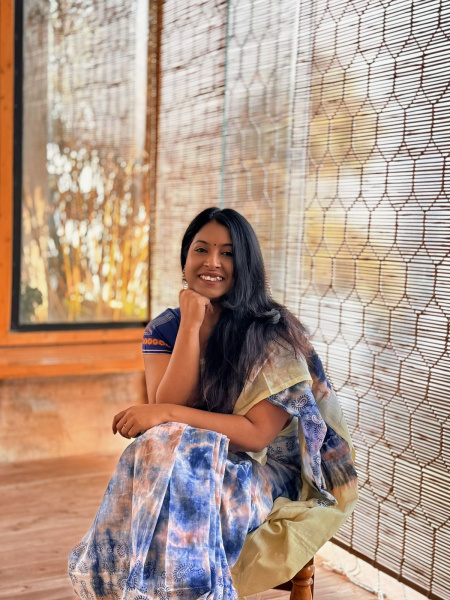
Ayruani is the founder of SHAPE, a Bangladeshi lingerie brand that focuses on bras designed for comfort, functionality, and body inclusivity.
“When I started Shape, the vision was very clear and very simple,” she explains. “I wanted to make women more comfortable in their bodies.”
Comfort as a design principle
Ayruani often frames her work in terms that go beyond fashion. For her, lingerie is not just about aesthetics or trends. It is about removing the physical distractions that women routinely carry throughout the day.
“Women are constantly navigating discomfort,” she says. “If you are walking on a street in Dhaka, you already have to stay alert. You are aware of how people look at you, whether someone might touch you, or pull at your bag. That creates a cognitive load in your head.”
That constant awareness extends into workplaces and social spaces. According to Ayruani, even small physical irritations can reduce concentration and confidence.
“If you are in a meeting and constantly adjusting your strap or your bra hurts, you are not fully present in the conversation,” she explains. “Physical discomfort takes away from women’s potential.”
Her approach to design is therefore practical. The goal is not to create dramatic lingerie statements but to make garments that disappear into daily life.
“The idea is to take away that cognitive load,” she says. “You should not have to think about your undergarments when you are going to work, school, or even running errands.”
Why seamless bras matter
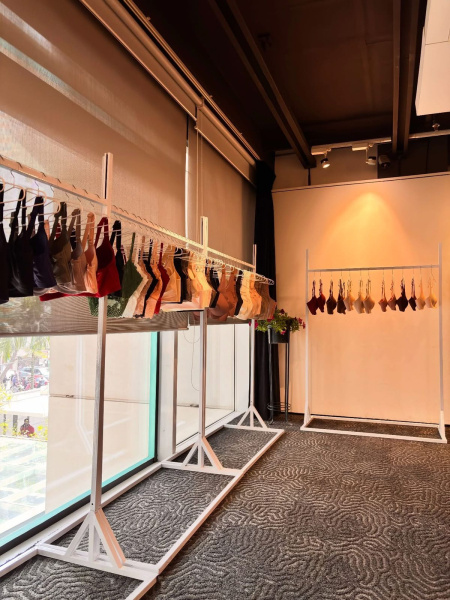
One of SHAPE’s core products is the seamless bra, which Ayruani describes as a solution tailored to the social and climatic realities of Bangladesh.
When worn under clothing, a seamless bra is designed to remain almost invisible. The seams are fused rather than stitched, and the materials mould naturally to the body.
“When we say seamless, we mean that when you wear it and then wear something on top of it, the bra should be practically invisible,” she explains. “Invisible in terms of colour, seams, and straps.”
This design responds directly to the cultural context in which many Bangladeshi women live. Visible bra straps or outlines are often treated as social mistakes rather than neutral wardrobe details.
By minimising visibility, seamless bras give women more control over what they choose to wear.
“It’s about agency,” she adds. “You shouldn’t have to change your outfit because you don’t have the right bra underneath.”
The design also reflects practical considerations such as heat and humidity. In Bangladesh’s climate, layering multiple undergarments under clothing can quickly become uncomfortable.
“In this weather, it doesn’t make sense to wear a bra, then a chemise, then another layer before your outfit,” Ayruani says. “It takes away from both comfort and aesthetics.”
 For all latest news, follow The Daily Star's Google News channel.
Challenging global standards
SHAPE also addresses a long-standing issue in lingerie design: colour.
For decades, the global industry has labelled beige tones as “nude,” even though the shade primarily matches lighter skin tones. For South Asian women with darker complexions, those colours often remain visible under clothing.
Ayruani’s response is subtle but deliberate.
“We don’t call beige ‘nude,’” she says. “Beige is beige. For brown skin tones, we introduced another shade called ‘Coffee,’ which actually works as a nude colour for our bodies.”
She describes this choice as a “quiet rebellion”.
“It’s a small way of saying that global standards don’t automatically represent us,” she explains.
Designing for real bodies
Another central principle behind SHAPE is fit.
Traditional lingerie retail often forces customers to adjust their bodies to limited size options. Ayruani challenges that logic directly.
“The purpose of the product is to fit you, not the other way around,” she says.
Seamless bras rely on stretchable materials that adapt to changes in body shape and weight. This flexibility is especially important for women whose bodies fluctuate frequently due to hormonal cycles or lifestyle changes.
“Women’s bodies change every few months,” Ayruani notes. “Even during a monthly cycle, your chest expands and contracts.”
Rigid underwire bras, she argues, often fail to accommodate those changes.
“If the wire is even slightly off, it presses against breast tissue and can cause pain,” she explains. “I don’t understand why women are expected to wear something that literally hurts their bodies.”
Instead, SHAPE’s products focus on softer structures that move with the body rather than forcing it into a fixed shape.
Quiet change
Much of the brand’s work operates quietly. A better-fitting bra saves a few minutes in the morning. A comfortable garment removes a distraction during work. An invisible strap avoids an awkward comment at a family event.
Individually, these adjustments may seem minor. Collectively, they shift how women experience their everyday routines.
Ayruani summarises the philosophy simply — “I’m trying to remove a small burden,” she says. “If women don’t have to think about discomfort all day, they have more space to focus on everything else they want to do.”
Photo: Courtesy
Comments