


Stitching bigger futures: How creativity is shaping a new generation of Bengali women
Bengali culture has upheld its creativity since time immemorial through hand-stitched fabrics and expressive patterns. The designs of our artisans spoke different stories, breathing life into each creation. Needless to say, Bengali women in the fashion sector, over the years, have transformed the industry into a global phenomenon. Yet, creativity as a career remains a battle to conquer.
Across Bangladesh, creative work is often seen as secondary because people are encouraged to pursue it only when they have time away from their “stable” jobs. Women face even major obstacles, like uncertain professional prospects or external discouragement, when they attempt to establish careers in fashion and design. This divide neglects the deep creative roots that Bengali women have practised long before the trends of modern fashion existed.

Think of the beautiful “kathas” your grandmas used to sew to reuse fabrics. Or the bold colours your aunts included in their wardrobe to match their ornaments. For many Bengali women, creativity began not as their professional path but as the need to let their inquisitive nature or ambition create its magic.
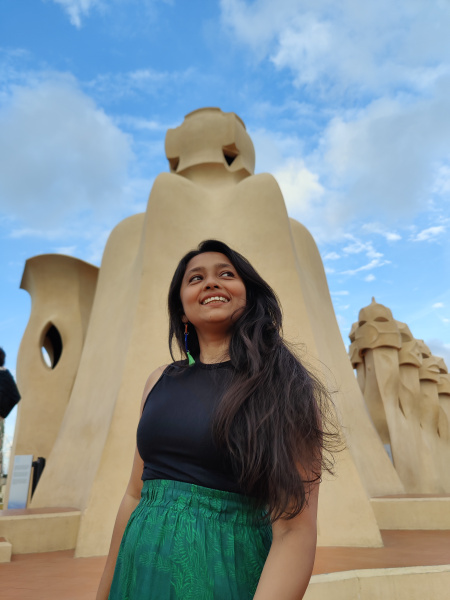
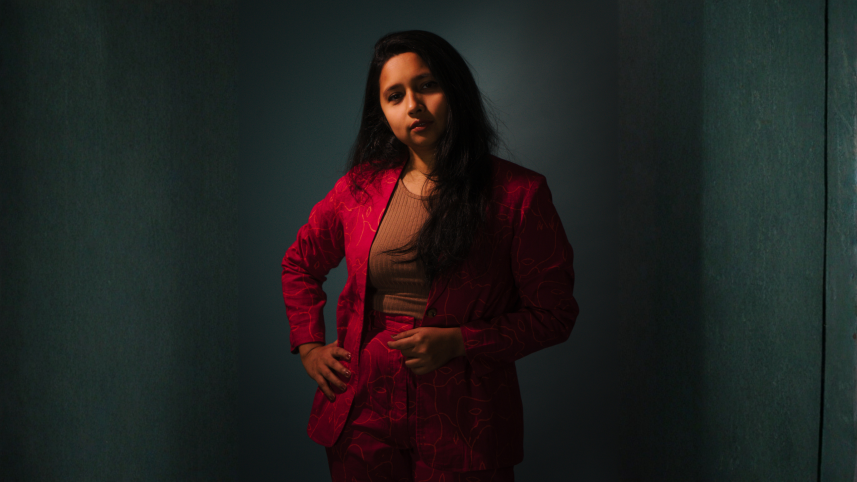
Tasnim Ferdous always found solace in her art and designs. Soon, friends became curious about her clothing designs, and once they learned it was hers, they would request custom items for themselves as well. This motivated her to create a Facebook page, which she used to present her designs.
Over the years, the passion project she started as a minor task developed into a full-fledged business venture. She dedicated herself to building Wearhouse, which started as a customer-focused design platform.
In 2021, Tasnim moved to Canada to pursue higher education while continuing to operate in Bangladesh.
“During my time abroad in the creative industry, I used to be the only person of colour in every table and room,” she said. “And that motivated me to make sure anyone who comes after me has a slightly easier transition.”
Her experience reveals something larger.
More women across Bangladesh have started to pursue creative careers, which they view as both an artistic outlet and a means to achieve financial independence. From operating small fashion brands, working as independent designers, to creating Instagram-based businesses and launching online companies, our women are establishing a legacy of creativity.
Yet, creative professions come with financial instability, which makes it difficult to obtain funding, while women in these fields face constant battles for acknowledgement. Even more dire is the fact that as women of colour, Bengalis face further barriers in global creative markets, with the added pressure of representation.
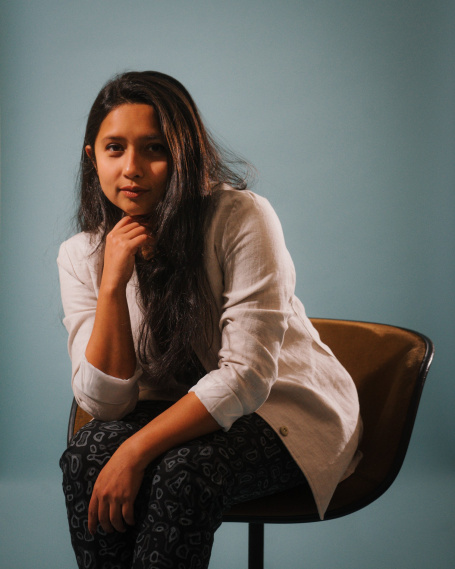
As such, Tasnim wants to achieve more than personal success. “I want to establish myself as an artist, a creative individual without a limiting label, so that someday the brand can be global and Bengali designs can reach beyond borders. I also have hope that it will open more doors for creative Bengali women who want their art to be seen globally,” she mused optimistically.
For many Bengali women like Tasnim, creative expression serves as their method to connect two different worlds because they use their artistic work to respect their heritage while they build their future.
This can act as both a reflection and a direction towards the future. This is because for a growing number of Bengali women, creativity is no longer something to be sidelined. It is becoming a way to claim their space in shaping the global creative landscape.
Ultimately, women who enter artistic fields not only develop their professional paths but also create new stories which enable them to establish their own forms of artistic expression.
Photo: Courtesy
 For all latest news, follow The Daily Star's Google News channel.
Comments