


The heavy burden of our skin colour bias

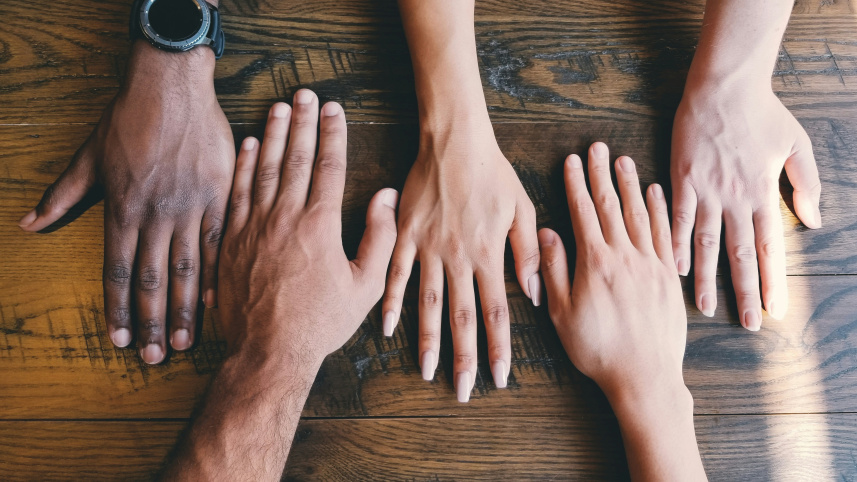
In our society, beauty is often viewed through a very shallow lens. We claim to be modern and progressive. We celebrate educational achievements and career milestones. Yet, the moment we meet someone, our eyes often linger on their skin tone.
Colourism is a deep-seated poison that dictates how we treat each other every single day. It is carefully taught at home from a very young age. Children watch how adults react to different faces. When a mother praises a fair child as a "doll" but stays silent about a darker child, a lesson is learned.
 For all latest news, follow The Daily Star's Google News channel.
 We tell our girls to stay out of the sun to save their complexion. We suggest turmeric packs for teens. By the time they grow up, they have already learned that being fair is a prize. This creates a lifelong insecurity that education cannot easily erase.
"I was told not to drink tea", remembers Tanveer Khan, a final-year student studying at Dhaka University. "My elders said it would make my skin turn dark. It sounds silly now, but back then, I was afraid. I learnt that being dark was something that could not happen to me."
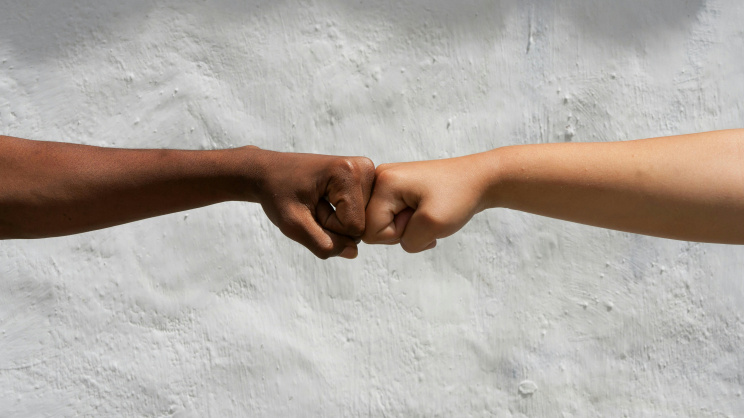
Colour over merit
In Bangladesh, a woman’s degrees and character often take a backseat to her complexion. Even in educated families, a "fair bride" is the top requirement in every biodata.
A woman with a successful career can still be rejected by a prospective groom’s family because she is deemed shyamla (light-brown skin). This discrimination tells every dark-skinned girl that her hard work does not matter. It suggests that her value is only as deep as her skin.
"I am a lead engineer at my firm," says Samia Rahman, a software engineer. "But when my family looked for a match, the only feedback I got was about my skin tone. One aunt told me my salary was good, but it could not buy me a fair face. It felt like all my achievements were invisible because of my complexion."
A two-way street of shaming
Colourism is a complex struggle that goes both ways. Dark-skinned people face constant shaming and pressure to use whitening creams. They feel they must fix themselves to fit into a society that judges them. However, this has also created a cycle of resentment towards fair-skinned people.
When a fair-skinned person faces a real problem, their feelings are often dismissed. People assume that because they are pretty, their lives must be easy. They are taunted for being fair, as if their looks make them less human or less capable of suffering.
"People often make fun of me when I am upset," shares Rehnuma Shahnaz, a middle-aged school teacher. "They tell me I am fair and pretty, so I have nothing to worry about. They dismiss my depression or my work struggles because they think my skin tone solves everything. It is a lonely feeling to have your pain invalidated because people only see your face."
This mutual shaming keeps our society divided. Dark-skinned people rely on dangerous beautification methods to feel accepted. Meanwhile, fair-skinned people are taunted for having it too easy. This constant comparison ruins our ability to see each other as individuals.
Skin colour cannot be a measure of a person’s worth. Whether it is in a marriage biodata, a job interview, or a family gathering, a person's value lies in their actions. We must stop praising people in a way that suggests they are above the rules.
True progress will only happen when we stop teaching our children to judge by the surface. Every skin tone is beautiful. Until we accept that, we will remain trapped in a world where a person's future is decided by the shade of their skin. It is time to look deeper and value the person within.


Comments