


Peaceful polls, a show of order in Bangladesh

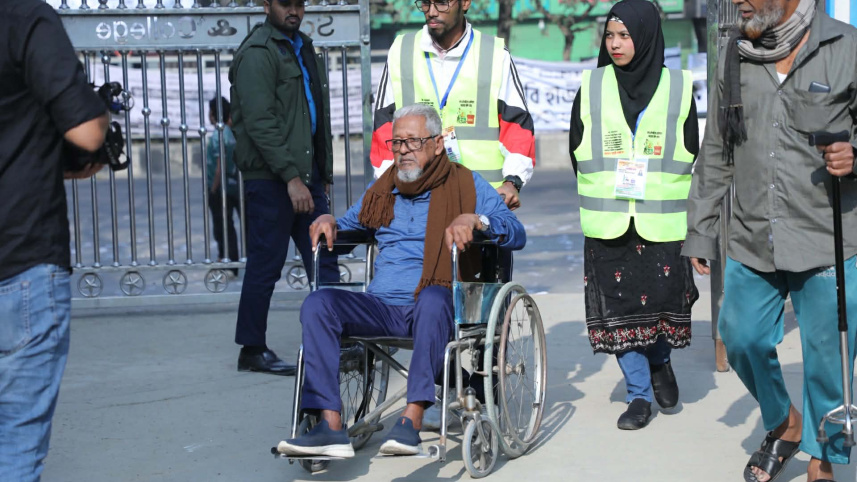
The 13th national election of Bangladesh will likely be remembered as a testimony to responsible behaviour from all quarters. While law enforcers managed to set the tone on the eve of the election with a neutral stance, the parties exhibited commendable restraint through the day. Observers across different constituencies noted the general calm. Voters were able to cast their ballots without fear or disruption. Compared to past elections that were often marked by tension, clashes, or allegations of violence, this election stood out for its orderly conduct.

The presence of law enforcers, patrolling, and the general atmosphere of order around voting booths also meant that voters were not intimidated by any group or quarter. This sense of security encouraged participation and reinforced public confidence.
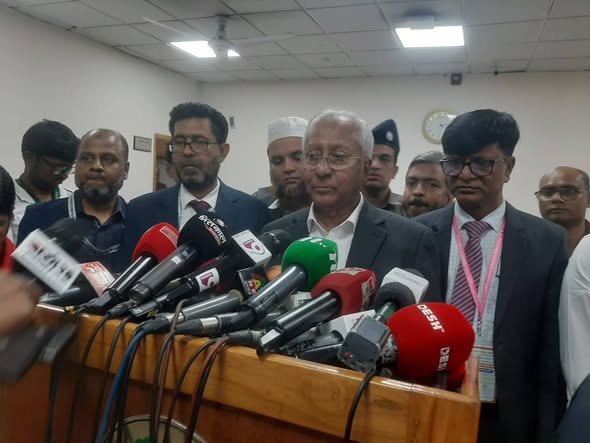
The Election Commission’s logistical preparations also played an important role. Polling centres opened on time in most areas, voting materials were adequately supplied, and polling officials appeared adequately trained to handle procedures. The coordination between election officials and security personnel helped prevent confusion and maintain transparency in the voting process. The visible adherence to rules, such as checking voter identification and regulating entry into polling rooms, contributed to the perception of fairness.
The government, too, deserves recognition for facilitating an environment where administrative bodies and security forces could function effectively. Ensuring that law enforcement agencies were empowered to act against any attempt at disruption sent a strong message that violence or irregularities would not be tolerated. Political stakeholders, regardless of their position, seemed restrained in their public conduct on election day, which further reduced the risk of confrontation.
Importantly, peaceful election is not only about the absence of violence but also about creating trust. When citizens see that their vote can be cast safely and counted without chaos, democratic institutions are strengthened. While no electoral process is beyond scrutiny and improvement, the overall calm and disciplined atmosphere of this election was surely a step in the right direction.
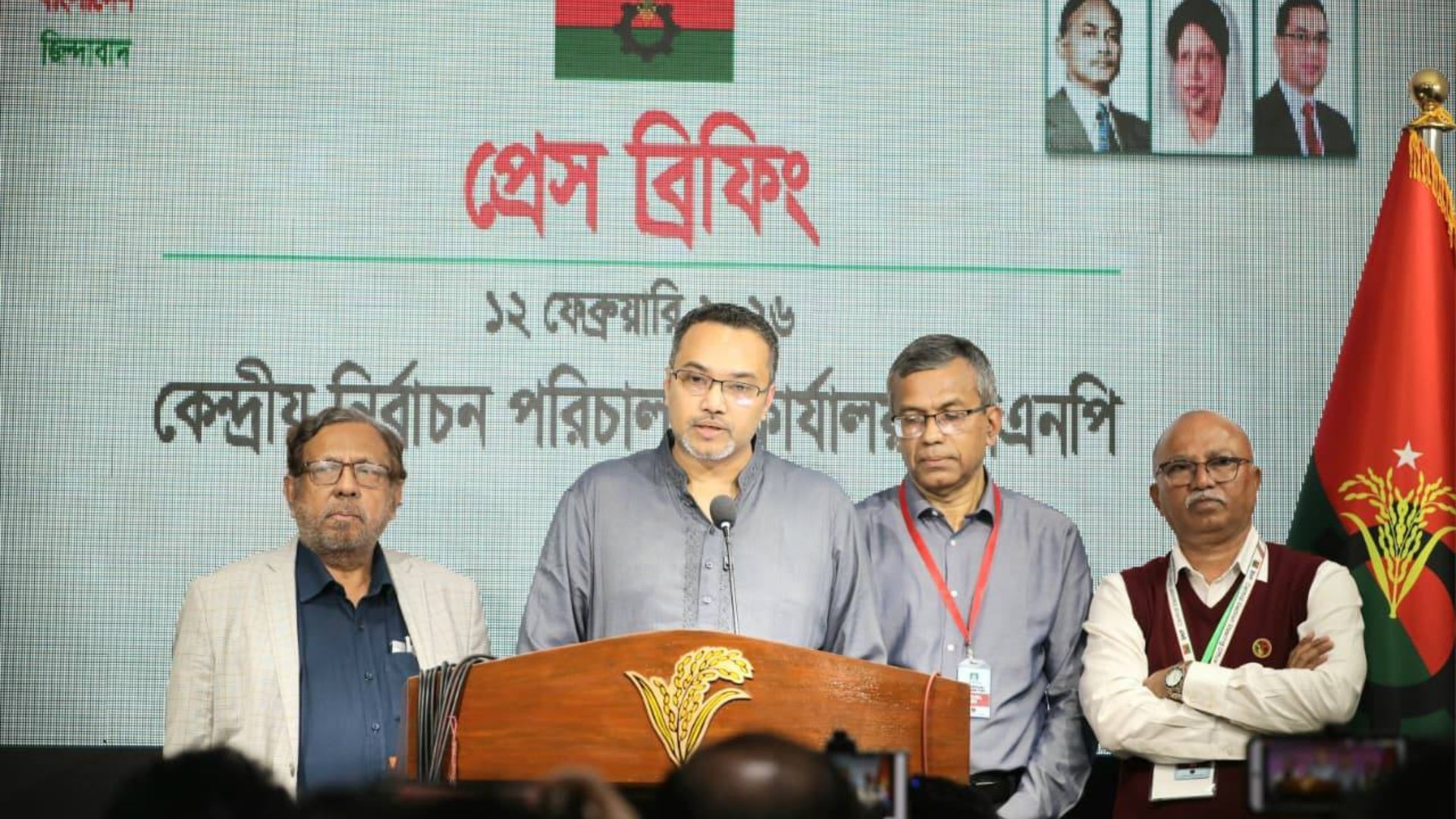
For Bangladesh, a country with a complex political history, conducting a largely peaceful national election is a meaningful achievement. It reflects institutional maturity, improved coordination among state agencies, and a collective understanding that stability during elections benefits the nation as a whole. Sustaining this standard in future elections will be essential for deepening democratic practice and maintaining public confidence in the electoral system.
 For all latest news, follow The Daily Star's Google News channel.
Comments