

AR Rahman’s ‘communal’ claim sparks debate
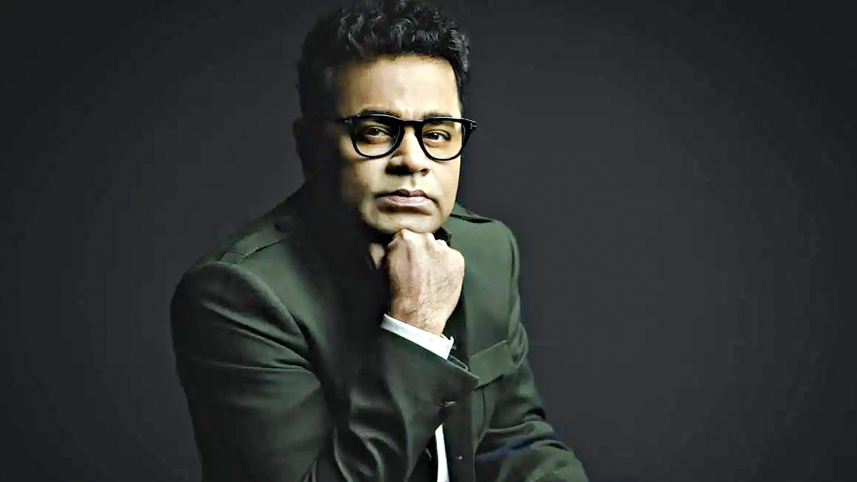
Oscar-winning composer AR Rahman has found himself in the centre of controversy after a recent BBC interview in which he suggested he may have lost work in Bollywood due to communal bias.
The 59-year-old, often referred to as the “Mozart of Madras”, said, “People who are not creative have the power now to decide things, and this might have been a communal thing also.”

Rahman’s comments triggered intense backlash on social media, particularly from Hindu right-wing voices, forcing him to issue a clarification. In a video posted on Instagram three days ago, he said, “I understand that intentions can sometimes be misunderstood, but my purpose has always been to uplift, honour and serve through music.”
The controversy deepened when Rahman called his recent film “Chhaava”, which portrays Mughal ruler Aurangzeb, a “divisive” project. The remark added fuel to the fire, with critics accusing him of playing the victim card.
Several prominent figures came out in support of the legendary composer. Director Imtiaz Ali said Rahman’s comments may have been “misinterpreted or taken out of context”.
Lyricist Varun Grover strongly backed Rahman on social media, saying, “The greatest living composer of the last three decades got attacked and abused even by people within the industry for stating an opinion in the politest, mildest manner, that too based on his lived experience.”
DMK MP Kanimozhi also voiced her support, saying, “I stand with AR Rahman. The deliberate targeting of a musician whose art transcends religion, language and identity, and the shocking silence of those in authority in India is deeply disturbing.”
Actor Paresh Rawal shared Rahman’s clarification video, writing, “We love you sir. You are our pride.”
Composer Shankar Mahadevan offered a nuanced perspective, saying, “The person who creates the music is one. The person who decides what’s going to happen to this music is a totally another team. The destiny of your musical product lies with a non-musical person.”
Filmmaker Anil V Kumar Kailas wrote a detailed note defending Rahman, stating, “Calling a globally respected artiste a ‘disgrace’, questioning his faith, mocking his recent works, and reducing his lived experience to a ‘victim card’ is not criticism. It’s hate speech presented as opinion.”
On the other hand, Bangladeshi writer Taslima Nasreen criticised the composer, saying, “AR Rahman is a Muslim and extraordinarily famous in India. Yet, he claims he is not given work in Bollywood because he is a Muslim.” She added that “the famous and wealthy rarely face difficulties anywhere”, suggesting Rahman did not need pity.
Veteran lyricist Javed Akhtar disagreed with Rahman’s assessment, saying he has never felt any discrimination in the industry. Akhtar suggested producers might hesitate to approach Rahman due to his global commitments rather than communal reasons.
Singer Shaan offered a balanced view, saying lack of work is common for artistes and that “music should not be viewed through a communal or minority lens”.
The most scathing attack came from actor-director Kangana Ranaut, who called Rahman “the most hateful and prejudiced” person she has encountered. She accused him of refusing to meet her for the film “Emergency”, dismissing it as “propaganda” without hearing her vision.
The controversy has sparked a broader debate about the Hindu right’s influence on Bollywood and whether the industry has shifted toward majoritarian narratives.
As the discussions continue, Rahman remains one of India’s most celebrated artistes, having won Oscars, Grammys, and the Padma Vibhushan for his contribution to music.
 For all latest news, follow The Daily Star's Google News channel.


Comments