


Ergonomic furniture: Why it is no longer a luxury but a necessity
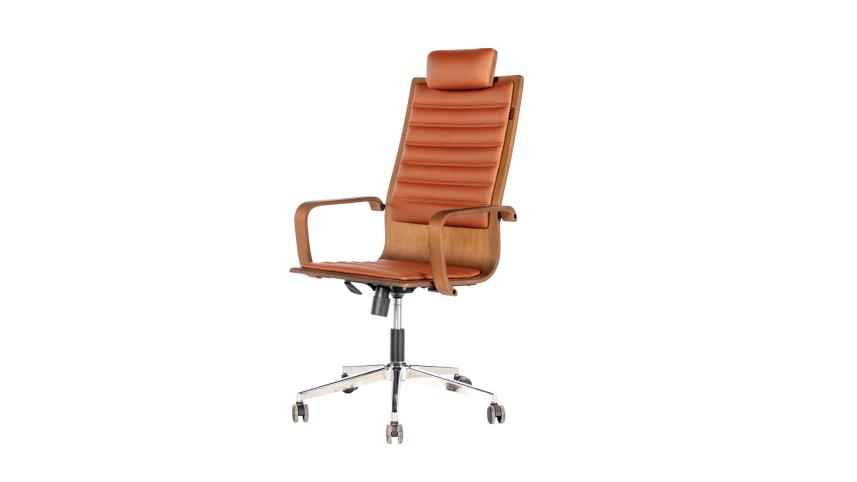
From crowded offices to long commutes, our physical movement has been reduced to a bare minimum. Long hours spent sitting and looking at screens have become the norm for this generation. It has come to a point where the appeal of ergonomic furniture has shifted from a sheer trend to a must-have need.
In an interview with The Daily Star, Dr Nazmee Kabir, an orthopaedic specialist, shared that back pain, neck pain and tailbone pain are now some of the most common issues among office workers and students. “These are the most common issues office workers and students come to us for. They usually sit for prolonged durations at a stretch, resulting in mechanical back and neck pain.”

That’s where ergonomic furniture comes to save us. Dr Kabir highlighted that the root causes of our problems are mostly lifestyle-related, pointing out issues such as “bad posture, slouching, sitting for long hours without breaks, spending long hours without proper back or neck support, sitting on hard chairs, looking down at books or gadgets for too long, and even looking up at computer screens for extended periods.”
According to Dr Kabir, ergonomic design helps maintain the spine’s natural alignment. She said in this regard, “Ergonomic furniture keeps the posture of a person neutral and flexible. But to deal with back pain, one still needs to avoid prolonged sitting. The most important features of an ergonomic chair are a back rest designed in a way that would support the natural curve of the spine, adjustable height, and adjustable headrest for neck support.”
Dr Kabir also elaborated on the importance of protecting knee health by keeping a small gap between your knees and the seat, to avoid pressure on blood vessels for long periods. She further advised keeping the computer screen straight at eye level to ensure you have a proper posture and reduced muscle fatigue.
She also warned that ergonomic workstations alone cannot prevent postural musculoskeletal problems if basic healthy habits are not followed, saying, “I would recommend ergonomic furniture to anyone who needs to sit for prolonged durations, but it also needs to be kept in mind that regular exercises and taking short breaks every 30 minutes are crucial.”

While awareness of the importance of ergonomics is growing, Bangladesh’s furniture industry still faces structural challenges, as described by Shafiqur Rahman, director of production and digital marketing at HATIL, in an interview with The Daily Star.
Rahman pointed out the limitations of the industry, saying, “When we talk about ergonomic features, certain tests are required to evaluate ergonomics or orthopaedic suitability, which are not available in our country.”
He emphasised that Bangladesh still lacks institutional support, saying, “The country still has no ministry or facility that certifies chairs or furniture. If such a testing body existed, our industry would benefit greatly.”
Because of the lack of such standard facilities, global certification becomes too costly for local furniture brands.
Despite these gaps, Rahman assured that HATIL has developed strong local alternatives. “We produce many ergonomic chairs locally, based on the Bangladeshi people’s height, body structure, posture, and lifestyle. These chairs have been produced for a long time, and now, they are in high demand.”
Affirming HATIL’s R&D department’s focus on comfort and long-term durability, Rahman said, “When designing, we ensure proper spinal alignment, correct seat banding, and lasting comfort.”
At the design end of the process, architects and designers often play a key role in shaping the ergonomic experience of the user.
Pinak Pani Saha, lead architect at ISHO, a design-driven Bangladeshi modern furniture brand, shared that when designing ergonomic furniture pieces, they mainly have to find a balance between two things: comfort and aesthetics.
He also expressed how maintaining both aesthetics and durability often becomes a challenge when prioritising ergonomic features, saying, “The challenge is designing furniture that is user-friendly, comfortable, durable, and at the same time, looks good. Sometimes it’s difficult, but in every design, we try to merge proper ergonomics with aesthetic appeal,” he remarked.
Saha noted that awareness among younger generations is rising: “There is a young customer group that is becoming increasingly aware. Many doctors recommend ergonomic furniture, especially study chairs and office chairs, and those customers visit our stores looking for such features.”
Designers often face a dilemma when designing chairs with ergonomic features. Take the example of the Aeron mesh chair.
Back in 1994, an American furniture company named Herman Miller launched its uniquely designed Aeron mesh chair. The mesh design and material looked unconventional because they did not have the usual plush padding seen in traditional office chairs. At first glance, assuming it would be disliked by the customers, many insiders rated it poorly. But as consumers actually began using it, they realised the mesh feature actually offered better support, improved posture, and kept them cooler during long hours. Soon, the perception shifted entirely — the Aeron chair went from being doubted to becoming a symbol of modern ergonomics, eventually turning into a must-have chair in most offices.
In retrospect, ergonomic chairs used to be an acquired taste, and designers often struggled to simultaneously maintain multiple priorities, i.e., aesthetics, comfort, and durability, into one piece.
 For all latest news, follow The Daily Star's Google News channel.
 Nowadays, several ergonomic features are offered in swivel chairs, tables, and even sofas, which help users maintain a proper posture, healthy movement, and better blood circulation, especially for people who spend long hours sitting.
The rule for purchasing furniture is simple: you must be able to move your feet, thighs, legs, neck, arms, and torso — and the furniture you are getting must support that movement.
For businesses and employers, prioritising ergonomic features in the office furniture can lead to increased job satisfaction and improved overall performance. As the working environment of most offices now demands more commitment from their employees, ergonomics is becoming more important than ever.
The cost of ergonomic furniture is justified, given that the cost of neglecting ergonomic features in furniture is far higher, due to chronic discomfort, reduced productivity, and health complications. Ultimately, it is not just about luxury, but about valuing your physical health now, before it becomes too late.
Photo: Hatil
Comments