


The Changing Canvas of our Eid traditions

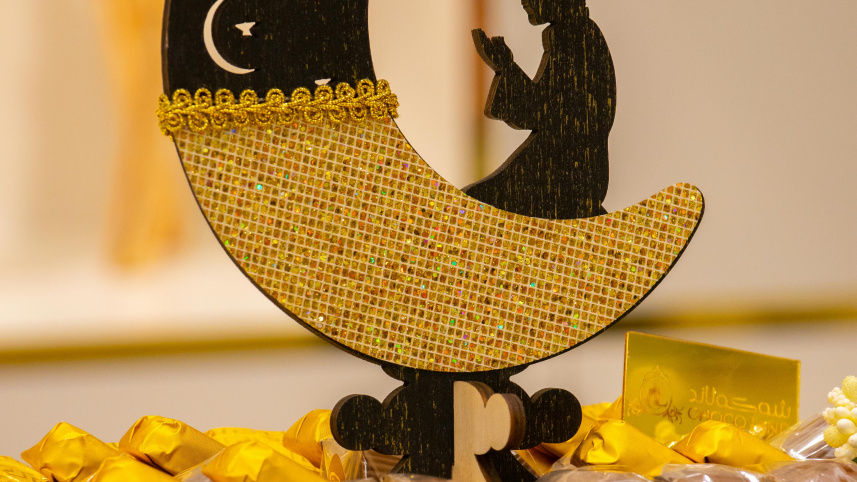
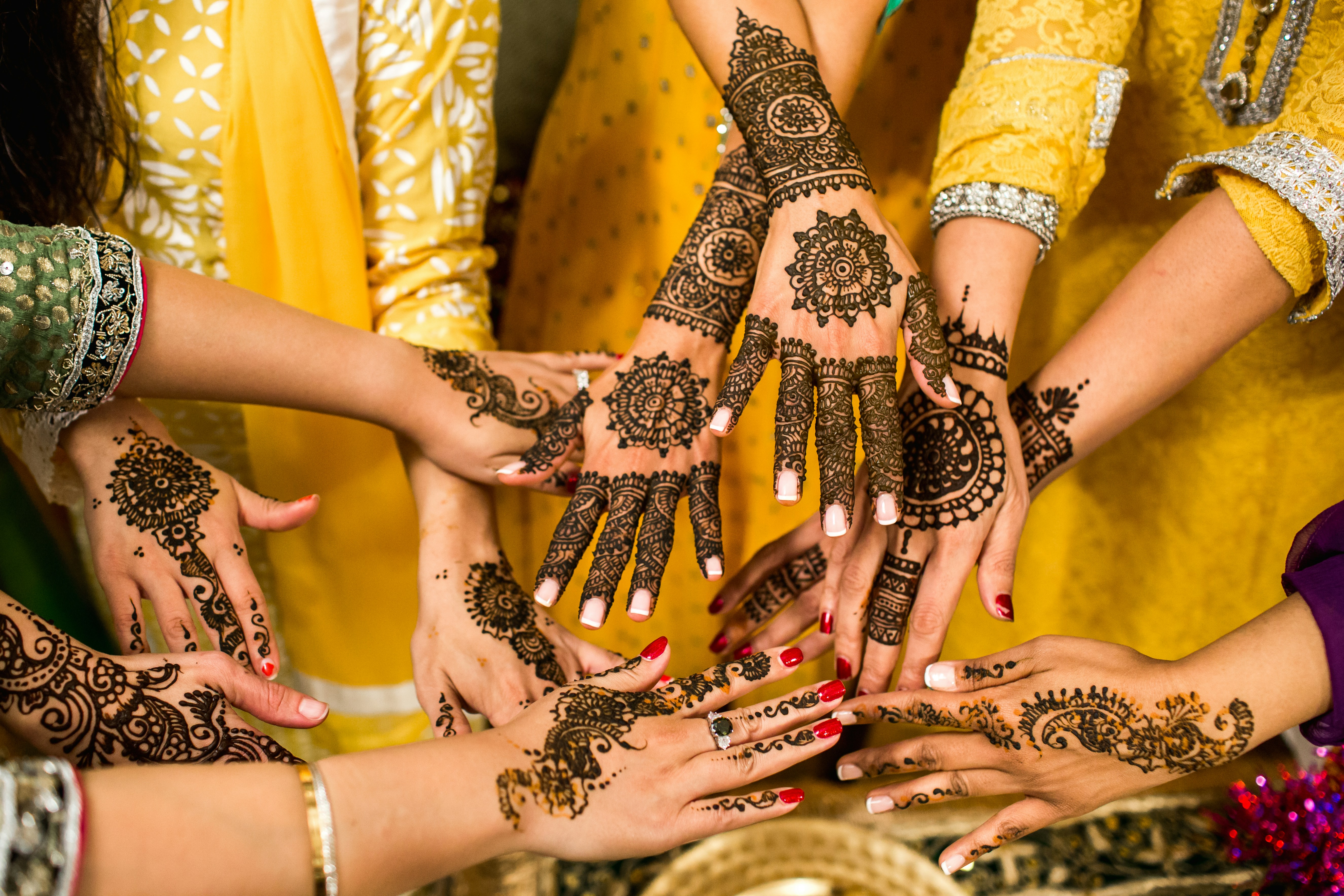
I remember a time when the arrival of the crescent moon was marked not by a notification on a smartphone, but by the frantic, joyful scent of henna. As a child, my Chand Raat was defined by a singular mission: sitting perfectly still while my older cousins traced intricate mandalas on my palms. The orange-red stain the next morning was the ultimate badge of festive honour. Fast forward to the present, and my role has shifted significantly. Now, the night before Eid is less about the cooling sensation of mehedi and more about the precision of matching the colours of new curtains, repositioning the sofa for maximum guest capacity, and cross-checking the grocery list to ensure the shemai has just the right amount of saffron.
This personal evolution mirrors a much larger transformation in how we celebrate. While the spirit of gratitude and community remains the bedrock of Eid-ul-Fitr, the "Eid Economy" and our cultural habits have undergone a digital and social revolution.
The Economy Of Festive Bonuses
In our household, the celebration begins when the festive bonus arrives as the invisible engine fuelling a massive consumption surge. According to economic reports by The Daily Star, Eid ul Fitr in Bangladesh generates a staggering turnover of approximately Tk 1.7 trillion. This includes around Tk 300 to 400 billion spent on clothing and retail shopping alone. The injection of cash from Tk 500 billion in salaries and bonuses, along with over $2 billion in remittances, does more than fund luxury. The money trickles down to tailors and local artisans through a massive garment trade worth Tk 200 billion. With about Tk 20 to 30 billion spent on electronics and appliances, this liquidity allows families to upgrade their lifestyle by purchasing a new refrigerator or finally replacing those ageing drawing room utensils I spent all afternoon polishing. It is a vital cycle of redistribution that ensures the joy of Eid is felt across all social strata.


From Bazaars to Digital Carts
Our spending has seen a seismic shift. While I recall the sensory overload of traditional bazaars with the heat and the haggling, "scrolling" has largely replaced "strolling". Digital platforms like Daraz, Arogga, Chaldal Ltd., and various Facebook-based boutiques now see a 20% surge in festive traffic. Online patterns have matured from small accessories to high-end designer outfits and heavy electronics. Buying my new drawing-room cushion covers through e-commerce saved me hours, giving me more time to help my mother with the menu. However, I must admit, I sometimes miss the tactile satisfaction of feeling the fabric between my fingers before making a choice.
The Era Of Digital Salami
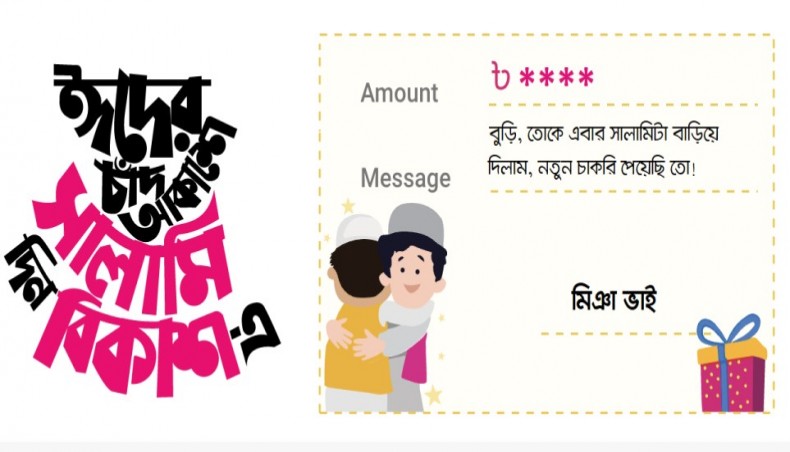
One of the most fascinating cultural shifts is the "Salami" or "Eidi" tradition. The image of a grandfather pulling out a crisp, new currency note from his pocket is being replaced by the "ping" of a mobile financial service (MFS) notification. Digital payments have become the backbone of the Eid season.
Whether it’s sending money to relatives in the village or paying the local butcher, MFS platforms like bKash and Nagad have democratised financial transactions. Even the kids are evolving; my younger nephew recently asked if I could "transfer" his salami to his video game wallet instead of giving him cash. While a part of me mourns the loss of the physical "new note" aesthetic, the transparency and ease of digital payments have undoubtedly made the logistics of Eid much smoother. It allows us to fulfil our zakat and fitra obligations with a single tap, ensuring that our charity reaches the needy instantly.
Fashion Gaps Between Generations
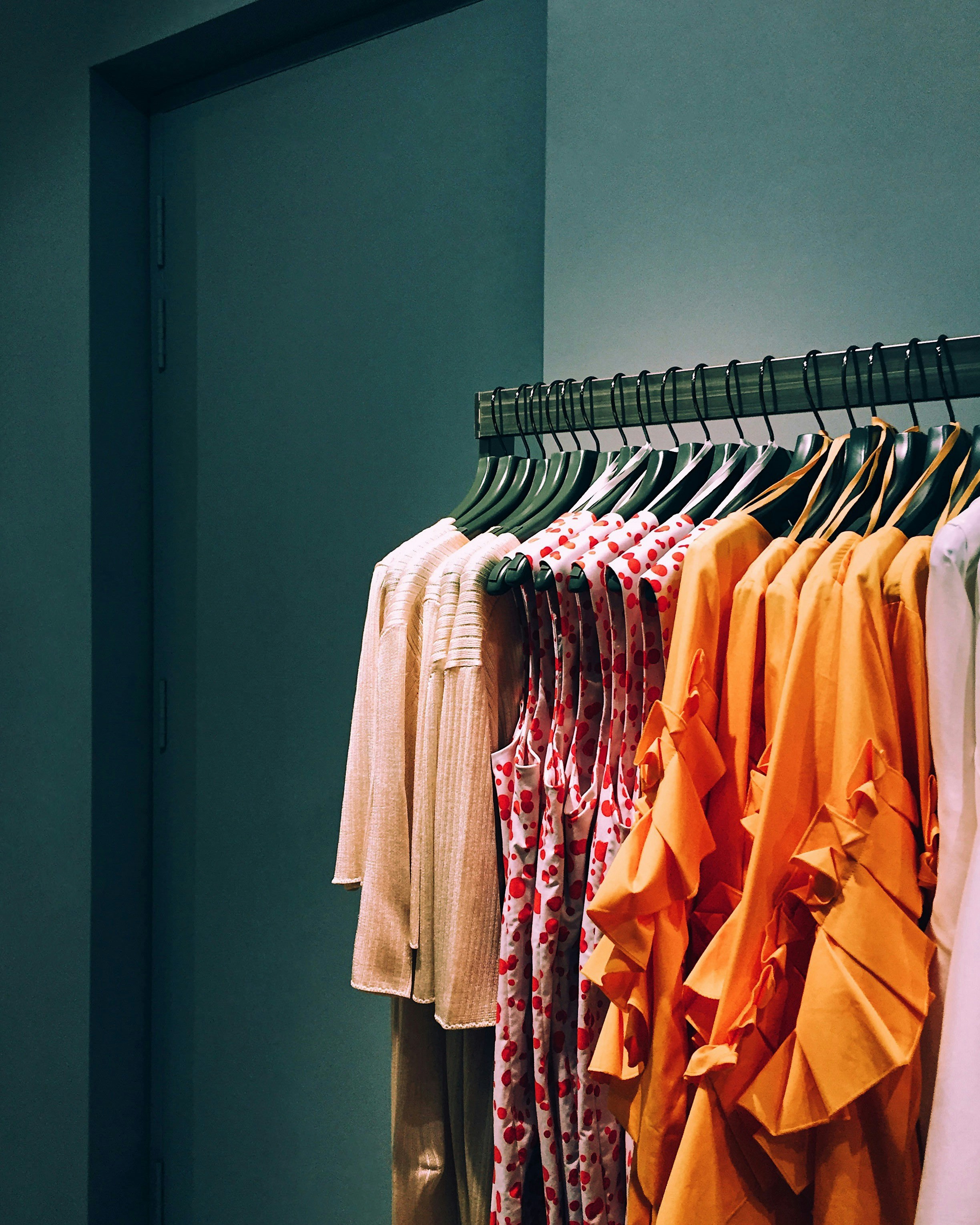
Every year, a gentle tug-of-war occurs in our house regarding what to wear. To my mother, Eid fashion is synonymous with timeless elegance containing heavy embroideries, traditional silks, and silhouettes that have stood the test of time. For the youth, however, the trend is leaning toward "minimalist fusion".
Gen Z and Millennials are increasingly opting for comfort and versatility. We see a rise in co-ord sets, kaftans, and breathable cotton lawns that can be reused long after the festival is over. Parents often expect a certain "glossy" look for the family photos, while the younger generation prioritises "aesthetic" looks that fit their Instagram grids. This clash is where the modern Eid wardrobe is born, with a blend of our parents’ expectations of modesty and tradition with our own need for contemporary expression. It is no longer just about the most expensive dress; it is about the most "you" dress.
Celebrating With A Greener Soul
Perhaps the most heartening change is the burgeoning conversation around a "Sustainable Eid". In the past, the focus was purely on abundance, with more food, more clothes, and more lights. However, there is a growing consciousness about the footprint we leave behind.
We are seeing a shift toward "slow fashion", where people choose quality over quantity, and a move away from single-use plastics during our large family dawahs. In my own home, we have started discussing food waste more seriously. Instead of an over-the-top menu that leads to leftovers being forgotten in the fridge, we are focusing on curated meals and ensuring that surplus food is distributed to local shelters in a dignified manner. This move toward mindfulness makes the festival feel more intelligent and spiritually grounded, rather than just a period of mindless consumption.
As I look at my hands today—free of the messy henna stains of my childhood but busy with the tasks of a modern homemaker—I realise that change is the only constant. Our shopping moved to screens, our money moved to the cloud, and our fashion moved toward the future. Yet, when we sit down at the table, the first bite of shemai still tastes exactly like it did twenty years ago. The tools of celebration have changed, but the heart of the celebration remains beautifully, stubbornly the same.
 For all latest news, follow The Daily Star's Google News channel.
Comments