


What the transport minister’s words really revealed
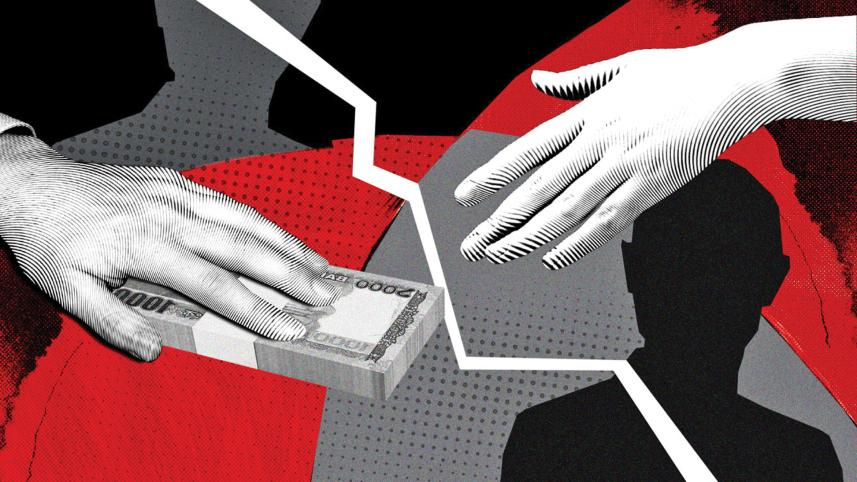
The recent remarks of the road transport minister—that collections by transport owners’ and workers’ associations often fund welfare rather than being chandabazi—triggered immediate outrage. Many interpreted the statement as an official endorsement of extortion and, therefore, a signal that the practice would continue unchecked. The reaction is understandable. Citizens are exhausted with arbitrary payments, informal tolls, and the daily cost of navigating an already difficult urban transport system. Yet before we settle, it is worth asking a hard question: what if the minister did not seek to legalise or sanitise extortion, but unintentionally described an informal system of governance that already operates alongside the formal state?
In some large residential neighbourhoods of Dhaka, entry of all rickshaws is not allowed. Pullers must wear a numbered jacket or badge issued by a local welfare association or committee; without which they cannot operate in the area. Obtaining that jacket requires a payment. Most residents rarely ask how much the puller pays, where the money goes, or why the system exists. Nevertheless, the arrangement produces visible outcomes: controlled entry, fewer conflicts, predictable fares, and a known group of operators accountable to local committees. It is neither a government licensing system nor a free market. It is something in between—a privately organised regulatory order that even informal battery-powered rickshaws struggle to displace.

Economists and sociologists describe such arrangements as informal institutions: systems of rules created by society when formal regulation is weak or unable to manage daily complexities. Bangladesh, like many developing urban economies, operates on two parallel structures. One is the formal state—laws, permits, taxation, police, and regulatory agencies. The other is negotiated order—associations, committees, unions, market groups, and transport organisations that coordinate economic activity where the state cannot intervene in real time. Transport associations belong to the second category. Many transport workers lack contracts, pensions, insurance, or workplace protection. In practice, associations often perform welfare: assisting injured drivers, resolving disputes, allocating routes, and supporting families after accidents or deaths.
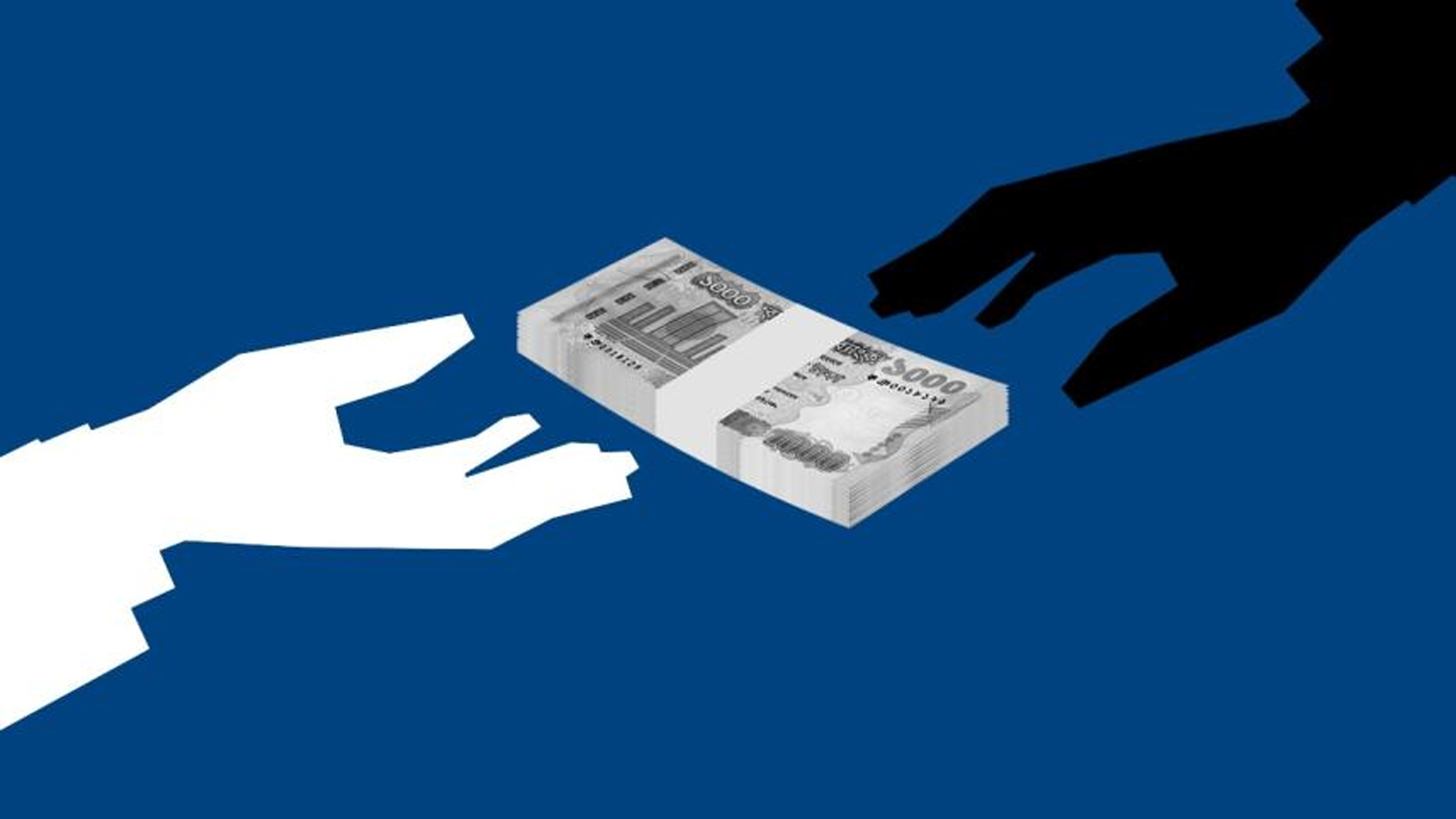
However, exploitation and abuse certainly occur. Even so, describing the entire phenomenon purely as crime fails to explain its persistence. A system that is only predatory rarely survives for decades. A system that provides some services—even imperfectly—often survives. History offers parallels: dockworkers in 19th-century ports, taxi operators in European cities, and medieval merchant guilds all collected compulsory contributions. They were criticised as coercive, yet many later evolved into regulated unions, licensing bodies, or social insurance systems. The uncomfortable truth is that when the state cannot simultaneously manage entry, discipline, dispute resolution, and worker protection, society creates substitutes.
Public anger is therefore not misplaced, but it may be misdirected. The question is not whether such collections exist—they clearly do—but whether they remain opaque and vulnerable to abuse. In transport systems with thousands of competing operators, a lack of coordination can create route conflict, passenger harassment, fare instability, and violence among drivers competing for limited demand. Informal regulation currently fills that coordination gap. The real choice is not between extortion and justness, but between unmanaged informality and regulated transition. The state can register associations, require transparent digital recording of collections, audit welfare funds, mandate accident compensation coverage, cap member contributions, and publicly disclose the use of funds, thereby transforming informal payments into transparent micro-levies linked to worker protection.
The minister also candidly acknowledged another uncomfortable reality: these informal structures are often influenced by actors associated with the political party in power. That admission, rather than weakening the argument for reform, strengthens it. Informal institutions become abusive precisely when they operate without accountability. Bringing them under transparent rules would not merely regulate financial collection; it would reduce political capture. The state’s role, therefore, is not to control these organisations nor to deny their existence, but to ensure fair participation, democratic internal processes, and protection from partisan dominance. In doing so, the government would shift from patronage to oversight, a transition essential for institutional maturity.
The controversy arose because the minister broke a familiar political script. Politicians usually promise elimination; he acknowledged existence and function. That acknowledgement sounded like acceptance, but it can also be read as an opportunity to confront a reality everyone experiences but rarely analyses. Bangladesh’s transport sector does not need denial—it needs transparency. If these collections function as a shadow welfare mechanism, policy should bring them into accountable regulation where protection remains, but exploitation diminishes. The real challenge is not simply ending chandabazi; it is building institutions strong enough that society no longer has to improvise. That is ultimately a governance problem, not merely a criminal one.
Nazbul H Khan is an independent analyst and op-ed contributor on South Asian affairs and governance. He is also the co-founder of the platform PART II.
 For all latest news, follow The Daily Star's Google News channel.
Comments