


The missing links in Bangladesh's deafblind support

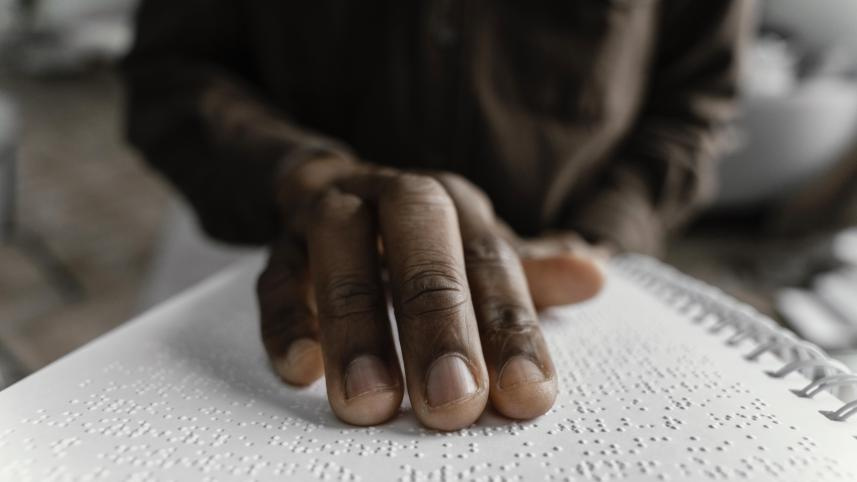
On June 27, 2026, the world will, for the second year, observe International Deafblind Day, which carries profound significance in the global disability rights movement. Formally recognised in 2025, this day commemorates the birth anniversary of Helen Keller, a legendary personality whose life and legacy remain an enduring symbol of resilience and intellect for an equal world. Marking this day is not merely a tribute to an extraordinary individual—it is also a call for action to recognise, empower and include persons living with deafblindness, one of the most marginalised communities.
Helen Keller, born on June 27, 1880, in Alabama, US, lost both her sight and hearing at just 19 months old following an illness. What could have marked the end of her interaction with the world instead became the beginning of an extraordinary journey made possible through determination and the remarkable guidance of her teacher, Anne Sullivan. The importance of her work is even greater in the present world.

Keller learned language through tactile communication, eventually mastering reading, writing and speech. Graduating from Radcliffe College in 1904, she became the first deafblind person to earn a Bachelor of Arts degree. Her story—immortalised in her autobiography The Story of My Life—continues to inspire millions, especially persons with disabilities, across generations.
Helen Keller’s contributions extended far beyond personal achievement for generations. She is regarded as an influential author, lecturer and activist, advocating for the rights of persons with disabilities, women’s suffrage, labour rights and social justice. She worked with organisations such as the American Foundation for the Blind, travelling globally to promote inclusive education and advance accessibility for persons with disabilities. Her life’s work dismantled narrow and parochial perceptions of disability and established a powerful narrative: persons with disabilities deserve equal rights and dignity.
Deafblindness is a unique and complex condition involving varying degrees of combined vision and hearing loss. It significantly affects communication, mobility, access to information and independent living. Persons with deafblindness often face multiple barriers simultaneously, making access to education, healthcare and employment highly challenging. Deafblind persons are frequently among the most marginalised, least visible and least prioritised within disability groups and frameworks.
Keller’s life embodies the aspirations of the deafblind community—autonomy, dignity and equal participation. Her monumental contribution lies not only in her personal achievements but in reshaping societal attitudes and upholding equal rights for all. By placing this international observance on her birthday, the day acquires an identity rooted in lived experience and advocacy rather than abstraction. This global recognition of International Deafblind Day, starting from 2025, represents a crucial milestone as it reflects an evolving understanding within the international community that specific disabilities require targeted recognition.
This observance will not only elevate awareness about deafblindness within broader disability discourse but will also encourage governments to collect data and develop dedicated policies and promote inclusive development aligned with the UN Convention on the Rights of Persons with Disabilities (CRPD). This year is an important year for disability rights movement across the world as 2026 marks the 20th anniversary of the CRPD’s adoption. The journey of two decades serves as a timely reminder of commitments made and the distance still to travel for ensuring equal rights of persons with disabilities, including deafblind persons.
Bangladesh’s Rights and Protection of Persons with Disabilities Act, 2013, recognises the rights of persons with disabilities. However, disaggregated data on deafblind persons remains very limited, contributing to their complete invisibility in national planning, resulting in their inadequate access to education, rehabilitation services, assistive technologies and livelihood opportunities.
The current government has demonstrated encouraging intent for advancing disability inclusion in the country. BNP’s electoral pledges emphasised strengthening rights, accessibility and social protection systems for persons with disabilities. The formation of a new, empowered committee on disability rights headed by the prime minister further signals institutional commitment. Recognising and observing International Deafblind Day with official significance, therefore, could be a strategic and impactful step for the new government and Bangladesh. This will play a role in reinforcing Bangladesh’s commitment to the CRPD, promote targeted policy development and services for deafblind persons, encourage collaboration with civil society and disability rights organisations and raise national awareness and reduce social stigma. Given the government’s stated priorities and reform momentum, this observance can translate commitment into concrete action.
Observing International Deafblind Day is not just the responsibility of governments. It calls upon policymakers to design inclusive systems; educational institutions to ensure accessibility; media to amplify voices and stories; civil society to advocate and collaborate, and citizens to foster empathy and inclusion. Above all, it demands that deafblind persons are placed at the centre of the decision-making process as their lived experiences matter greatly.
Finally, we can either allow persons with deafblindness to remain among the most invisible, or we can lead by example in ensuring dignity, accessibility and opportunity for all, especially with the new government in power. Let June 27, therefore, not be just a day of remembrance, but a turning point because Helen Keller showed us the way over a century ago.
Ayon Debnath is campaign adviser at Royal Commonwealth Society for the Blind-Sightsavers.
Views expressed in this article are the author's own.
Follow The Daily Star Opinion on Facebook for the latest opinions, commentaries, and analyses by experts and professionals. To contribute your article or letter to The Daily Star Opinion, see our guidelines for submission.
 For all latest news, follow The Daily Star's Google News channel.
Comments