


What lies behind the Jamaat chief's 'civil war' remark?

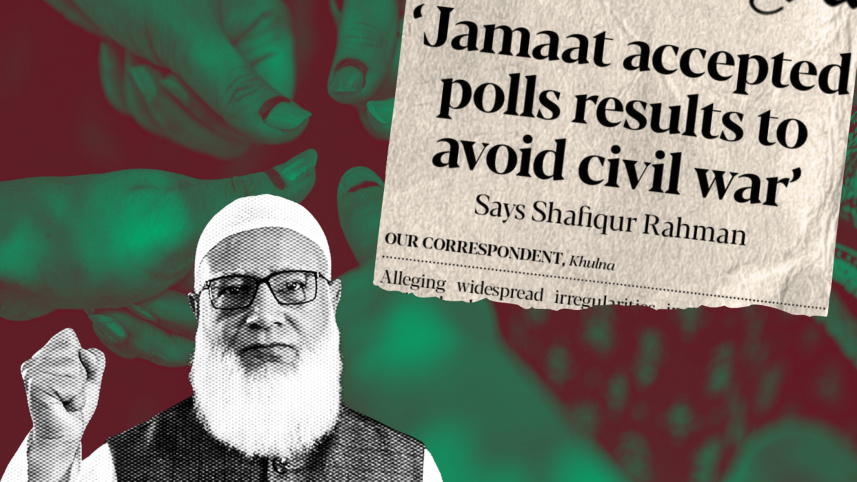
It is customary for politicians to campaign against the other side: the opposition speaks against the government and the government against the opposition. It is not unusual for the opposition to wage strong campaigns against the government either. After all, the ultimate goal of any party is to highlight the shortcomings of the ruling party and win the next election. So, it is quite understandable that the incumbent leader of the opposition rails against the government in his public speeches. But when he says, as he did early this week, that they had accepted the February 12 election results just to keep a civil war from breaking out, it sits uncomfortably beyond the normal line of political rhetoric.

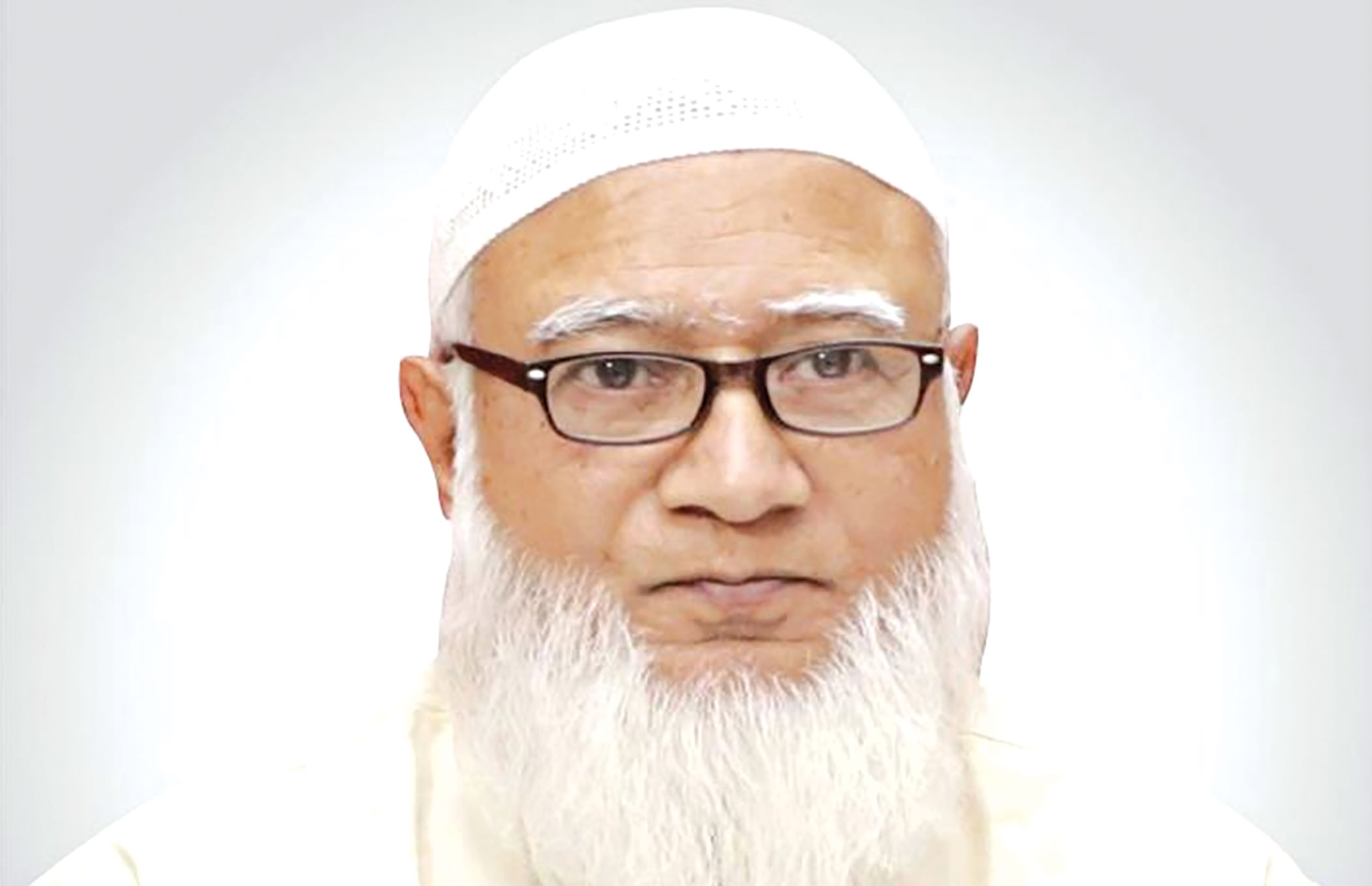
It means that Shafiqur Rahman, the chief of Jamaat-e-Islami, is hinting at something far more dangerous than just a political campaign. But before even getting there, one should perhaps first examine what is manifestly implied by the statement, “We don’t want disorder in the country. We love the country. With immense pain in our hearts, we accepted the election results. But let no one think that we accepted them out of fear; we did so to prevent the country from descending into a civil war.”
Here, the Jamaat leader is all but alleging that the election was rigged or, at least, that there were widespread irregularities. That is a rather curious suggestion to make more than four months after the national polls that were, by and large, acknowledged as peaceful, fair and participatory. Granted, Jamaat had sought a recount in 32 constituencies where they believed narrow defeats were the result of counting errors. However, that only came after the gazette was published and, notably, the party had not registered their complaint at the polling centres where they were supposed to. The results were not reversed. But Jamaat’s actions surrounding these seats, the timing of their protest, and the manner in which they did it have always belied that it was merely political theatre. Had they been sincere about the recounts, the party’s representatives would have protested at the polling centres and demanded recounts where they had the prerogative. Instead, they waited until the gazette notification to file their complaint. Further, such an issue could have been raised at the election tribunal, where it could have been duly resolved, or at the dozens of public rallies since the election in such a forceful manner.
But now the Jamaat chief raises this issue again, indicating that the 32 seats were indeed significant. So significant that the party, in an alternate scenario, would put up a strong fight to secure what they deemed due—strong enough that it might lead the country down the path of a civil war.
That remark, besides revealing a disturbing proclivity for violence, also indicates something deeper. It shows that Jamaat is not quite the vocal opposition that we need in the interest of a vibrant parliament. It is conflating its own interests with those of the entire nation; why else would a civil war even be contemplated? The remark also betrays a confidence the Jamaat chief had that he could command enough forces that could be unleashed but were held back. Does it suggest that he might not next time? One is, therefore, wont to wonder what possible reason a political party could have to potentially possess such forces as to trigger a civil war.
Surely, the opposition leader is not trying to make himself so inconsequential that we roundly dismiss his public speeches as mere theatre? In that case, even floating the idea of such violence, especially so soon after the bloody political changeover of 2024, sounds irresponsible at best, and sinister at worst.
Shafiqur Rahman continued his speech to invoke his predecessors who, as he put it, had walked the gallows and smirked at the noose. These leaders, he said, had taught how to lay down one’s life for one’s country. These predecessors that the Jamaat leader invoked were hanged for war crimes during Bangladesh’s 1971 Liberation War. They had collaborated with the Pakistan Army and were punished for heinous crimes such as murder, arson and rape. Jamaat had actively opposed the liberation forces of Bangladesh in 1971 and the party’s leaders were hanged for their misdeeds. The party may well contest those war crimes trials and they may well question the entire legal process, but these verdicts have not been challenged at any competent court, let alone reversed. But when the current Jamaat leader threatens a civil war while invoking the very party leaders who had once opposed Bangladesh, it begs the question whether it is their ideals that he also champions.
Both Jamaat and its student wing have demonstrated time and again that neither is ready to wean themselves off their once-tainted past and former leaders when they hail those leaders as martyrs in photo exhibitions and propose condolence motions in parliament. Hence, when Shafiqur Rahman says he seeks forgiveness for the “mistakes” that his party members have made since 1947 (when Jamaat was founded), without clearly acknowledging their roles in 1971, it becomes difficult to accept that apology in good faith. Instead, those “semi-apologies” feel rather like attempts to placate public emotions. Jamaat has spent decades trying to shed their 1971 legacy but never turned around to face it head-on. Until they do, the albatross may continue to hang from their neck.
Regardless, Jamaat is currently the main opposition in parliament, which is a grave responsibility. As such, even the party’s staunchest detractors would like them to succeed in their role as a watchful and worthy opposition. This is also a unique opportunity for the party to serve the country. But vitriolic pronouncements like the above may fail them even as they have just embarked on this new journey. It does not suit the main opposition, nor does it bode well for the future of our democracy.
Tanim Ahmed is digital editor at The Daily Star.
Views expressed in this article are the author's own.
Follow The Daily Star Opinion on Facebook for the latest opinions, commentaries, and analyses by experts and professionals. To contribute your article or letter to The Daily Star Opinion, see our guidelines for submission.
 For all latest news, follow The Daily Star's Google News channel.
Comments