Re-reading Nizamuddin Auliya in history and memory

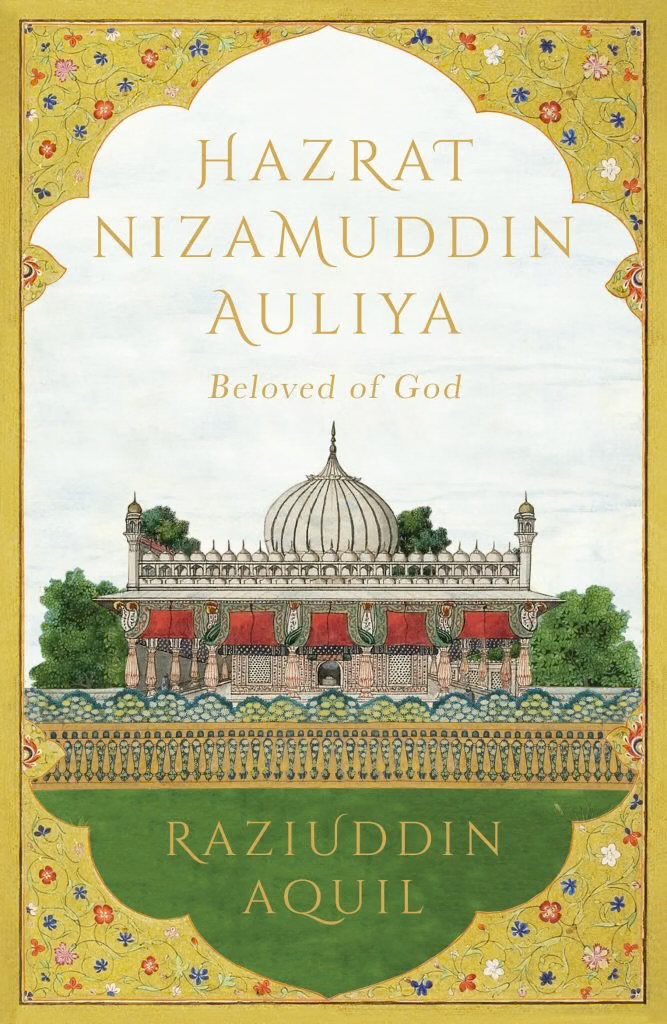
The Daily Star (TDS): What inspired you to write a new biography of Nizamuddin Auliya despite the many hagiographical accounts and the influential work of K. A. Nizami?
Raziuddin Aquil (RA): Sufi saints have been venerated by large numbers of devotees and ordinary people throughout history and down to the present day. There is a continuous need for credible and authoritative accounts of the lives of popular saints such as the medieval Chishti Sufi, Nizamuddin Auliya. A new biography of Hazrat Nizamuddin was much needed, both as a result of academic historical research and for general readers. Professor Nizami’s book, an academic biography, was published over three decades ago. There is no good full-length contemporary biography of the saint. The same is true for Muinuddin Chishti of Ajmer and other Sufi masters of the thirteenth and fourteenth centuries. Even someone like Amir Khusrau deserves a good scholarly biography, both as a product of serious academic research and as a work written for general readers wanting to know more about him.
My own method as a historian of the Sufi tradition is to go back to medieval Sufi literature, which exists as a vast corpus in several different languages and genres, and interpret the relevant material for serious readers, academic or otherwise. For Nizamuddin’s life as a Chishti Sufi saint, reliable historical sources are available from his own time. His close disciples and friends, such as Amir Hasan Sijzi, Amir Khusrau, Amir Khwurd Kirmani, and Ziauddin Barani, left behind a huge corpus of material displaying the saint’s credentials as a charismatic personality. Of these, Fawa’id-ul-Fu’ad (a collection of the spiritual conversations of Hazrat Nizamuddin, compiled by Amir Hasan Sijzi) and Siyar-ul-Auliya (a vast biographical dictionary of Sufi saints written by Amir Khwurd Kirmani) are particularly valuable. All we need to do is return to such early texts in order to write a credible new biography of the saint, which is what I have tried to do in my book.
TDS: Nizamuddin Auliya was born in 1238 in Badaun, in present-day Uttar Pradesh, shortly after his family had migrated from Bukhara in present-day Uzbekistan to Hindustan in the wake of the Mongol invasions. Like many influential Sufi saints, Nizamuddin Auliya’s life later became layered with folklore and popular legends that blurred the line between history and spiritual imagination. How should we understand his early years within the wider political and cultural world of North India and Delhi?
RA: The irruption of Genghis Khan’s Mongol hordes created a huge crisis in Central Asia and Iran in the early thirteenth century. It witnessed both genocidal massacres and the mass migration of people seeking to save their lives. These developments are reported on a humongous scale. Just as the Mongols were considered hellfire unleashed by a wrathful God, mercifully, a safe haven called the Delhi Sultanate was also founded around the same time. Large numbers of people immigrated to India when Sultan Qutbuddin Aibak and Sultan Shamsuddin Iltutmish were establishing the Sultanate, with its capital in Delhi, on a firm footing.
In the decades to come, Delhi was to become a major stronghold of Islam, with the towering Qutb Minar and the adjacent magnificent buildings heralding the beginning of a new era. The Minar itself was named after the contemporary Chishti Sufi saint, Qutbuddin Bakhtiyar Kaki. Himself an immigrant from Central Asia, Bakhtiyar Kaki was the leading spiritual successor of Muinuddin Chishti. Bakhtiyar Kaki’s successor, Fariduddin Ganjshakar of Punjab, was the Chishti predecessor of Nizamuddin Auliya.
The political and cultural history of this period, the thirteenth and fourteenth centuries, is very well documented and studied. The early Chishti saints were living legends in their own time, with large numbers of followers thronging their hospices (called jama’atkhanas, which were smaller complexes compared to the large monastery-like khanqahs) during their lifetimes and, subsequently, to their shrines or tombs (dargahs). Contemporary Sufi literature testifies to the widespread popularity and veneration of these saints. Later traditions built upon these resources, transmitted both orally and in writing.
TDS: Could you discuss Nizamuddin Auliya’s engagement with Islamic learning and how it contributed to his rise as one of the leading Pirs of the Chishti order? Although he grew up in poverty and initially aspired to pursue a career as a qazi or judge, he eventually turned towards Sufi spirituality.
RA: As legends associated with the charisma and spiritual power of Nizamuddin Auliya spread, many anecdotes from folkloric traditions began to be linked with his life, which cannot be entirely discarded either. People believe what they believe. But as a historian of the Chishti tradition, and especially of the extraordinary ethical Sufi career of Nizamuddin Auliya, I do not subscribe to the ahistorical attribution of a criminal past to the saint.
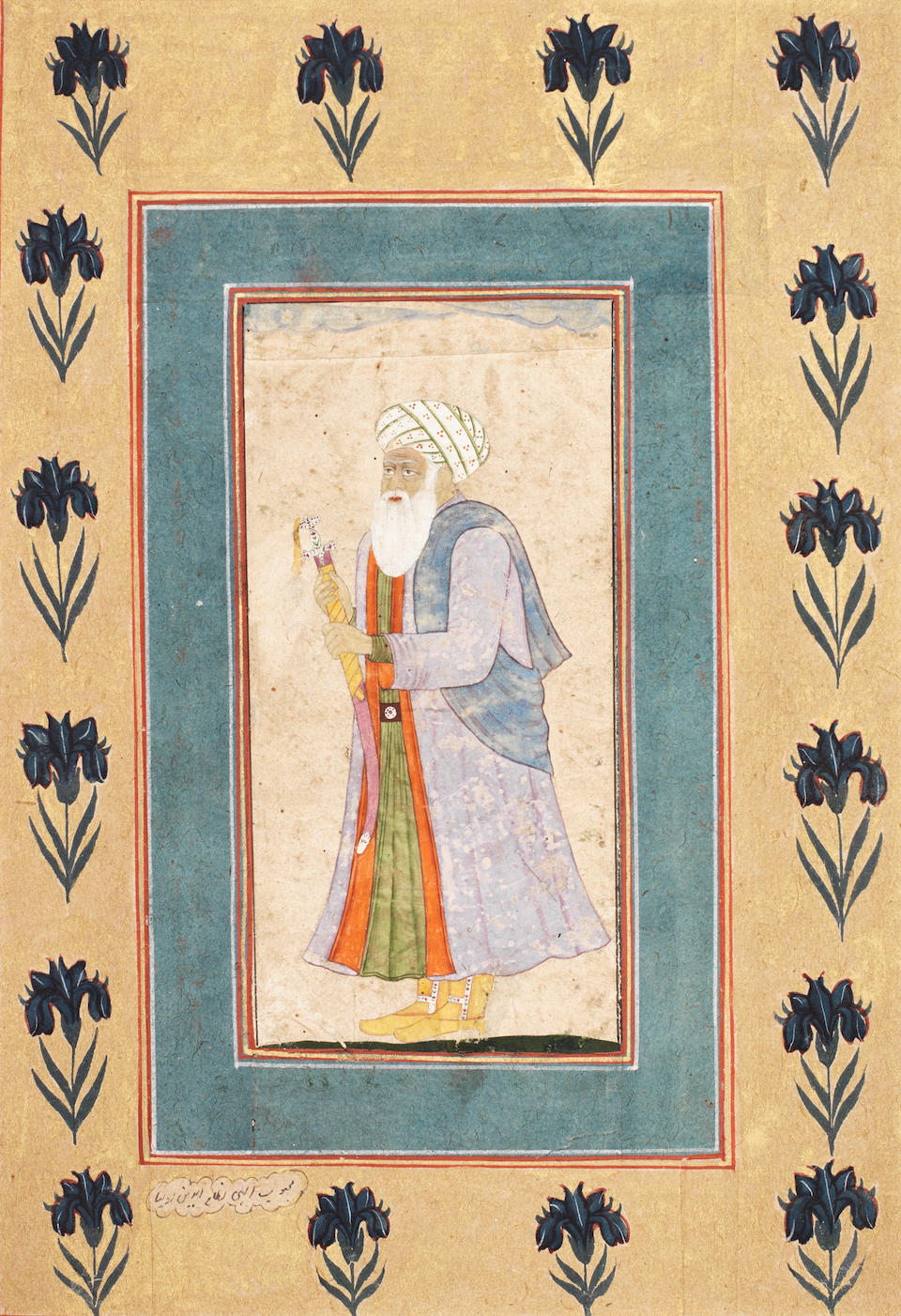
After receiving a fine early education in Badaun, under the watchful eyes of his widowed mother and some of the best teachers around him, Nizamuddin moved with his family to Delhi, where he completed his higher education in the traditional Islamic sciences, specialising in traditions related to Prophet Muhammad (hadis or hadith). As would normally be expected, he subsequently aimed for a career as a teacher or in government service as a judge (qazi), as he himself is reported to have told Shaikh Najibuddin Mutawakkil, a brother of Baba Shaikh Fariduddin Ganjshakar. The two brothers quickly decided that Nizamuddin would be the one to carry the Chishti order (silsila, or spiritual lineage) forward into future generations.
He was highly educated, led a pietistic life, abhorred worldly greed, and possessed a mystic bent of mind. In sum, he was Sufi material of the highest order. The next half century or more saw Nizamuddin guiding the spiritual life of the city of Delhi, with his spiritual representatives (khalifas), disciples (murids), and general followers carrying forward his teachings to large parts of the subcontinent, including Bengal in the east and the Deccan in the south. A new spiritual language had emerged, offering relief and solace to large sections of people in varied contexts, often shaped by political havoc or harsh social conditions.
TDS: Nizamuddin Auliya is often remembered for keeping his distance from Sultan Alauddin Khalji. Was this primarily a reflection of his ascetic outlook and distrust of political power and material wealth, or were other tensions also at play? Why was the Sultan so determined to meet him? Was it simply an assertion of royal authority, or part of a broader attempt to secure spiritual legitimacy through association with influential Sufi figures?
RA: Nizamuddin Auliya had a difficult relationship with several Sultans of Delhi, including Alauddin Khalji, which I have discussed in my book. These encounters often led to serious tensions between the Khwaja and the Sultans. In most cases, the antagonists either had to withdraw or met disastrous ends, attributed in Sufi tradition to the curse of the saint. Sufis were authoritative figures in society, with large followings and a vast sacred geography (sometimes called wilayat) under their spiritual command. This could threaten the authority of the Sultans within their own political territory (also called wilayat).
In Alauddin Khalji’s case, he saw that not only his nobles, but almost his entire family, had become disciples of Nizamuddin Auliya. The Sufi saint, however, avoided meeting him. This only deepened the Sultan’s suspicions. He is reported to have threatened to visit the saint. Nizamuddin famously retorted that he had two doors in his house: if the Sultan entered through one, he would leave through the other. He also assured the ruler that whereas the latter’s duty was to conquer and govern, his own role was to pray for the Sultan’s success, for which an in-person meeting was unnecessary.
Following Chishti practice, Nizamuddin wished to avoid direct political involvement and the possible disgrace that might come to a saint of his stature. The arrogant Sultan was perhaps satisfied with this position of the saint, for no serious violence in this case is reported. This was also an exercise in maintaining distance between religion and politics. Sufis could take care of the spiritual life of the people, while rulers focused on governance. These distinctions have not always been maintained in politics and history, often leading to serious difficulties for the people.
TDS: How did later medieval historians, particularly those attached to royal courts, portray Nizamuddin Auliya and other dervishes? To what extent did Muslim rulers seek to draw upon or appropriate his spiritual authority and legacy for political purposes?
RA: The Tughlaq Sultan Ghiyasuddin Tughlaq created considerable trouble for Nizamuddin Auliya, and so did his son, the more despotic Muhammad bin Tughlaq, for Nizamuddin’s successor in the Chishti order, Nasiruddin Chiragh Dehlavi. In popular belief, Ghiyasuddin died a sudden and violent death following a curse from Nizamuddin. Returning from a campaign in Bengal, Sultan Ghiyasuddin had sent a farman, or royal order, to Hazrat Nizamuddin, asking him to vacate Delhi before the former arrived in the capital. Nizamuddin famously replied: hunuz Dilli dur ast — that is, Delhi was still far away for the ruler.
As it happened, the Sultan died while camping overnight in a village outside Delhi, when the hastily erected pavilion collapsed upon him. Whether it was an accident or a political murder in which his own son, Muhammad Tughlaq, was complicit remains a matter of speculation. But Nizamuddin’s followers regard it as the just elimination of a Sultan who had incurred the wrath of the Sufi saint: a curse.
Later traditions reveal deep respect for Nizamuddin’s shrine among rulers, including the Mughal Empire from the beginning of the sixteenth century. The first thing the founder of the Mughal Empire, Babur, did upon reaching Delhi after his victory at the First Battle of Panipat on 21 April 1526 was to visit Nizamuddin’s dargah. Later, Humayun's Tomb was built in close proximity to the dargah for the same reason: association with the blessed spiritual environment of the vicinity.
TDS: How should we understand the place of Nizamuddin Auliya, his master Fariduddin Ganjshakar, and Muinuddin Chishti within the wider Chishti tradition? Did the Chishti order emerge as a distinct and influential Sufi tradition during Nizamuddin’s lifetime, or did that consolidation take place later? What, in your view, distinguished the Chishti silsila from other Sufi orders in India, particularly in relation to its strong association with music and qawwali?
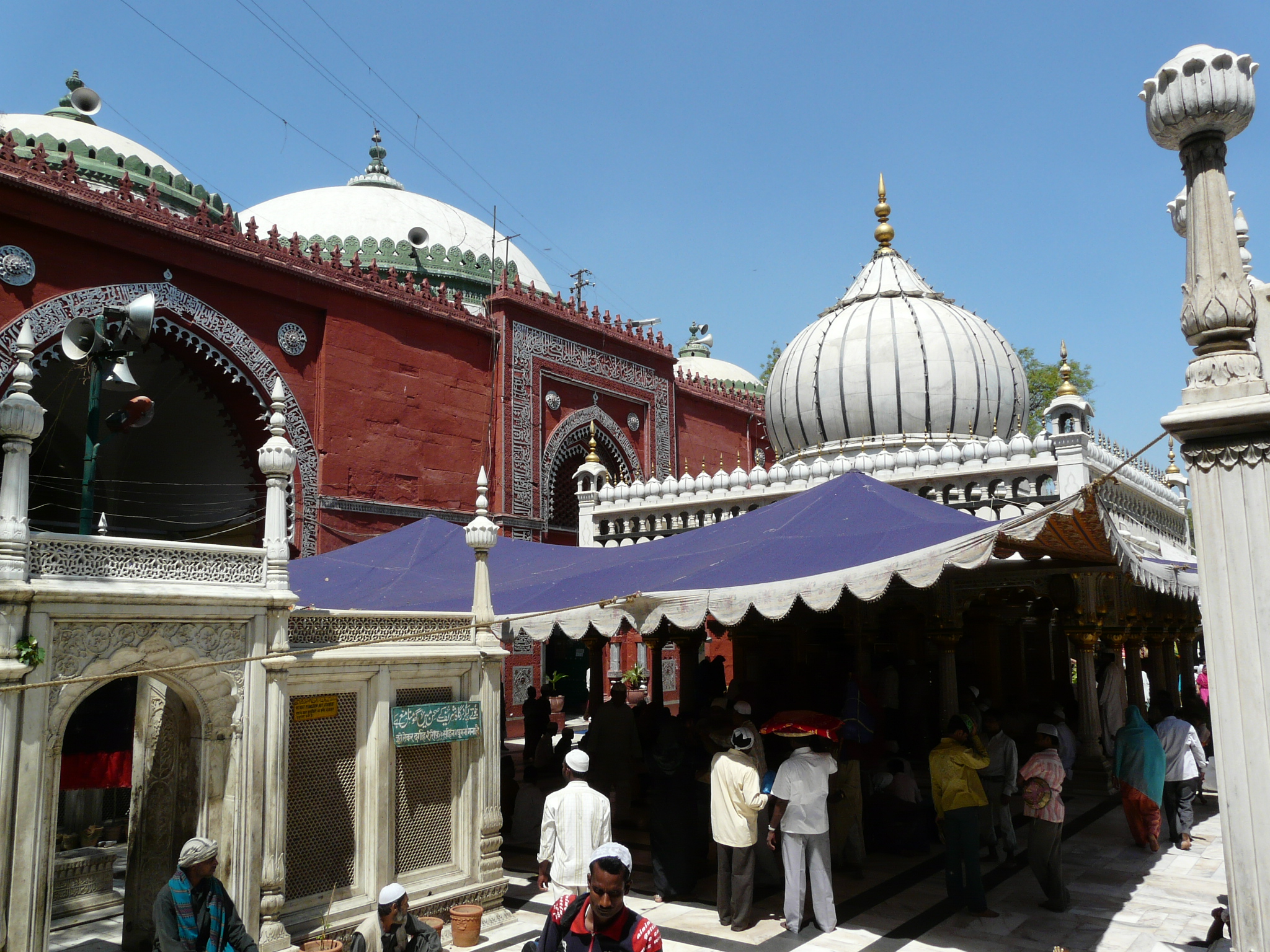
RA: The first cycle of great Chishti Sufi masters — Muinuddin Chishti, Qutbuddin Bakhtiyar Kaki, Fariduddin Ganjshakar, Nizamuddin Auliya, and Nasiruddin Chiragh — together form part of the glorious Chishti tradition. All of them excelled as distinguished spiritual leaders of their time: ethical, compassionate, and committed to carrying forward the practices and teachings of their silsila. Love for God and service to humanity were among the cardinal principles of Chishti Sufism.
Hazrat Nizamuddin’s location in Delhi, which has remained the seat of political power for much of the period since the thirteenth century, was particularly important and almost central in significance. Nizamuddin shaped the Sufi tradition not only for the Chishtis, but also as a much-respected saintly figure across most mystical orders. I have written in my book about his defence of listening to Sufi qawwali as a legitimate practice within Islam, despite opposition from sections of Hanafi Sunni Muslim scholars (traditionally called ulama). Sufis retorted that there was nothing un-Islamic about Sufi music, and that only donkeys had no taste for music. When provoked, some even went a step further and claimed that even donkeys enjoyed music.
TDS: Could you discuss the relationship between Nizamuddin Auliya and Amir Khusrau, the celebrated poet, musician, and court figure under Alauddin Khalji, who also became one of his closest disciples? How did this relationship develop over time, and how did Khusrau’s literary and musical creativity contribute to the spiritual and cultural world surrounding Nizamuddin?
RA: Amir Khusrau’s presence as the closest disciple of Hazrat Nizamuddin Auliya is of immense significance in debates surrounding the validity of Sufi poetry and music. Khusrau’s role as a pioneering figure in Hindustani classical music is also of considerable importance. The invention of several forms and genres, including innovations in musical instruments, is particularly celebrated. Modern qawwals venerate him as a father-like figure in their tradition. Some even claim descent from qawwals trained by Khusrau under the patronage of Hazrat Nizamuddin himself.
Khusrau’s Persian love poetry (ghazal) and his popular Hindustani kalaam were all shaped and guided by Nizamuddin. Even though Khusrau worked for the despotic Delhi Sultans and composed works praising their conquests and rule, his long association with Hazrat Nizamuddin and his burial within the dargah complex, following the deaths of both the Sufi master and the disciple within months of each other in 1325 CE, are of immense significance in both tradition and history. As mentioned earlier, there remains a need for a good full-length biography of Amir Khusrau for a more informed appreciation of his life and career.
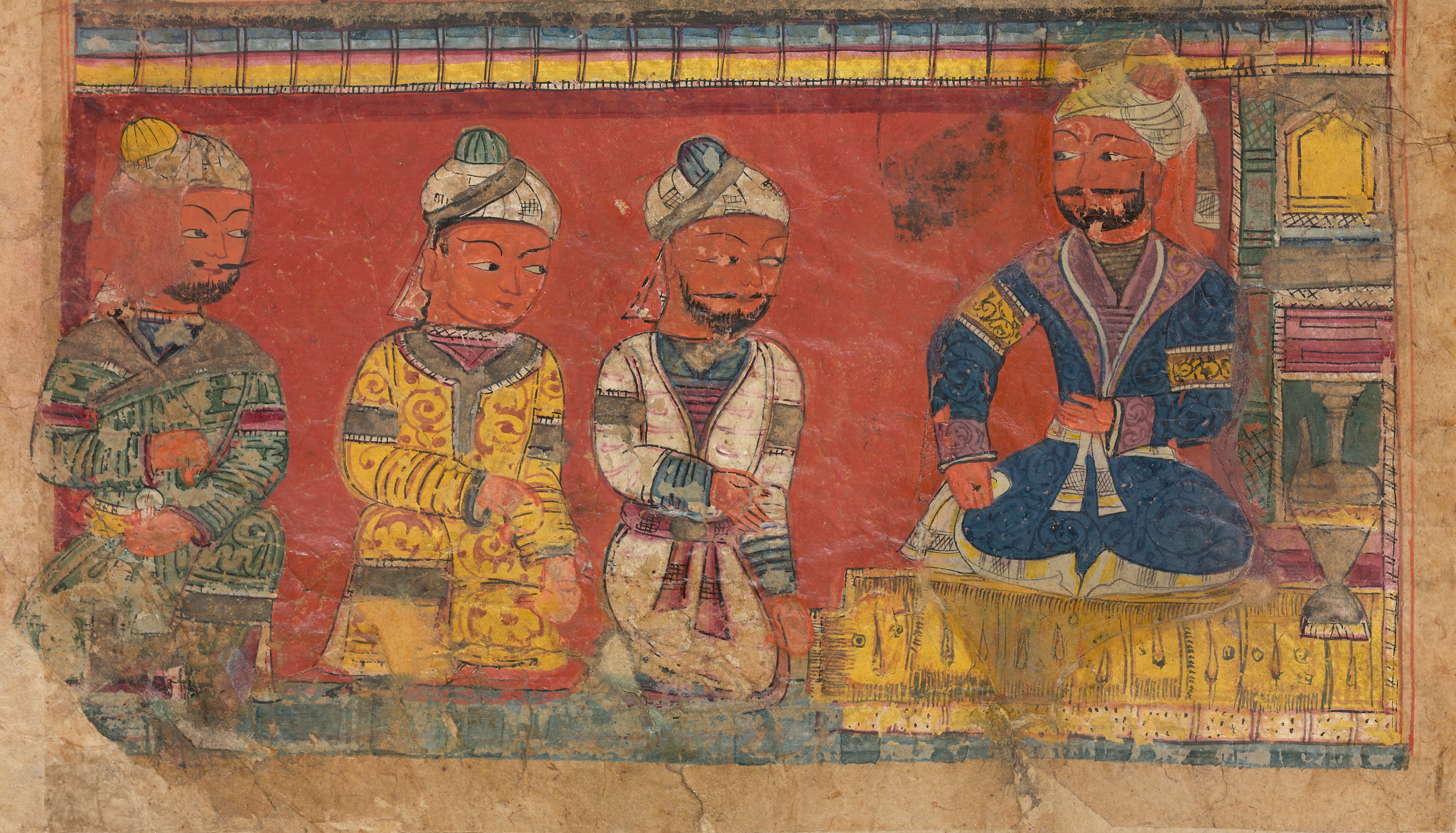
TDS: There is a popular tradition that Shah Jalal of Bengal, who is believed to have travelled from Yemen through Delhi, met Nizamuddin Auliya and received from him two pigeons later known as “Jalali Kabutar”. How historically credible is this account? More broadly, was there a direct connection between Nizamuddin and the spread of the Chishti tradition in Bengal?
RA: The possibility of Shah Jalal Mujarrad meeting Hazrat Nizamuddin Auliya in Delhi cannot be ruled out. Shah Jalal was a younger contemporary of Nizamuddin Auliya. But I am not aware of any recorded evidence from the period confirming reports of their meeting or anecdotes associated with it. Nevertheless, Nizamuddin was deeply revered in Bengali Muslim spiritual imagination even during his lifetime.
As a spiritually inclined and precocious young child, Akhi Siraj was brought from Gaur to Nizamuddin’s hospice to become his disciple. The saint obliged, but also ensured that he remained there for his general education and training in Sufi practices before returning to Bengal to spread the Chishti message of love and peace among the people. Akhi Siraj’s spiritual successor as a Chishti Sufi in Bengal, and probably also his son-in-law, Alaul Haq of Pandua, along with the latter’s son and successor, Nur Qutb Alam, further spread Chishti teachings in Bengal.
These three generations of continuous links between Hazrat Nizamuddin and his Chishti representatives are known to have played significant political and cultural roles in Bengal. They served people seeking blessings and benediction, led simple ascetic lives as Sufi faqirs, and at the same time enjoyed considerable prestige, enabling them to intervene in political developments when necessary, as in the famous case of saving the Bengal Sultanate from complete takeover by the powerful Raja Ganesha in the early fifteenth century. Early examples of Bengali Muslim language and literature also emerged around these influential Chishti Sufis of Bengal. The connection between Sufism in Bengal and reverence for Hazrat Nizamuddin has continued down to the present day.
TDS: How should we understand the broader and enduring influence of Nizamuddin Auliya across the Indian subcontinent, particularly in shaping relations among communities of different religions and faiths, as well as the internal spiritual and social dynamics of Islam itself?
RA: Sufis have historically presented a kinder face of Islam, especially when compared with the violence and terror unleashed in the name of religion. Service to humanity, being regarded as the highest form of prayer, led Sufis, as spiritually evolved human beings, to devote themselves to the love of God and the service of all His creations. Nizamuddin’s life and teachings present him as a leading exemplar, alongside his Chishti predecessors and successive generations of those who upheld his tradition.
Historically, and down to the present day, visitors to his dargah have included all kinds of people — criminals, thugs, politicians, ministers, ordinary men and women, and members of transgender communities — seeking blessings and benediction. The spiritually imbued atmosphere of the shrine leaves no space for distinctions of caste or class. All are equal in partaking of the blessed food at the shrine and in listening to the soul-stirring qawwali performances. All of this remains within the bounds of the shari‘at, or Islamic practice, however strictly defined.
It is no wonder that regimes have changed and reformists have come and gone, yet the Chishti message of respect and prayers for all beings has endured. On any given evening, especially on Thursdays and during the week of the urs celebrations (the death anniversary of the saint), one can hear the keepers of the shrine invoking the saint’s blessings and praying for the legitimate hopes and aspirations of everyone: Hindu, Muslim, Sikh, Isai — sabke jayez armaan puray hon.
Since it is believed that saints never truly die, but instead rest in their graves, and because of their perceived closeness to God — as friends, lovers, or beloveds of the Divine — they are believed to possess miraculous powers (karamat) to work for the welfare of the public, irrespective of whether visitors explicitly ask for anything or not. The blessed presence of a Sufi or his shrine is regarded as a source of blessing and solace, barkat and raahat. All of this has a long history, and there is little threat to its continuation for a long time to come. Sufis cultivated both the heart and the disciplined body. The desire to know more about them will persist.
The interview was taken by Priyam Paul, who is a journalist and researcher.
Send your articles for Slow Reads to slowreads@thedailystar.net. Check out our submission guidelines for details.
APO 433: Dhaka’s forgotten post office of World War II
Dadabhai Naoroji: The man who exposed the economics of British colonialism
Untold stories of 1971 through private letters
The extraordinary journey of Atish Dipankar Srigyan

Forgotten story of Jeanette Van Tassel, the American woman who flew over Dhaka in 1892
Beyond 1947 / A personal essay
Abul Mansur Ahmad / A global quest in search of a nation

Chand Bibi and the forgotten history of Muslim women’s political resistance
Women’s voices in Nazrul’s Dhumketu