The Australian doctor who witnessed what Bangladesh wanted to forget
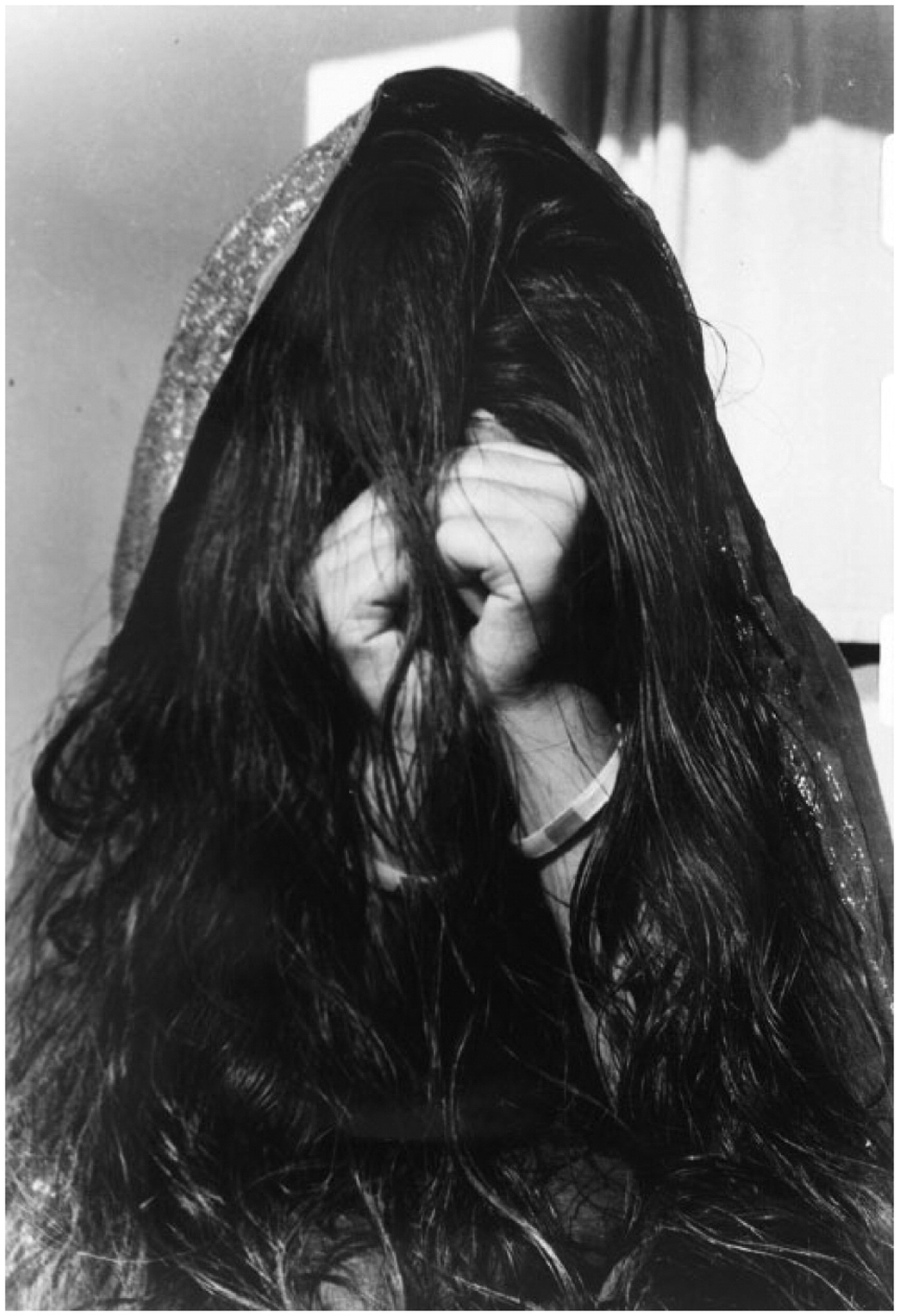
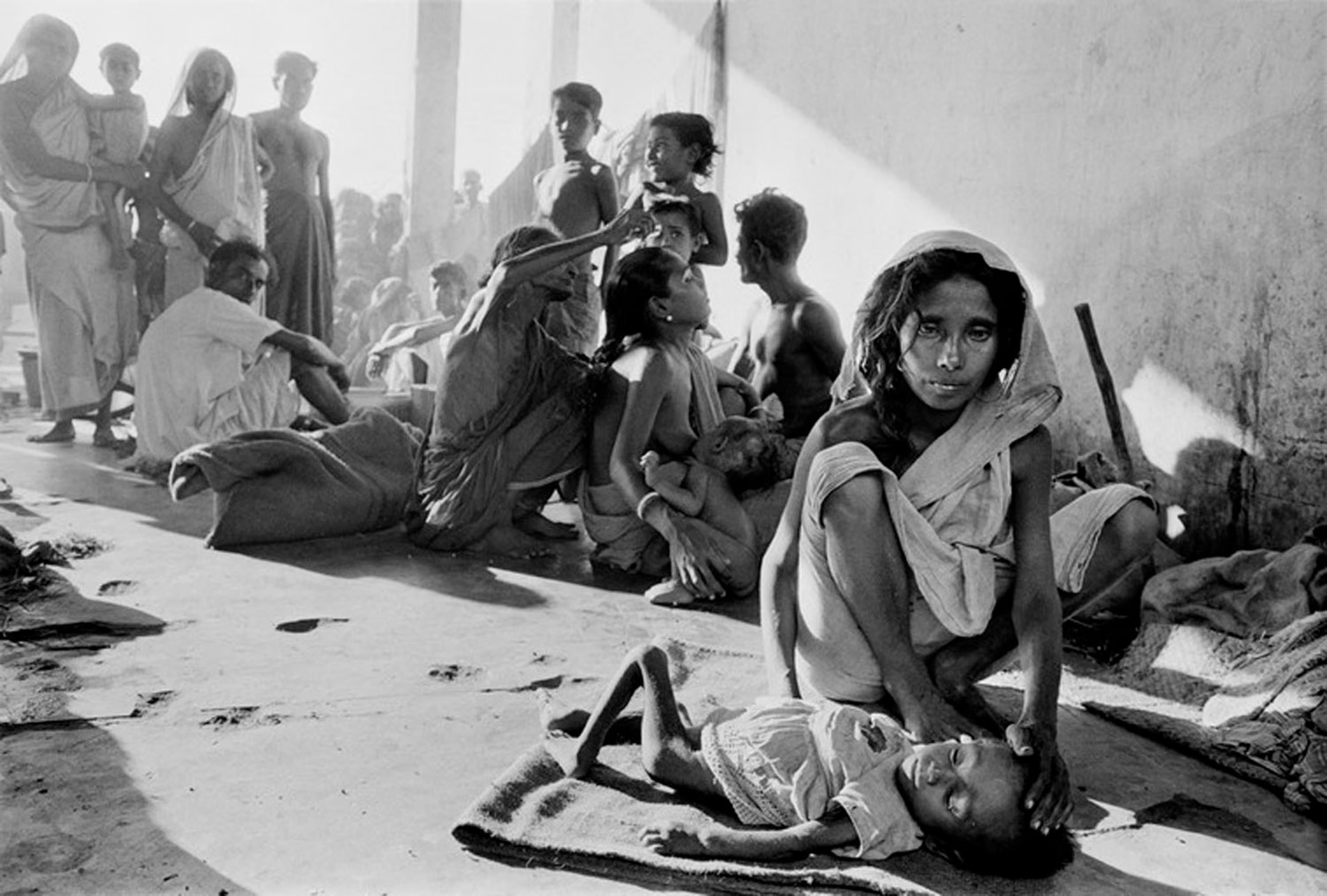
Remember the stark black and white photograph by Naib Uddin Ahmed from our liberation war that shows a young woman with long black hair covering her face with her hand? Did you feel the profound anguish and shame she was showing? A single picture powerfully reflects the trauma experienced by the Birangonas (war heroines). This image reflects what 400,000 Bangladeshi women faced during our liberation war.
In March 1972, an Australian doctor arrived in newborn Bangladesh for a mission he would later describe as one of the most dreadful experiences of his career. Dr. Geoffrey Davis, the director of Population Services International, was recruited to address a humanitarian crisis Bangladesh was struggling to confront: the systematic rape and forced impregnation of hundreds of thousands of Bengali women during the 1971 Liberation War. Dr. Davis began working with support from the International Planned Parenthood Federation (IPPF), the United Nations Population Fund (UNFPA), and the World Health Organization (WHO).
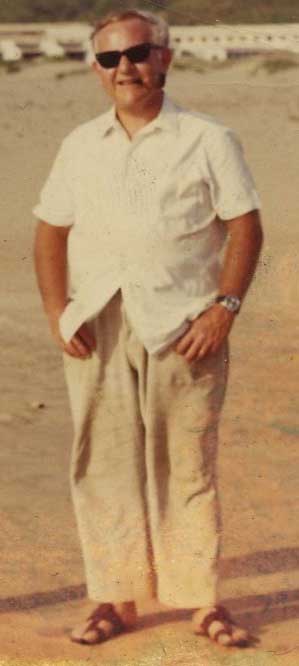
What Dr. Geoffrey Davis witnessed and endured during his six-month tenure in Bangladesh would become one of the most comprehensive accounts of wartime sexual violence. Yet for a long time, his story and works were buried, as the country willingly wanted to forget this past and how its women bore the invisible scars of war.
Why was Dr. Davis the ideal and perhaps the only candidate for this special task? In London, during the late 1960s, Dr. Davis trained in and perfected a technique for terminating advanced pregnancies. This method proved crucial later in his Bangladesh assignment. He became the director of the International Abortion Research and Training Centre, gaining recognition for his work. By 1971, he had joined Population Services International, an organisation focused on reproductive health services in developing countries. His unique combination of skills and experience made international organisations call him for this complicated task in Bangladesh.
Three million people were martyred, and more than ten million people were displaced due to Bangladesh’s war of independence. However, it does not end there. Among the most devastating legacies of this war was sexual violence against women perpetrated by the Pakistani Army and their local collaborators. This number was incomparable during that time. The government of Bangladesh estimated that around 200,000 women were raped and faced sexual violence. Dr. Geoffrey Davis denied this claim. According to him, the government showed a conservative number, whereas the number would not be less than 400,000.
When Davis arrived in March 1972, he found a crisis that defied comprehension. The Bangladesh Women's Rehabilitation Programme, led by Justice K.M. Sobhan, was attempting to provide care for pregnant rape survivors. But the numbers were staggering, the medical infrastructure inadequate, and the social stigma overwhelming. The program had two goals on its agenda. One is to provide abortion to the women who are eligible, and the babies that are delivered would be given for adoption to International Social Services.
Dr. Davis explained that this violence was not incidental, but rather a calculated strategy taken by the Pakistani Army. His interviews with Pakistani prisoners of war revealed shocking and chilling stories. The soldiers were ordered by their senior officials to impregnate as many Bangladeshi women as possible. One reason behind it was that the Pakistanis did not consider the Bangladeshis as true Muslims. Therefore, their goal was "a whole generation of children with West Pakistani blood." Dr. Geoffrey Davis accounted that Tikka Khan instructed Pakistani soldiers to impregnate Bangladeshi women so that their babies would have Pakistani blood and they would never fight against their fathers. The rape camps, the selection of victims, and the forced detention all pointed to sexual violence as a weapon of ethnic warfare.
Dr. Davis set up what he would later call "industrial-scale" abortion procedures. He started his journey from a clinic in Dhanmondi. However, he had to travel to other cities in the war-torn country to provide his services and, especially, to train doctors in his specialised abortion technique for advanced pregnancies.
What Dr. Davis encountered was, in his eyes, unbelievable. He and his team had to perform an average of 100 abortions daily. They were surprised by the magnitude of atrocities committed by the Pakistani Army. The statistics tell only part of the story. Davis documented that by the time he arrived, approximately 5,000 women had already attempted self-induced abortions by midwives or quacks using medically unsafe methods. As a consequence, many women lost their lives, while others were left permanently unable to bear children due to the physical and psychological trauma they had endured.
Dr. Geoffrey Davis had an interview with Bina D’Costa in 2002, which is the only in-depth interview of his experience in Bangladesh. There, he recounted the hidden and forgotten stories of our liberation war that even haunted the historical record. Women and girls captured by the soldiers were distributed among the camps according to the officers’ ranks. Davis recalled visiting these camps and interviewing survivors. He described women tied to trees and gang-raped, their breasts mutilated, some thrown into mass graves while still alive.
Women were kept naked, and their hair was cut off. These measures were taken because the soldiers feared that women would commit suicide, a fate some had already chosen. The women were kept unfed or given inadequate food and medical care in these camps. When they came to the rehabilitation centre and to Dr. Davis, they were severely malnourished, and many were infected with sexually transmitted diseases.
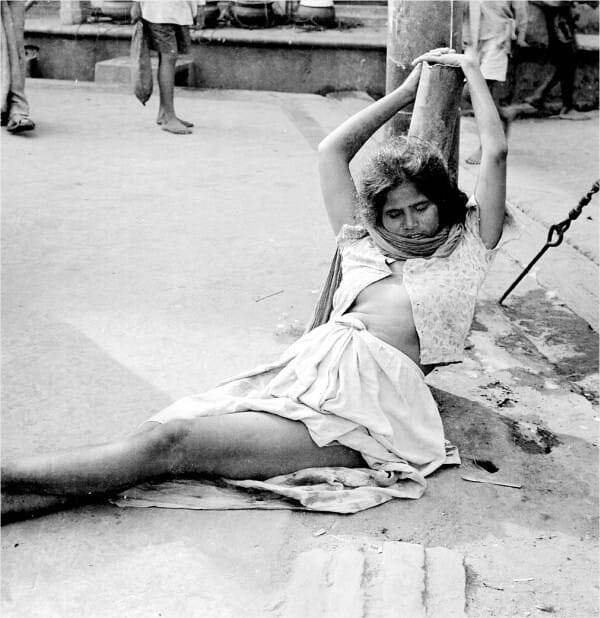
In Dr. Davis’s words, the agony of these women did not stop there. Perhaps the most devastating was what happened after liberation. Sheikh Mujibur Rahman attempted to honour these women by calling them "Birangona" (war heroines) and her daughter. But this designation backfired tragically. Rather than rehabilitation, the term made them outcasts in society. The agony and sorrow of these women were never-ending. Husbands refused to take their wives back, and even when they did, they killed their own wives afterward. Why? Because, to them, these women were defiled and did not belong here.
Families rejected their own daughters, and some women were killed by relatives seeking to restore family honour. Many others committed suicide. A few begged their Pakistani captors to take them to Pakistan rather than face their communities. "The men didn't want to talk about it at all," Davis recalled. "Because, according to them, the women had been defiled." When Dr. Davis tried to learn what had happened to the women by knocking on their doors, he encountered complete silence from the women and their families. They did not want the world to know what had happened to their women. It was complete silence, as if nothing had ever happened.
What especially surprised Dr. Davis was the way the Pakistanis captured women from various cities and villages in Bangladesh. He rejected the Pakistani claim that the number of Bangladeshi women raped and tortured was exaggerated. He explained that the strategy the Pakistanis used to capture towns was horrendous. He noted, “Probably the numbers are very conservative compared to what they did. The description of how they captured towns was very interesting. They would keep the infantry back and put artillery ahead, and they would shell the hospitals and the schools. And that caused absolute chaos in the town. And then the infantry would go in and begin to segregate the women. Anybody with grey hair didn’t get involved. Apart from little children, all the ones who were sexually matured would be segregated while the rest of the infantry tied… the rest of the town (which would involve shooting everybody who was involved with the East Pakistani government or the Awami League. And then the women would be put in the compound under guard and made available to the troops. It was most hideous. I know of no precedent anywhere in the world ever.
Nonetheless, that is how it had happened.” In his words, the Pakistani army and the local collaborators committed these rapes not only to impregnate the women but also to terrorise the people and destroy their morals and those of the freedom fighters.
Let’s unfold another chapter of this story. For women who gave birth, another distressful and agonising decision was waiting for them. They had to decide whether to keep the babies or give them up for international adoption. As Bangladesh’s legal system prohibited adoption, global organisations such as International Social Services, the Missionaries of Charity led by Mother Teresa, and Families for Children in Canada facilitated transfers of these newborns to overseas families.
Davis worked with these organisations, helping to coordinate what became one of the largest international adoption programs of its era. However, the process was filled with complexity and sorrow. This mass adoption occurred because many families did not want to accept these babies. Many mothers killed their own children after delivery. The final blow came from the government itself. Sheikh Mujibur Rahman ordered to get rid of these newborns, believing them to have "polluted" blood. The government's duplicity made the situation worse. Dr. Davis remembered one young woman who insisted throughout her pregnancy that she wanted to give up her baby, but when the moment came, "she refused to do so, and cried so much."
What makes Davis's contribution particularly significant is not just the service he provided but also the fact that he was one of the witnesses to the brutality against the women during the war. He shed light on the government of Bangladesh's efforts towards the raped women. The government built shelters, abortion centres, and provided counseling services to the women. The government may have had good intentions, but the resources were not there. All the little resources the country had were for the freedom fighters, not for these women.
Moreover, there was a lack of motivation among the doctors. Dr. Davis completed his full tenure with only two sets of instruments that he brought from the UK. The shocking revelation by him was that the doctors had the chance to provide good medical treatment to the women, but they did not do so, citing legal excuses. They were more concerned with the legality of the treatment than with the humanitarian perspective. When he went to a workshop to discuss the abortion technique he was going to implement in Bangladesh, what astounded Dr. Davis was that 90% of the questions asked were about the legality of his procedure rather than technical questions.
The controversial nature of his work meant that none of the international agencies that recruited him wanted public association with the program. In press reports, Davis was typically identified only as a director of the London-based International Abortion Research and Training Centre, his works in Bangladesh quietly erased from the institutional record.
Dr. Davis left Bangladesh in September 1972. For decades, he spoke little about his Bangladesh experience. It was not until 2002 that he granted his first comprehensive interview about the work, speaking with Dr. Bina D'Costa. That interview brought the real scenario of how rape was used as a weapon of war by the Pakistanis. An interview that was documented in history, letting future generations know what scars Bangladesh had to bear throughout the liberation war. A scar that Bangladesh seemed determined to forget. Even today, the story of rape survivors remains controversial for people to talk about.
Dr. Davis's contribution represents a complicated legacy. He provided desperately needed medical care to women who had no other options. He documented atrocities that no one else wanted to explore or show, which might otherwise have been lost to history. He trained local medical professionals in techniques that would continue to serve women's reproductive health needs long after he left. Yet his work also raises uncomfortable questions about agency, consent, and the assumptions that international humanitarian workers bring to their interventions. The abortion and adoption programs he administered were carried out according to the government. The question remains, did it actually serve the best interests of the women themselves?
Dr. Geoffrey Davis’s testimony remains crucial. He believed the widely cited figure of 200,000 rapes was “very conservative,” based on his own data. Before this, many people saw wartime rape as random violence. After the events in Bangladesh, it became clear that rape could be used as a military strategy, a tool for ethnic cleansing, and even as a form of genocide.
Sayem Bin Rafiq is a contributor to Slow Reads, The Daily Star. He is a postgraduate of Population Sciences at the University of Dhaka. He can be reached at sayemshahin1961@gmail.com
Send your articles for Slow Reads to slowreads@thedailystar.net. Check out our submission guidelines for details.
Professor Anisur Rahman: The economist who put people at the centre
APO 433: Dhaka’s forgotten post office of World War II
Dadabhai Naoroji: The man who exposed the economics of British colonialism

Untold stories of 1971 through private letters
The extraordinary journey of Atish Dipankar Srigyan

Forgotten story of Jeanette Van Tassel, the American woman who flew over Dhaka in 1892
Beyond 1947 / A personal essay
Abul Mansur Ahmad / A global quest in search of a nation

Chand Bibi and the forgotten history of Muslim women’s political resistance