The untold history of horses in South Asia

The Daily Star (TDS): Could you please tell us about the place of the horse in ancient India? As you mentioned in your book The Tale of the Horse, “Harappa had various animals, but there is no sign of the horse,” yet in the Vedas the mention of the horse is greater than that of the cow. What do records suggest about the presence of horses in the great Mauryan Empire and other significant regional empires of the subcontinent?
Yashaswini Chandra (YC): The horse is not one of the animals found on the famous terracotta seals of the Harappan Civilisation. There is a sharp contrast between the limited, as well as somewhat dubious, evidence of the domesticated horse from the late Harappan period and the abundance of it in the Indo-Aryan culture that followed as the dominant one in north India. My book, The Tale of the Horse, focuses on later periods, so I do not go into the ancient historical background in detail, but I discuss the origins of the domesticated horse in the subcontinent at length in a later essay, ‘The History and Historiography of the Horse in India’, in an edited volume, Harnessing Horses: From Prehistory to History. Genetic research has now confirmed that the ancestors of all modern domesticated horses originated in the western Eurasian steppes, spreading from there to provide the main lineages in different parts of the world in the second millennium BCE.
In any case, the horse has had a long run in India from the fifteenth century BCE until the modern mechanised era. The earliest text to highlight the horse is the Rig Veda, which contains hymns to warrior chiefs who rode horse-drawn chariots, as well as references to the Ashvamedha Yajna, or horse sacrifice. The classic ancient Indian army was chaturanga, or four-armed, consisting of infantry and elephants, cavalry (mounted troops), and chariots. It follows that the Mauryan Empire, as the greatest of the ancient polities, had an army that included all four arms. However, the use of the chariot declined with the turn of the first millennium CE, and not all ancient Indian armies included a cavalry component, being driven instead by either infantry or elephants.
TDS: The Ashvamedha is very prominent in the events of the Mahabharata. You also mentioned that horses appear in the Buddha Jatakas, and in the Perso-Islamic traditions, horses are central in many instances, both in religious and worldly imaginations. Could you elaborate on the records across these three major traditions?
YC: There are too many traditions that reflect the role and symbolism of the horse to cite beyond a few examples. The Samudramanthana, or the churning of the cosmic ocean, which yielded the primordial horse—a white stallion called Uchchaishravas—is described in both the Mahabharata and the Ramayana. The chariot of Surya is drawn by a seven-headed white horse, or by seven white horses. Before he became the Buddha, Prince Siddhartha Gautama began his journey towards enlightenment when he left his father’s palace on his horse, Kanthaka. On the one hand, this association of the horse with renunciation contrasts with the violent symbolism of the Ashvamedha; on the other, the symbolism of the sacrificial horse is evoked when Kanthaka is berated for returning without the prince and for breaking the news of his departure.
The horse also holds deep meaning in Islam. The Prophet Muhammad himself set the example of the Islamic horse warrior. If a horse is compared to Buraq, it is considered the highest compliment, even though Buraq was a celestial riding animal rather than a horse. To this day in South Asia, Muharram processions on Ashura are led by a horse representing Zuljanah or Dhuljanah, the winged white stallion that, according to Shia tradition, Husain rode at the Battle of Karbala. There are tropes that cut across different religions, such as the white stallion or the winged horse. Then there are the intertwined traditions of the Indic Ashvashastra/Shalihotra and the Perso-Islamic Faras. I have heard several folk stories about local deities and Sufi saints, deified heroes, and djinns being identified with horses. Equally, there are wonderful stories about individual horses and how they were cherished by their owners or caretakers.
TDS: You mentioned that the main sources of horses were in Central Asia, along with Kabul and Iran, from where traders brought “droves after droves” of horses into India via both land and sea routes. Could you share your insights regarding the scale of this trade, the processes involved, the role of foreign traders and local buyers, the establishment of caravanserais, and mention some kings whose actions and policies regarding horses were significant?
YC: Since ancient times, horses from Central Asia, Afghanistan, and the Middle East were imported through north-west India, while Tibetan horses entered through the north-east via caravan routes, with the two zones meeting in the western Himalayas. Over time, horses from the Middle East were predominantly imported by sea, so much so that during the Sultanate period they were known as Bahri or ‘sea-borne’ horses. This trade in horses became voluminous, as horses were one of the main items of import between the eleventh and seventeenth centuries, peaking alongside the mighty Mughal Empire. The Italian traveller Niccolao Manucci claimed that in the late seventeenth century, 100,000 horses were coming from Bukhara, Balkh, and Kabul—out of which the best 12,000 went straight into Aurangzeb’s stables—while his French counterpart François Bernier provided a more conservative estimate of ‘more than 25,000’ from Central Asia alone. Thus, we can say that at least 30,000 horses were being imported annually by that time.
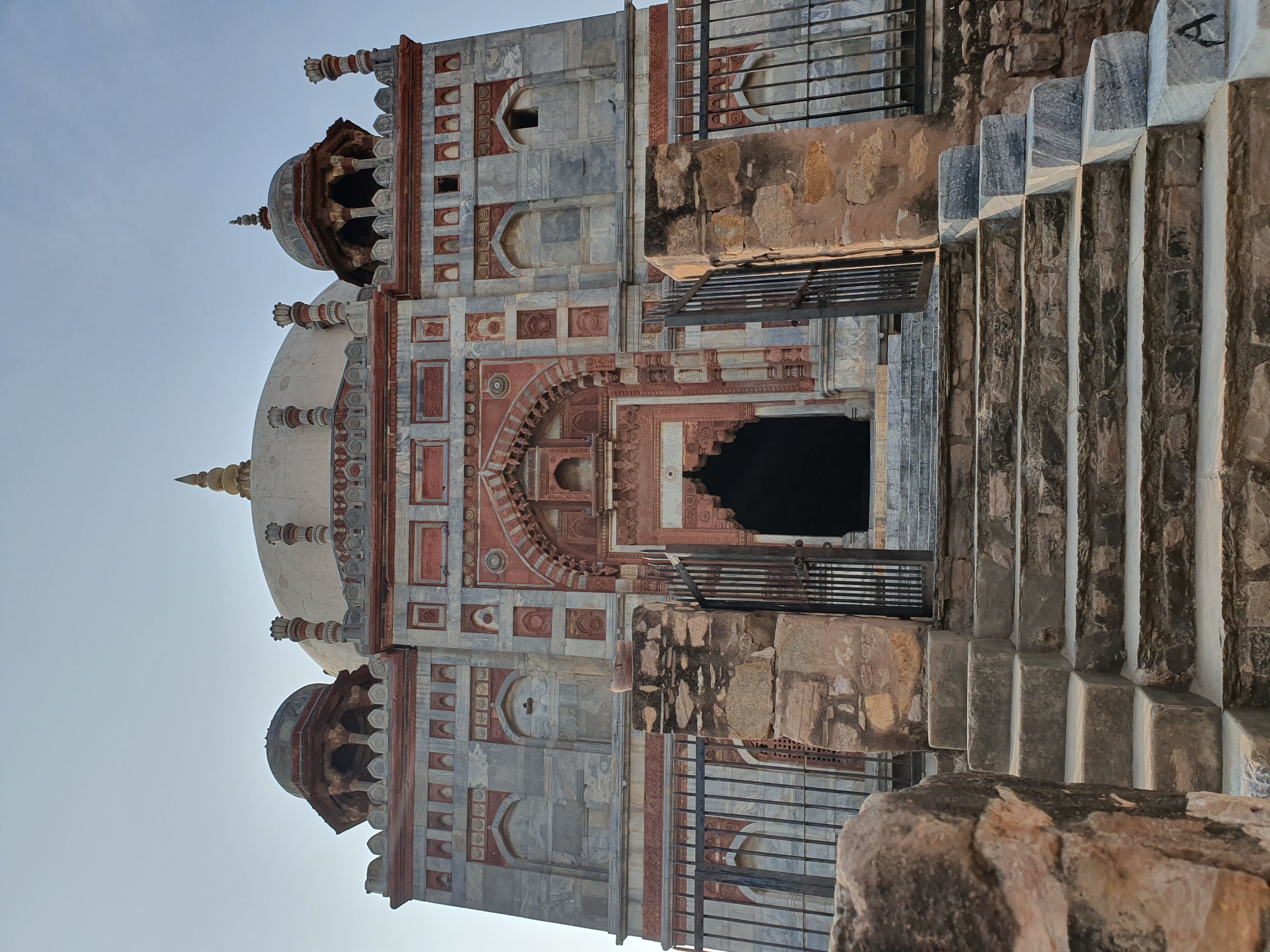
Meanwhile, the horse traders who oversaw this vast enterprise sold their horses to the highest bidders among the ruling classes, which in turn enabled some of them to establish themselves comfortably in different parts of South Asia as, for instance, warlords or chiefs. Over time, their descendants could even reinvent themselves as kings. To give one example, in Narnaul in present-day India, there is an aristocratic tomb belonging to Ibrahim Khan. It was built posthumously by his grandson, the Delhi Sultan Sher Shah Sur, thereby obscuring their humble origins as horse traders from Afghanistan.
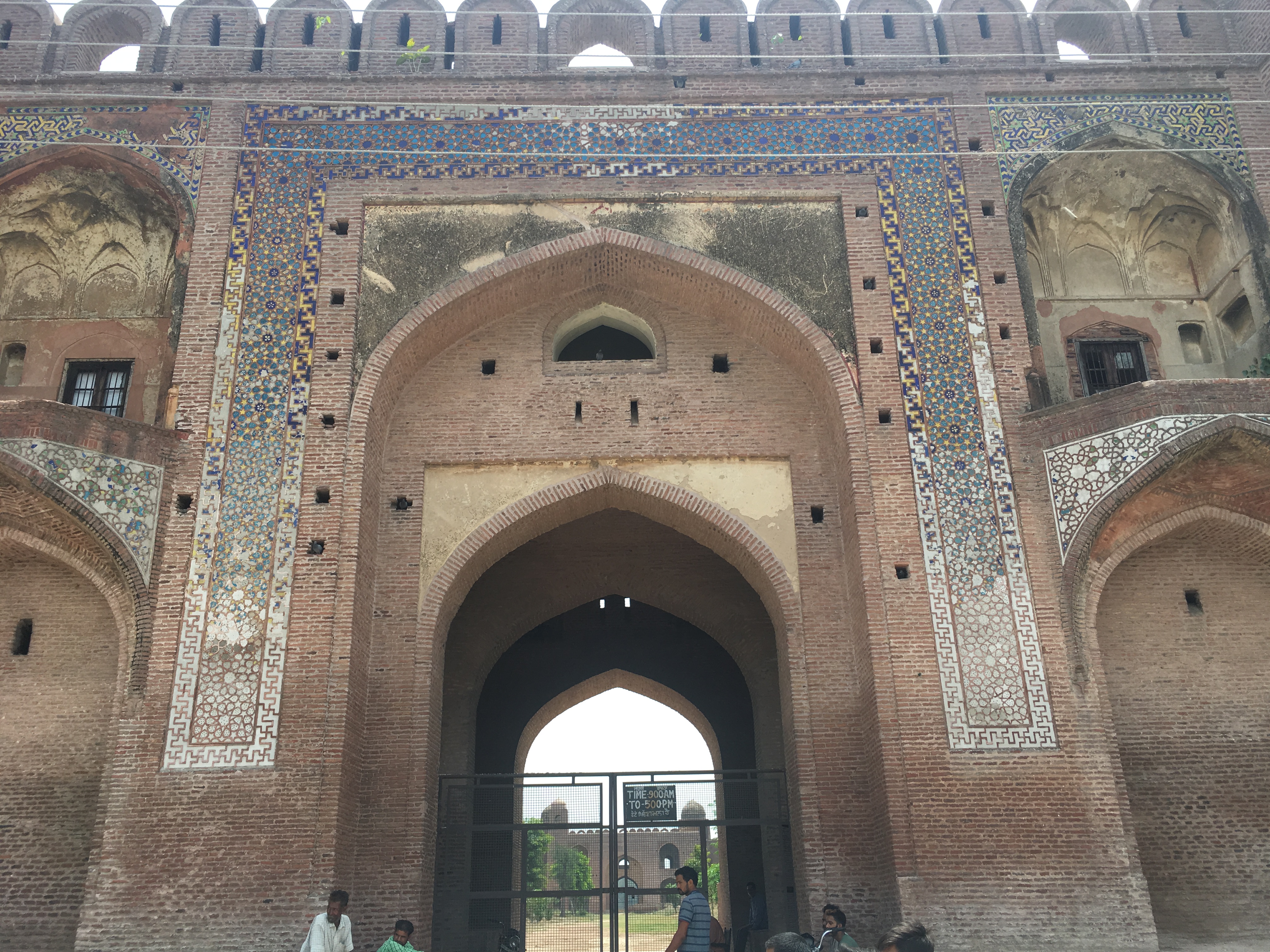
It was the Mughal chronicler Abul Fazl who said that ‘droves after droves’ of horses from Central Asia and Iran reached Akbar’s court; and from Akbar onwards, the Great Mughals went out of their way to promote overseas trade through their territories, and given the demand for horses, their smooth passage was a key consideration. They facilitated this trade by developing infrastructure, from roads to caravanserais—the central courtyard or green in the typical Mughal sarai being meant to house horses and other animals. Indeed, all of the Mughal elite, including queens and princesses, threw themselves into building and endowing caravanserais. There are also instances of South Indian rulers from different periods trying to offset the risks involved in sea trade by compensating merchants even for those horses that had been ordered but had perished en route.
TDS: In your book, you mentioned that “horsemanship in India flourished with the establishment of Indo-Islamic rule, and the importance of the cavalry grew,” and elsewhere you noted that “the practice of horseshoeing was introduced in the Sultanate period.” What kinds of changes took place in the use of horses in warfare? Given that horses were already important war animals alongside elephants, how did cavalry evolve in relation to infantry and overall military strategy?
YC: Cavalry warfare became widespread and paramount with the arrival of Central Asian Turks at the turn of the eleventh century, as they introduced mounted archery and associated battle tactics. Although different Indian armies diversified along various lines over time (the introduction of gunpowder having a transformational effect, for example), the cavalry remained important until the introduction of European-style armies under colonial influence in the eighteenth century. Mounted archery had been practised for some time under the Gupta rulers of north India, between the fourth and sixth centuries, but it did not catch on. There are Gupta-period terracotta plaques depicting mounted archers, but they are not using stirrups, and that may have been one of the reasons mounted archery had not been very effective in the past. The stirrup was invented in Central Asia, and its use in India became established between the ninth and eleventh centuries. Almost all the different items that constitute complete horse-riding equipment, or tack, were in use by the thirteenth century, and horseshoeing also became prevalent. The trade in horses boomed, and the local breeding of horses became well established. Mansabdari, or the horse-based ranking system of the Mughals, represents the culmination of horsemanship in the subcontinent, but the build-up to that began in the Sultanate period.
TDS: What happened to horse breeding in local settings, and how were locally bred horses valued in terms of their effectiveness and appreciation among kings and warriors?
YC: Horses were bred in Punjab-Sindh and Gujarat from ancient times. These areas remained at the heart of a breeding zone that, by the early Mughal period, stretched from west of the River Yamuna to encompass the entire ‘western desert frontier’, including Rajasthan and Balochistan. Different Himalayan regions and their foothills also emerged as breeding centres, as the Tibetan horses imported through them were used to develop local breeds. Besides the raising of herds in these breeding zones, by the late sixteenth century, Abul Fazl insisted that ‘fine horses [are] bred in every part of the country’, which indicates that piecemeal breeding was taking place across the Mughal north. In the sixteenth century, the rank and file of the Vijayanagara army in the south was mainly mounted on local horses, while the second-largest contingent of horses in the Mughal army comprised Indian Tazi ones. Later, the Deccan also emerged as a major centre.
The large-scale breeding of horses was conducted by nomads and pastoralists. The modern recognised breeds of South Asia can, in fact, be traced to these efforts. The caravan and sea trade in horses has overshadowed the deep roots of horse breeding in the subcontinent, especially as there seems to have been an elitist preference for imported horses, with Arab-Persian horses being considered the most prestigious. Even if local horses were not the favourites of most elite groups, they would certainly have been valued by their owners and riders. Horsemanship is also a matter of the values that riders attach to their mounts.
TDS: As an art historian, could you share some important artefacts and records related to horses in literature, sculpture, folktales, and other forms? Did horses remain largely associated with royalty, or were they also adopted by ordinary people in certain contexts?
YC: I think that paintings capture the story of the horse in the subcontinent and include dimensions that are often missing in textual sources. For example, named portraits of individual horses show that they were loved or prized enough for their owners to commission such records. Such visual sources, combined with certain oral traditions, allowed me to highlight the bonds between humans and their horses, rather than viewing horses merely as instruments of war or commodities of trade. It also enabled me to move beyond the elitist history of the horse—if, for example, equestrian portraits were related to the self-fashioning of rulers, horse-and-groom paintings shed light on the contributions of lower-status caretakers. Paintings of women practising different forms of equestrianism, or caravanserais built by them, demonstrate their contributions to horse culture. I tried to draw on all kinds of sources to bring out the multifaceted significance of the horse as a sentient being and to write a histoire totale, even as it remains grounded in case studies. This also helped me study horses as a thread that connects mythology, history, art, literature, folklore, and popular belief. The book incorporates a range of associations between non-elite, even subaltern groups, and horses.
TDS: You mentioned that the nineteenth century marked the final phase in the collapse of the caravan trade. What changes occurred during the British colonial period with the introduction of new forms of warfare, and how did British colonial rulers view and utilise horses?
YC: The caravan trade from Central Asia-Afghanistan had already begun declining in the eighteenth century, while more and more local horses were meeting demand. It collapsed in the nineteenth century with the British crackdown on nomadic pastoralism and the imposition of hard boundaries, targeting, for example, the Afghans who had long been at its forefront. British wariness of ‘wandering’ also curtailed nomads and pastoralists within the subcontinent who had bred local horses and traded in them, often at horse fairs. The nature of warfare changed with the introduction of European-style armies dominated by massed bodies of infantry armed with flintlock muskets and socket bayonets, reducing the relevance of cavalry.
Originally enamoured of Arab horses, the British later lost interest even in these and were generally unimpressed with the various types of horses found in the subcontinent, especially local breeds. In effect, they extended the racial stereotyping of Indians to their horses, regarding them as inferior. Increasingly, horses were imported from Australia and Europe. In the process, the traditional horse culture of India was eclipsed, and its place was taken by a colonial culture of equestrianism. As Erica Munkwitz has observed, ‘riders [made] the best imperialists and vice versa’.
TDS: Finally, what were the distinctive features of horses in Bengal in terms of their breeding, maintenance, effectiveness in warfare, and their representation in art and popular memory?
YC: Bengal is renowned as tiger territory, but it also had a very vibrant horse culture. Since ancient times, Tibetan horses were imported into Bengal, and Pala manuscript paintings from about the eleventh century feature distinctive Roman-nosed horses. Known during the Sultanate period as Kohi or ‘mountain’ horses, they were, in turn, exported as far as South India by land and sea from coastal Bengal. The caravan trade in them seems to have dwindled once the stock was used to develop a local breed. The eastern branch of the Himalayan breeding zone lay just north of Bengal, and this is where local horses were produced—the Tanghan horses of the Mughal period. According to Jean-Baptiste Tavernier, the Tanghan horse was a pony by modern standards, so small that the rider’s feet would touch the ground. Nonetheless, as pointed out by Abul Fazl, they were small but powerful. Indeed, they were known for their stamina.
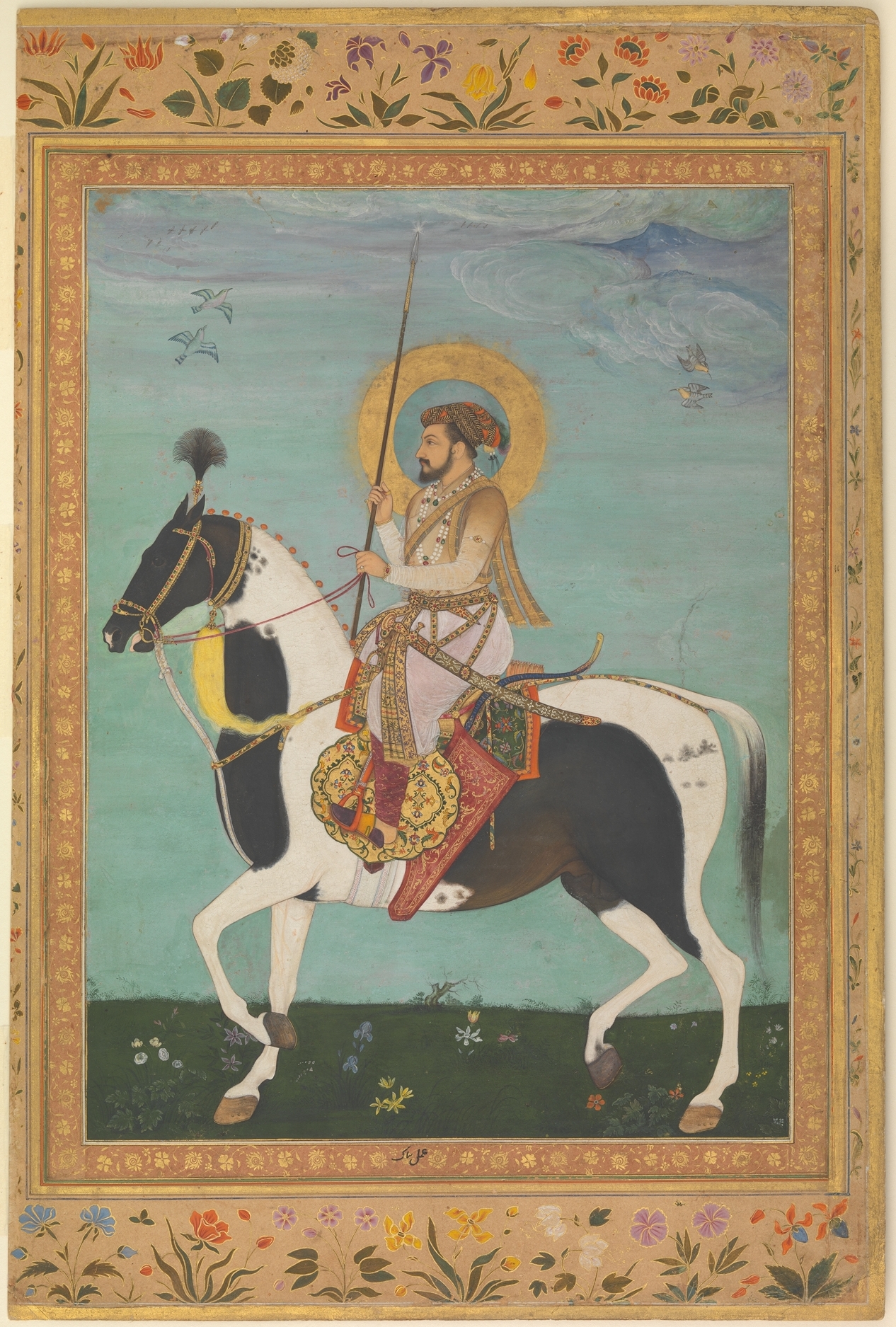
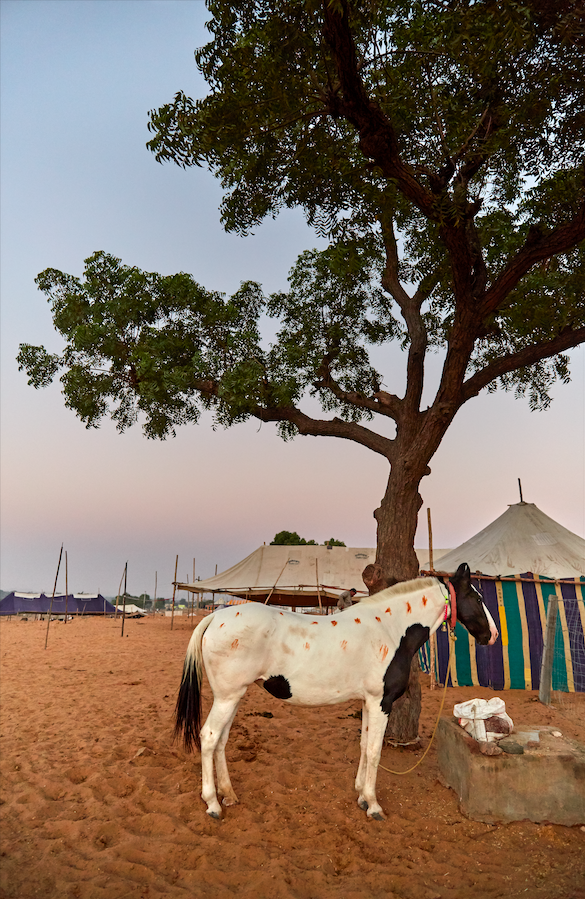
These horses were sometimes offered as tribute from Bengal to Shah Jahan—the exchange of gifts occupying a special place in the highly refined Mughal court. Shah Jahan had a soft spot for piebald (black and white) ponies from Bengal, and even his son, Shah Shuja, as governor of the province, would present such gifts to his father. The modern Bhutia breed has probably descended from this lineage. Kolkata was at the centre of the colonial culture of equestrianism—with the Maidan and racecourse, as well as riding and polo clubs. I read in a novel about the Bhawal Sanyasi that before he ‘died’ and was reborn as a sanyasi, Ramendra Narayan Roy, as a Bhawal prince, was a top horseman, once beating Nawab Salimullah at a well-attended tumtum race. I wonder if they tested the sanyasi’s riding skills to ascertain his identity!
The interview was taken by Priyam Paul.
Send your articles for Slow Reads to slowreads@thedailystar.net. Check out our submission guidelines for details.

Professor Anisur Rahman: The economist who put people at the centre
APO 433: Dhaka’s forgotten post office of World War II
Dadabhai Naoroji: The man who exposed the economics of British colonialism

Untold stories of 1971 through private letters
The extraordinary journey of Atish Dipankar Srigyan
Forgotten story of Jeanette Van Tassel, the American woman who flew over Dhaka in 1892
Beyond 1947 / A personal essay
Abul Mansur Ahmad / A global quest in search of a nation

Chand Bibi and the forgotten history of Muslim women’s political resistance