Why Rana Plaza survivors are still protesting

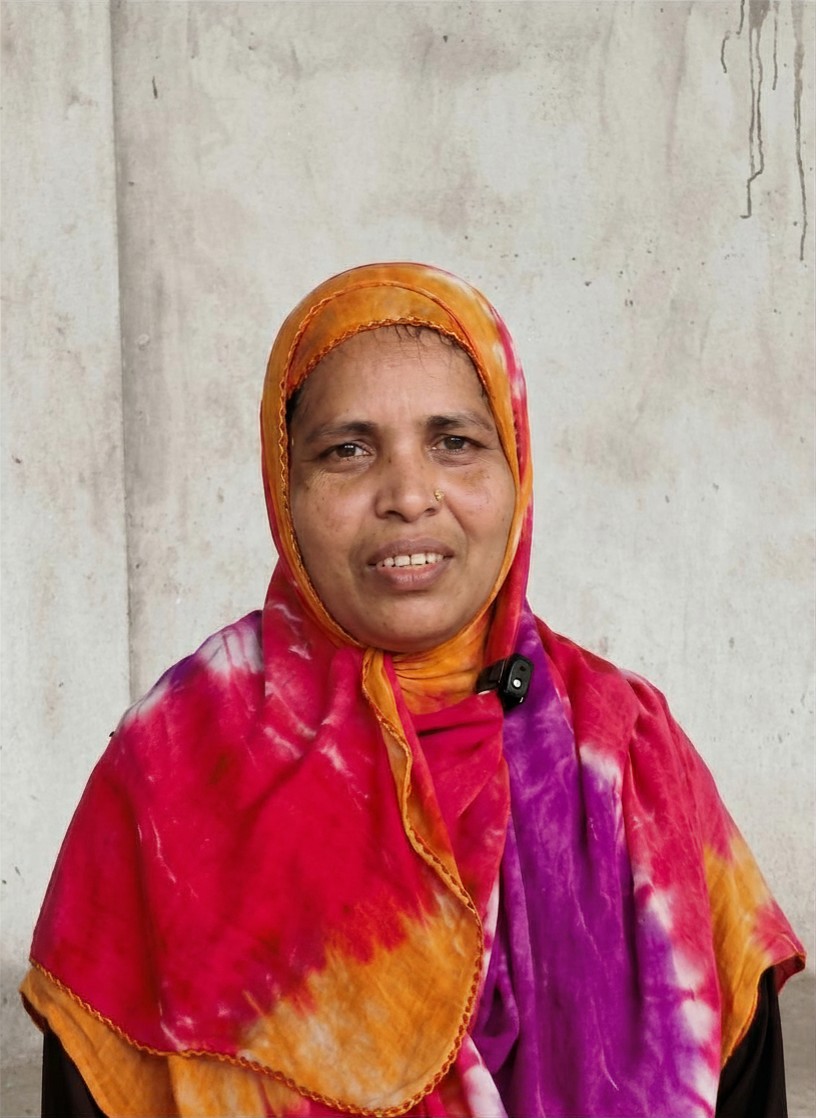
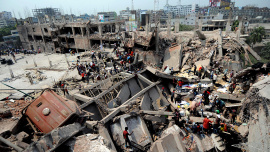
Where Rana Plaza once stood in Savar, only a pond and a concrete monument bearing a sickle and hammer remain. On the 13th anniversary of the garment industry's deadliest collapse, Nilufa Yasmin stood before it. She is in her forties, walking with a fractured spine and a pronounced limp, injuries that have outlasted the compensation efforts and successive governments.
She came to Dhaka in May 2010 out of necessity. Her marriage dissolved over a dowry shortfall of 4,000 taka, a debt she could not pay, leaving her alone with a four-month-old baby. At the Azim Group factory, a production manager asked whether she wanted to work as a sewing operator or a finisher. She had never been inside a factory before and did not understand the difference. When pressed, she answered: "Where the machines are." She was hired on the spot, for 1,665 taka a month.
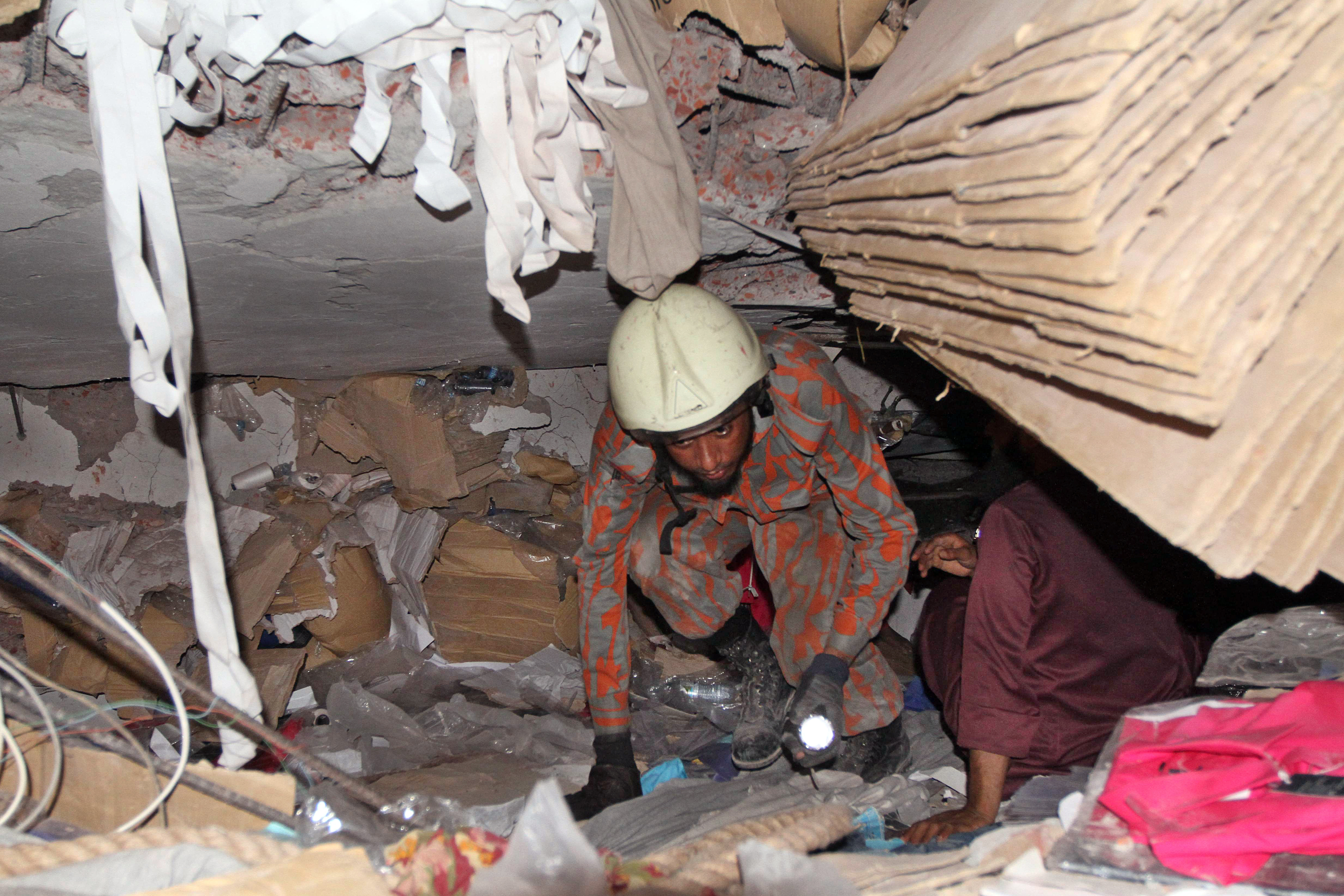
In April 2013, three years and two factories later, Nilufa was a sewing operator at Rana Plaza in Savar. She earned 4,250 taka a month. With overtime, 10,000. On April 23, cracks appeared in the load-bearing columns. Workers were sent home, then ordered back the next day. The building collapsed before 9 AM on April 24.
On April 27, she was pulled from the rubble and taken to a small private hospital behind Enam Medical College. It was past midnight. Her brother had only 500 taka. The hospital refused treatment unless a deposit was paid. She was left in the hallway on the ground floor.

By dawn, she vomited blood twice. A staff member remarked that her liver had likely ruptured, and that taking her upstairs was too late.
Her landlady and neighbours arrived. The landlady fought the staff to get Nilufa out for free. They poured water on Nilufa's head. She began breathing steadily.
The government declared free medical treatment for survivors. The 10,000-taka-per-patient budget at Rizia Clinic, where Nilufa was later taken, rarely reached the wards. A representative took signatures from 10 patients for cash payments meant for four. Nilufa was not among the four. She signed the statement. She received nothing.
In 13 years, Nilufa’s only material settlement was a cow, provided by a rehabilitation centre for 56,000 taka. For Nilufa, there is a strict distinction between justice and charity. A cow is a mere donation, an aid to stave off immediate poverty. It is neither formal compensation for her destroyed body, nor is it true rehabilitation, her second demand, which requires the state to secure her long-term housing and economic stability.
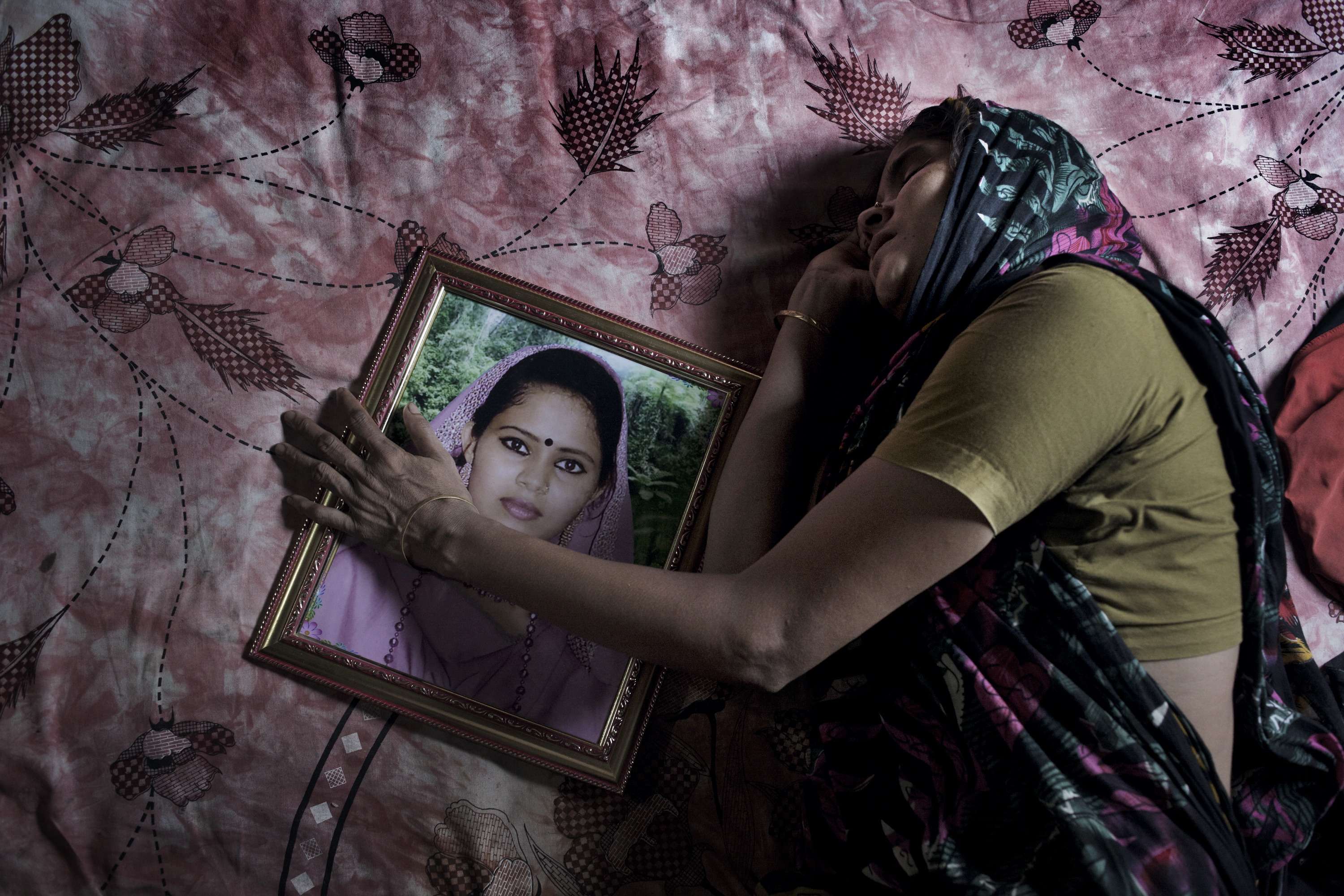
For twenty-six months, Nilufa could not speak. When she regained her voice, following psychiatric treatment and eight months of physiotherapy at the Centre for the Rehabilitation of the Paralysed (CRP), she could no longer work. The hum of a sewing machine sent her collapsing to the floor in panic.
"I tried going to different places for work, Al-Muslim, JK Group, and other factories in Himayetpur," Nilufa says. "I lasted two months, one month, maybe 15 days. My spine is fractured. If I force myself to run a machine, I collapse." Because her injuries permanently stripped her of her ability to work, her first demand is uncompromising. "I want compensation, so I do not have to beg," she states. "They must give us formal compensation equivalent to a whole lifetime of lost income."
Following Rana Plaza, Bangladesh amended its labour laws and raised funds for the families of those killed and for amputees. Although roughly Tk 128 crore was raised in the Prime Minister’s Relief Fund, its disbursement remains opaque. Labour organisations, including the Garment Worker Trade Union Centre, say that many survivors received small donations but no meaningful compensation.
In 13 years, Nilufa’s only material settlement was a cow, provided by a rehabilitation centre for 56,000 taka. For Nilufa, there is a strict distinction between justice and charity. A cow is a mere donation, an aid to stave off immediate poverty. It is neither formal compensation for her destroyed body, nor is it true rehabilitation, her second demand, which requires the state to secure her long-term housing and economic stability.
The new government, led by Tarique Rahman, introduced the family card scheme in March 2026, a pilot project providing 2,500 taka a month to low-income families, issued to the eldest woman. It started in 14 upazilas nationwide. The beneficiary list did not include garment workers injured in the Rana Plaza and Tazreen factory fires. "Are we not eligible for a family card?" Nilufa asked. "To get it, what has to be done?"
Garment exports constitute over eighty per cent of Bangladesh's exports. Nilufa recites this number. She has recited it for years, in government offices, at press club protests, to labour officials who listen and do not return calls.
She asks one question in the simplest terms:
“Is it not the state’s responsibility when a garment factory collapses? We go in to work and do not come back out. What is the state for?”
On April 27, she was pulled from the rubble and taken to a small private hospital behind Enam Medical College. It was past midnight. Her brother had only 500 taka. The hospital refused treatment unless a deposit was paid. She was left in the hallway on the ground floor.
In Nilufa’s view, the state’s role is to ensure ongoing medical support for her and her family, and to pursue accountability for the factory owners.
Earlier governments repeatedly tried to stop survivors from meeting at the Rana Plaza site on the anniversary. Police were deployed. They threatened to remove the monument. It remained.
Nilufa looks at it when she passes. She says little about it. She has spent 13 years telling people who listen but do nothing.
The monument is still standing. So is the debt owed to the survivors.
Khairul Hassan Jahin is a journalist at The Daily Star.
Send your articles for Slow Reads to slowreads@thedailystar.net. Check out our submission guidelines for details.
Why Rana Plaza survivors are still protesting
Unseen struggles of ATM security guards in Bangladesh

The app treats me like a number: The uncertain lives of Dhaka’s ride-hailing drivers