


‘I’m so crystal clear now on my family priorities’
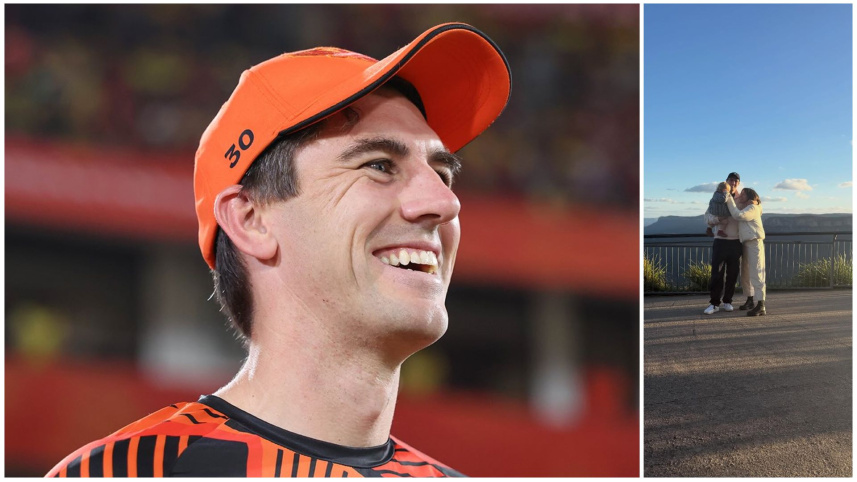
Pat Cummins’s clarity did not come from lifting a trophy or receiving a captaincy appointment. It came through loss, distance, and the quiet realisation that time--unlike form -- never returns.
“I’m so crystal clear now about my family priorities. I want to spend as much time as I can with my family. You just can’t keep pushing things down the road,” he said.

He reflected on how many athletes, including himself, tend to delay life outside sport. “You think you’ll play cricket until you’re 35 or 36, and only then start family life. I’ve definitely changed that mindset. Now it feels like: no, I want to live life as it comes.”
His mother, Maria, passed away from breast cancer in 2023. His son Albie was born around two and a half years ago. Between those moments has been a life defined by travel--hotel rooms, match days, and constant movement.
“We were barely home after becoming parents. That’s something I always wrestle with,” he shared on How to Fail.
After his mother’s passing, that internal struggle shifted into clarity rather than confusion.
“I’m going to say a big, emphatic yes to things we want to do as a family. When we’re on tour, we want to make the most of it. We don’t want to just watch time pass.”
This perspective has reshaped how he views everything, including cricket.
Despite being one of the most successful modern captains, Cummins never saw himself as a natural leader.
“For most of my life, I was the youngest in the room. I never really felt like a leader,” he said.
Yet leadership found him anyway--first with Australia’s Test captaincy in 2021, followed by major ICC victories, and later through his role at Sunrisers Hyderabad in the IPL, where his approach helped free up the team’s batting style.
One of the players benefiting from this mindset, Abhishek Sharma, once said he preferred bold outcomes over cautious totals, reflecting the freedom Cummins encourages.
Cummins returned to SRH after international duty and rejoined a team already finding rhythm. Still, his presence remained significant, with coaches and teammates acknowledging his world-class impact.
Yet even at the peak of his professional control, he remains grounded in a deeper awareness beyond cricket.
Accepting the Australian captaincy was not an easy decision.
“I had seen previous captains go through intense pressure. There were appealing parts of the role, but also many that didn’t attract me. In the end, I chose to take it on—but I was also comfortable with not doing it,” he explained.
There is a certain ease in how he carries responsibility—whether success, leadership, or expectation. Leadership did not begin as ambition for him; it arrived naturally. And yet, he has become one of the defining captains of his generation, balancing elite sport with a clearer sense of what matters most beyond it.
 For all latest news, follow The Daily Star's Google News channel.
Comments