


Cape Verde: Exit the tournament, enter history

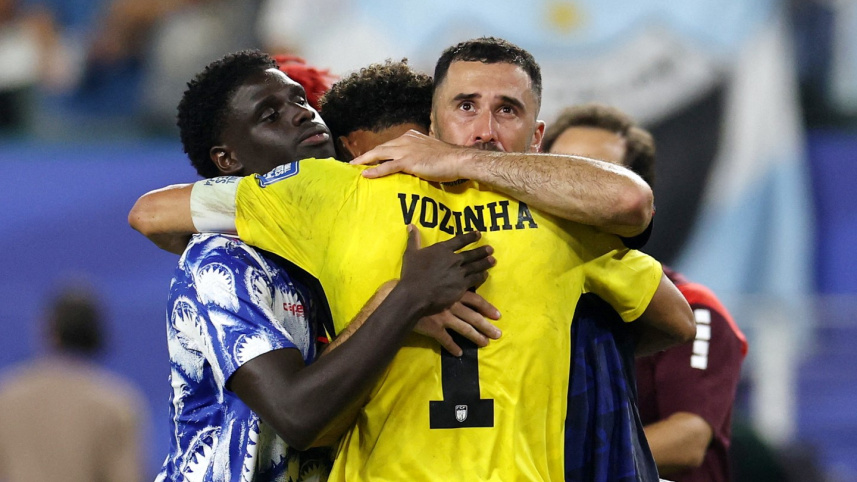
Cape Verde’s World Cup journey will not be remembered in terms of trophies or medals, but in something far more enduring: respect. In their debut on football’s grandest stage, the Blue Sharks didn’t just participate--they went beyond expectations, challenged giants, and ultimately won hearts in a way few debutants ever manage.
Their Round of 32 clash with reigning champions Argentina was supposed to be a controlled procession for Lionel Messi & Co. Instead, it became a bruising, breathless reminder that reputation means little once the whistle blows. Argentina needed extra time--and even an own goal--to finally edge Cape Verde 3-2 in a match that felt less like a mismatch and more like a collision between certainty and belief.

Cape Verde, ranked 67th in the world, twice came from behind. Twice they refused to fold. And even when Lisandro Martínez seemed to have settled it in extra time, they rose again through a stunning Sidny Lopes Cabral strike that silenced a stadium of 64,000. That moment alone captured their entire tournament: no surrender, no fear, no script acceptance. Even when Cristian Romero’s late header--deflected cruelly off Diney Borges--decided it, Cape Verde were still standing, still fighting, still believing.
As coach Bubista said with quiet pride, “I’m proud of my team, the work they’ve put in… We must take pride in what we’ve done for our country.” That sentiment wasn’t rhetoric—it was reality. This was a team that did not arrive to decorate the tournament; they arrived to compete with it.
What makes Cape Verde’s run so compelling is not just the drama of one match, but the consistency of resistance they showed throughout the competition. Against Spain, they absorbed pressure and refused to break. Against Uruguay and Saudi Arabia, they held their shape, took their moments, and left stronger teams frustrated. Even in defeat, they looked like a side that understood exactly who they were: organised, disciplined, and stubbornly unified.
I’m proud of my team, the work they’ve put in… We must take pride in what we’ve done for our country.
Against Argentina, that identity was amplified. Messi’s genius inevitably made the difference—his goal in the 29th minute was pure inevitability--but even he could not break them easily. Cape Verde’s defensive structure, led by Kevin Pina’s calm authority and the experience of goalkeeper Vozinha, forced Argentina into patience, then frustration, then desperation. For long stretches, the world champions looked ordinary.
And that is perhaps the highest compliment Cape Verde can receive: they made greatness look human.
There is also something profoundly modern about their success. With a population of just over half a million and a diaspora scattered across Europe, Cape Verde are not a traditional football power. Yet through intelligent federation planning and the strategic use of diaspora talent, they built a squad that blends European training with national identity. It is no accident that 14 members of the squad were born outside the country. It is structure, not sentiment that brought them here.
Bubista’s long-term stewardship has been equally crucial. Since 2020, he has shaped a team that does not rely on individual brilliance but collective discipline. This is not a side that chases chaos; it survives it, absorbs it, and occasionally creates it.
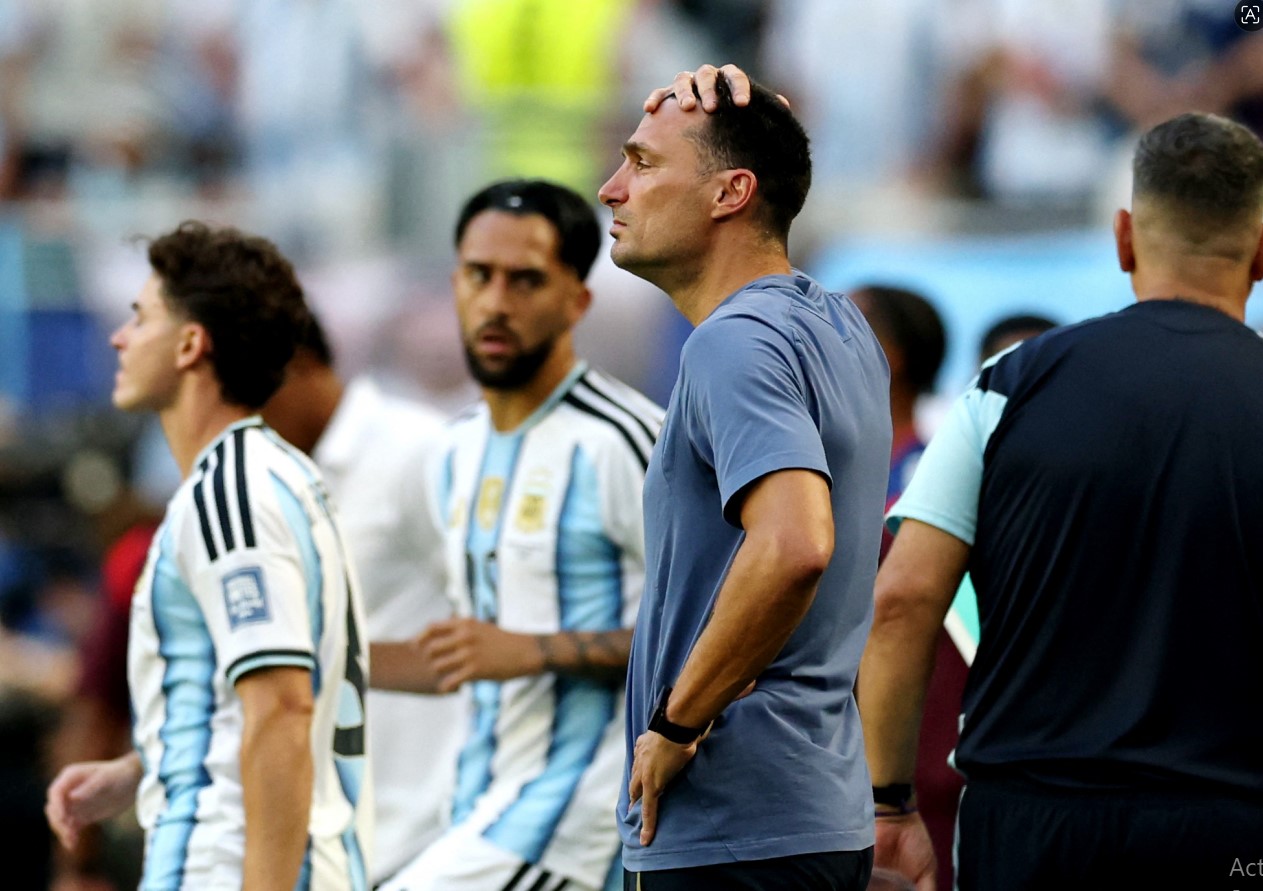
Even Argentina’s coach Lionel Scaloni acknowledged the truth after the match: “There are no easy matches in the World Cup… Cape Verde gave 200 percent.”
What lingers most is not the result, but the image: Cape Verde players standing exhausted yet unbroken, having pushed the world champions to their limits on the biggest stage imaginable. That is where admiration is born--not in victory, but in the refusal to be diminished.
What we achieved was about showing what is possible for small nations—with big hearts, you can believe, and dream that anything is possible.
They leave the tournament without progression, but with something arguably more valuable for a debutant nation: identity, belief, and global recognition. As Bubista rightly insisted, this team has given their country something to be proud of.
As defender Pico Lopes put it: “What we achieved was about showing what is possible for small nations—with big hearts, you can believe, and dream that anything is possible.”
 For all latest news, follow The Daily Star's Google News channel.
Comments