


Perils of Messi dependency
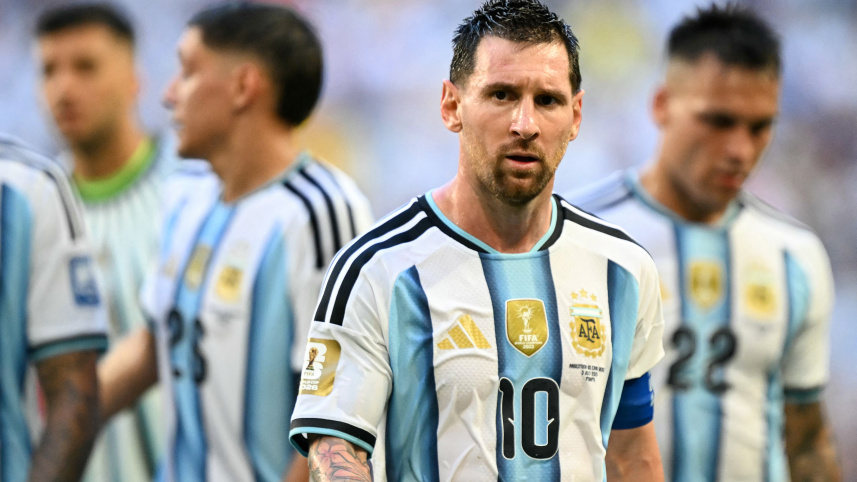
The scoreline at Miami Stadium reads like a classic World Cup epic: Argentina 3, Cape Verde 2, after a gruelling 120 minutes of extra-time drama. For the romantic neutral, Cape Verde -- an African archipelago with a population the size of Sylhet -- nearly produced the greatest shock in tournament history, matching the reigning world champions blow for blow.
For coach Lionel Scaloni, though, this nail-biting victory must serve as an urgent, flashing red light. Beyond the relief of advancing to the Round of 16 for a sixth consecutive tournament, today’s affair exposed the structural fragility of an old Argentine pathology: the absolute reliance on a once-in-a-lifetime talent.

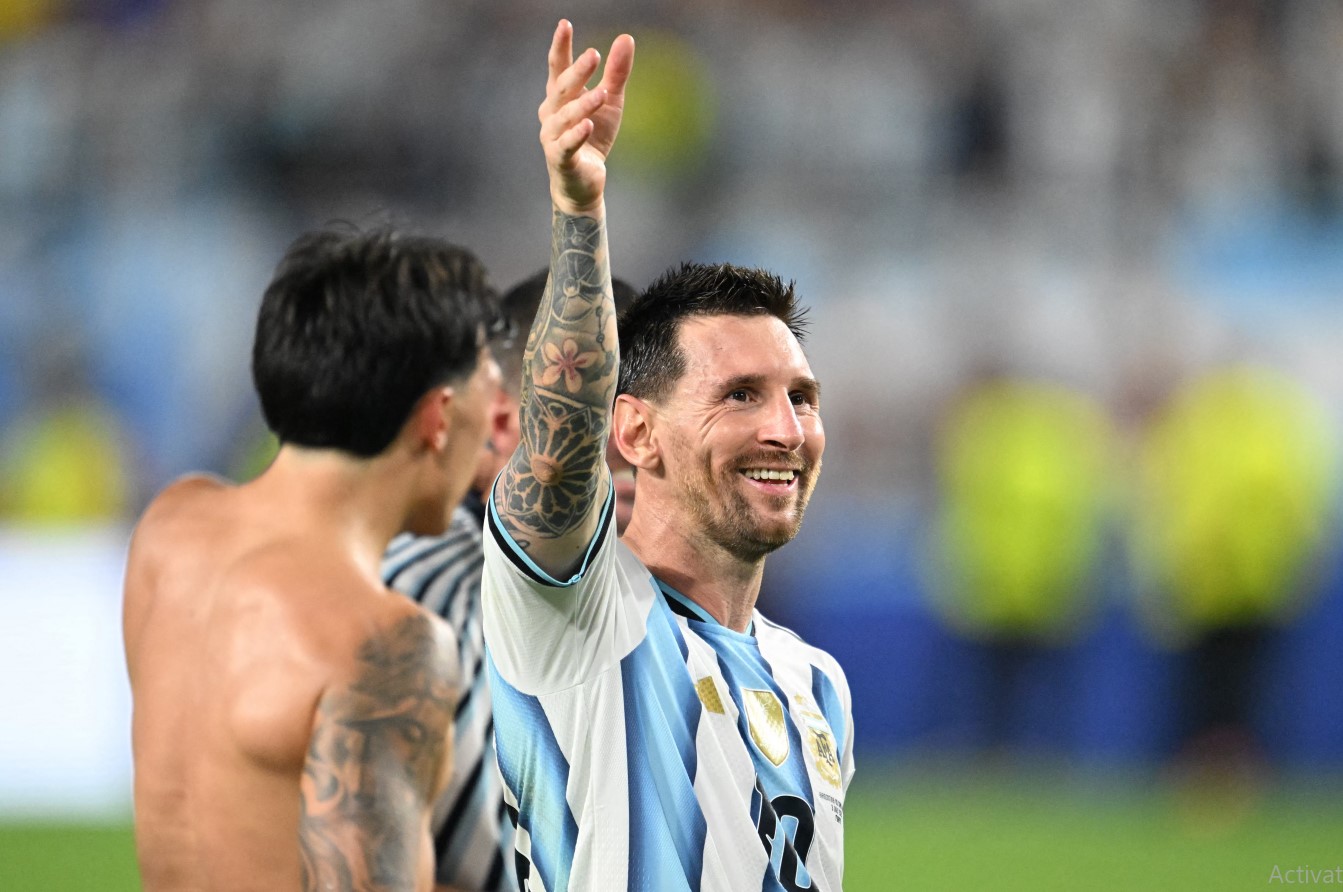
From the opening whistle, almost everything in the Albiceleste vanguard was orchestrated by Lionel Messi. When he plucked a long ball out of the humid Florida sky with an immaculate first touch and fired home from a tight angle, it felt like business as usual.
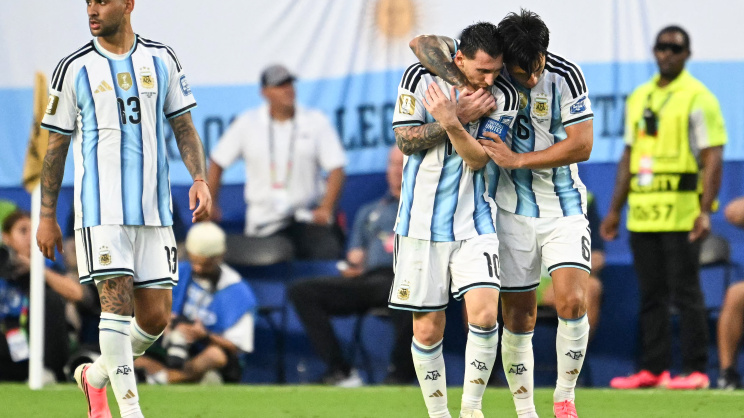
It was Messi’s 20th career World Cup goal, keeping him at the summit of the Golden Boot race with seven goals. The diminutive game-changer also extended his World Cup scoring streak to eight matches, becoming the first player since Brazilian icon Vava in 1962 to score in five successive knockout fixtures.
But what followed should deeply concern the technical staff. Instead of shifting into a controlling rhythm, Argentina simply went through the motions, appearing careless with their ball distribution. It was instant karma when Deroy Duarte equalised, and later, when Sidny Lopes Cabral levelled the margin with a breathtaking, goal-of-the-tournament contender.
Suddenly, Argentina looked entirely devoid of answers that didn't involve their captain pulling another rabbit out of his hat. Ultimately, it took centre-back Lisandro Martinez to regain the lead and a deflected own goal from Diney Borges, following a Messi corner, to spare Argentina's blushes.
This lopsided distribution reveals a stark reality: the goals are not popping up from the likely suspects. Out of eleven team goals across four matches, Messi has personally logged seven. The remaining slim pickings consist of a single Lautaro Martinez penalty against Jordan before a brief second-half Messi cameo, one goal from midfielder Giovani Lo Celso who is not a regular starter, the strike from Lisandro, and the decisive own goal forced against Cape Verde.
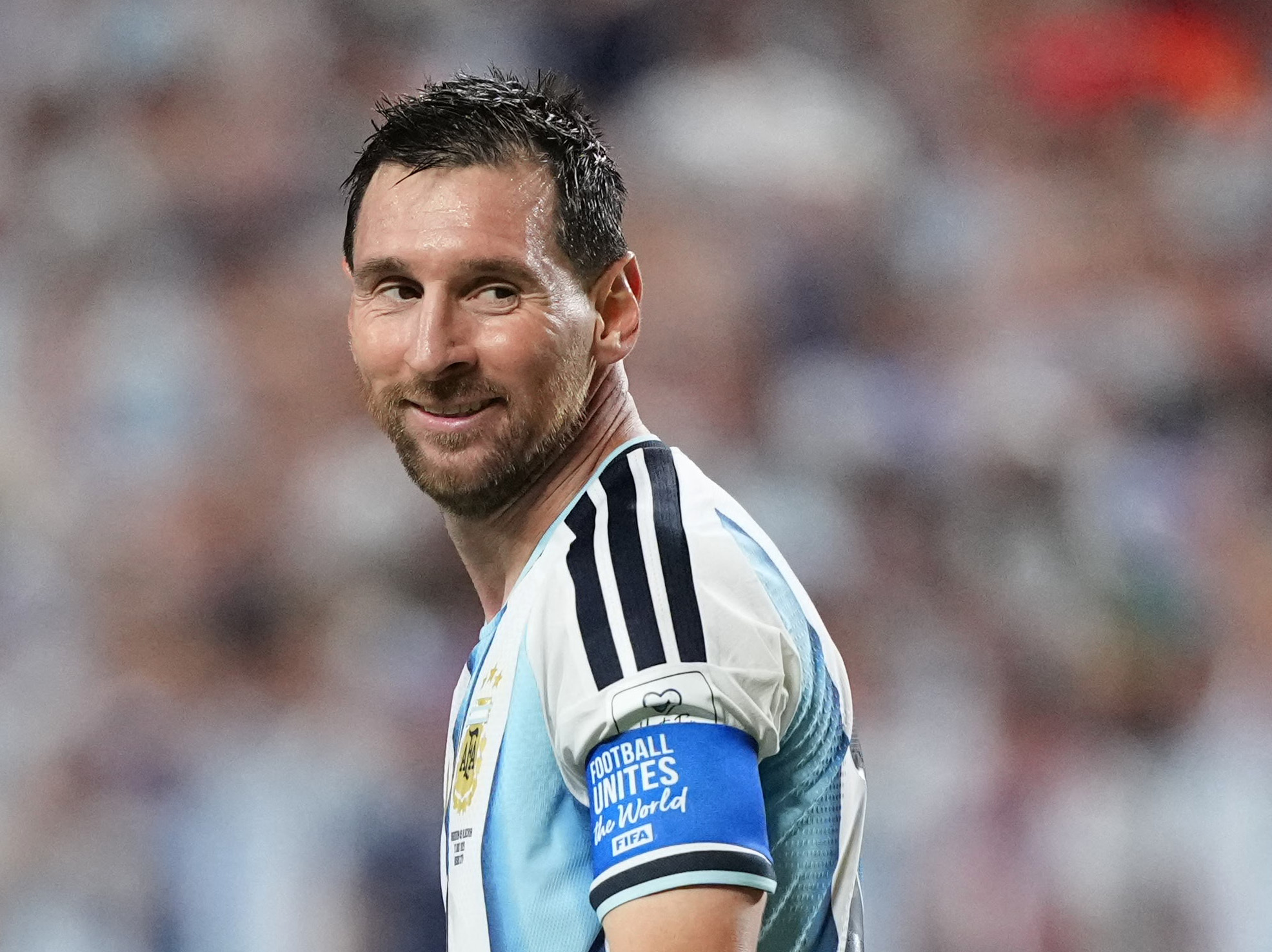
Strikers like Lautaro and Julian Alvarez, coming on as substitutes, are yet to find their rhythm in open play, leaving a staggering workload on the shoulders of an aging talisman.
Ever since the 2010 World Cup, Argentina have wrestled with this hyper-dependence, with the likes of Gonzalo Higuain and Sergio Aguero often looking a shadow of their clinical club selves on the biggest stage. While their triumphant 2022 campaign in Qatar succeeded because Scaloni forged a cohesive, sacrificial unit around his captain, the core blueprint remained unchanged: Messi still had to provide the decisive moments of magic.
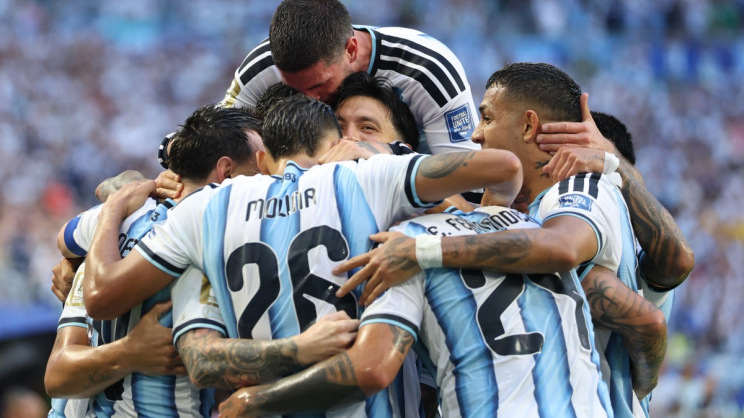
In North America, during their title defence, the trend has intensified. Ahead of the match, left-back Facundo Medina passionately declared that the squad is willing to give their lives for Messi. It is a beautiful sentiment, showcasing fierce devotion; but true devotion right now means taking the physical burden off him, not piling more onto his shoulders.
Following the final whistle, Messi acknowledged that the team put in a huge effort, "playing well and playing badly," and noted that they must correct the bad things, which he admitted were many on the night. Scaloni echoed his captain’s sober assessment. Perhaps, however, this agonising battle against a brilliant, reactive Cape Verde side is a blessing in disguise.
It is a traditional Argentine trait to flirt with danger in the early phases before hitting peak form in the knockouts. For the first time in this edition, goalkeeper Emiliano Martinez and his backline were thoroughly examined by an opponent adept at both low-block defending and calculative counter-attacking.
With a treacherous path ahead -- starting with a disciplined Egypt in Atlanta, a potential quarterfinal clash against a fluid Colombia, and a semifinal horizon containing either Brazil or England -- the luxury of playing in second gear is officially gone. Scaloni has days to inject fluidity and tactical assertiveness back into his side.
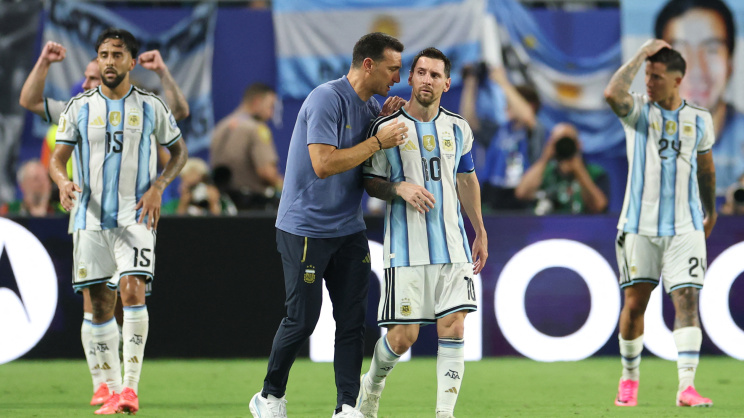
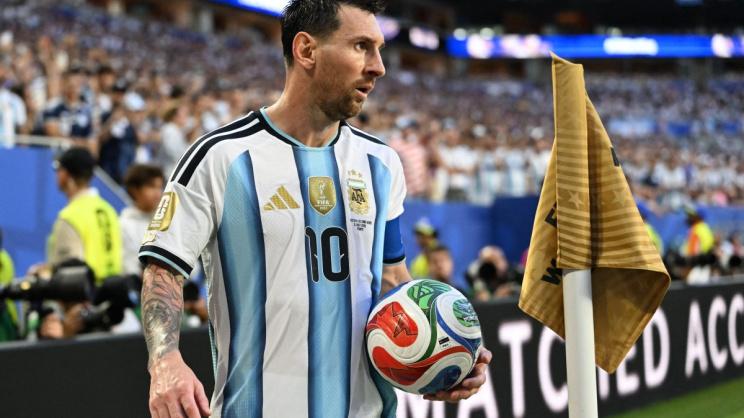
Should Messi still be expected to amble over to the corner flag for every delivery or drop deep into midfield just to progress the ball?
At 39, the spectre of muscular fatigue or injury is a mathematical certainty if this workload continues. If this overwhelming dependency stays constant, even the golden goose laying eggs may not be enough when the tournament reaches its deep end.
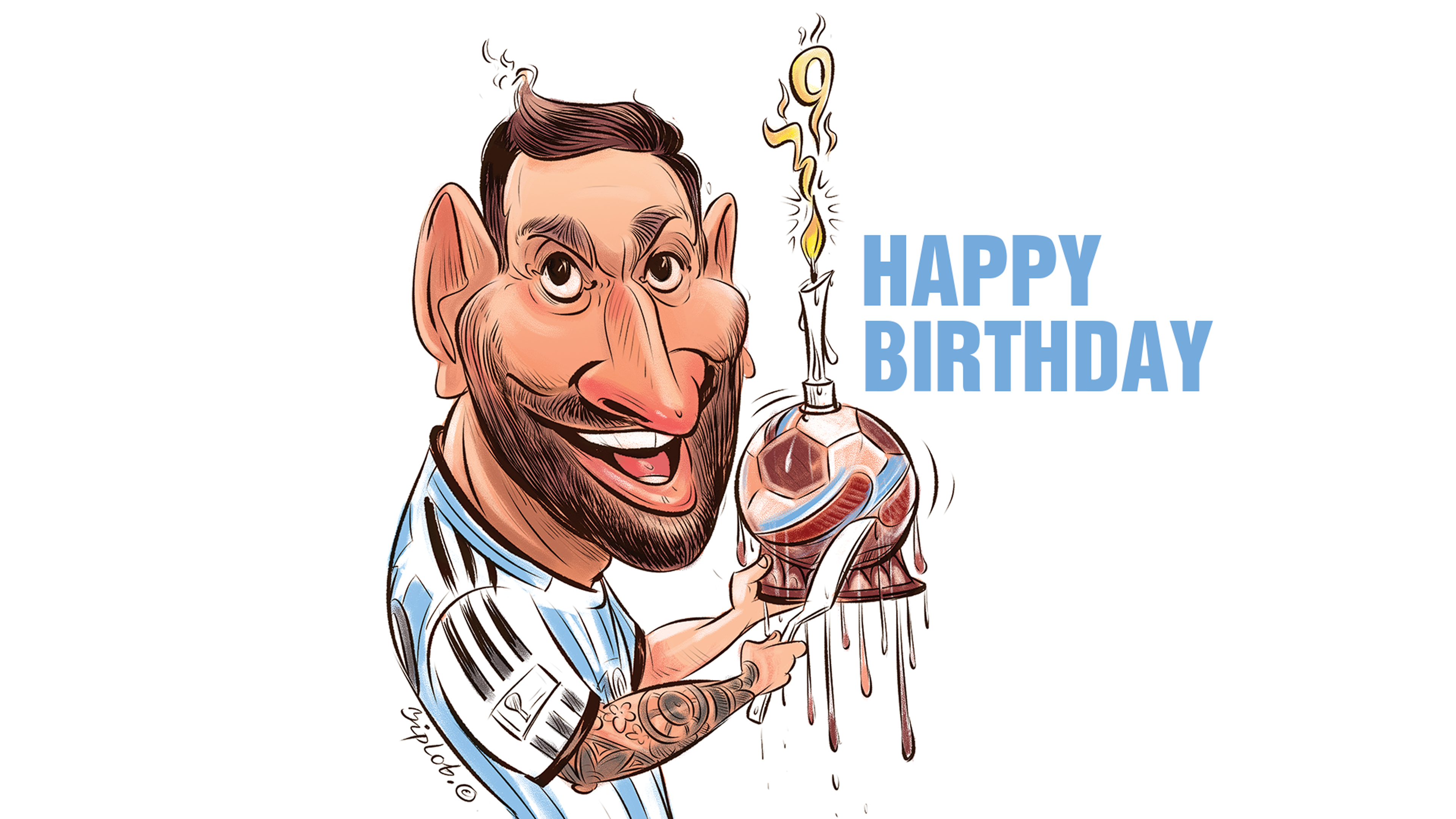
Argentina's supporting cast must become larger than the sum of their parts. To preserve their king and retain their crown, the rest of the world champions must finally start carrying their own weight.

 For all latest news, follow The Daily Star's Google News channel.
Comments