


Tactical masterclass trumps rigidity


Beyond Spain’s 2-0 victory over France in the World Cup semifinal in Dallas lay a far more compelling story than the scoreline itself -- one of a tactical masterclass from Luis de la Fuente that Didier Deschamps never truly recognised, let alone countered.
The result was almost inevitable.

France arrived in North America as one of the favourites, armed with an enviable collection of attacking talent in Kylian Mbappe, Ousmane Dembele, Michael Olise, Bradley Barcola and Desire Doue. On paper, Les Bleus possessed enough firepower to overwhelm almost any opponent.
Instead, they were methodically dismantled by a Spanish side that dictated every phase of the contest.
What promised to be a thrilling clash between two of football’s most gifted teams quickly turned into a one-sided tactical exhibition. Spain controlled the tempo from the opening whistle, denying France the rhythm and space they had enjoyed throughout the tournament.
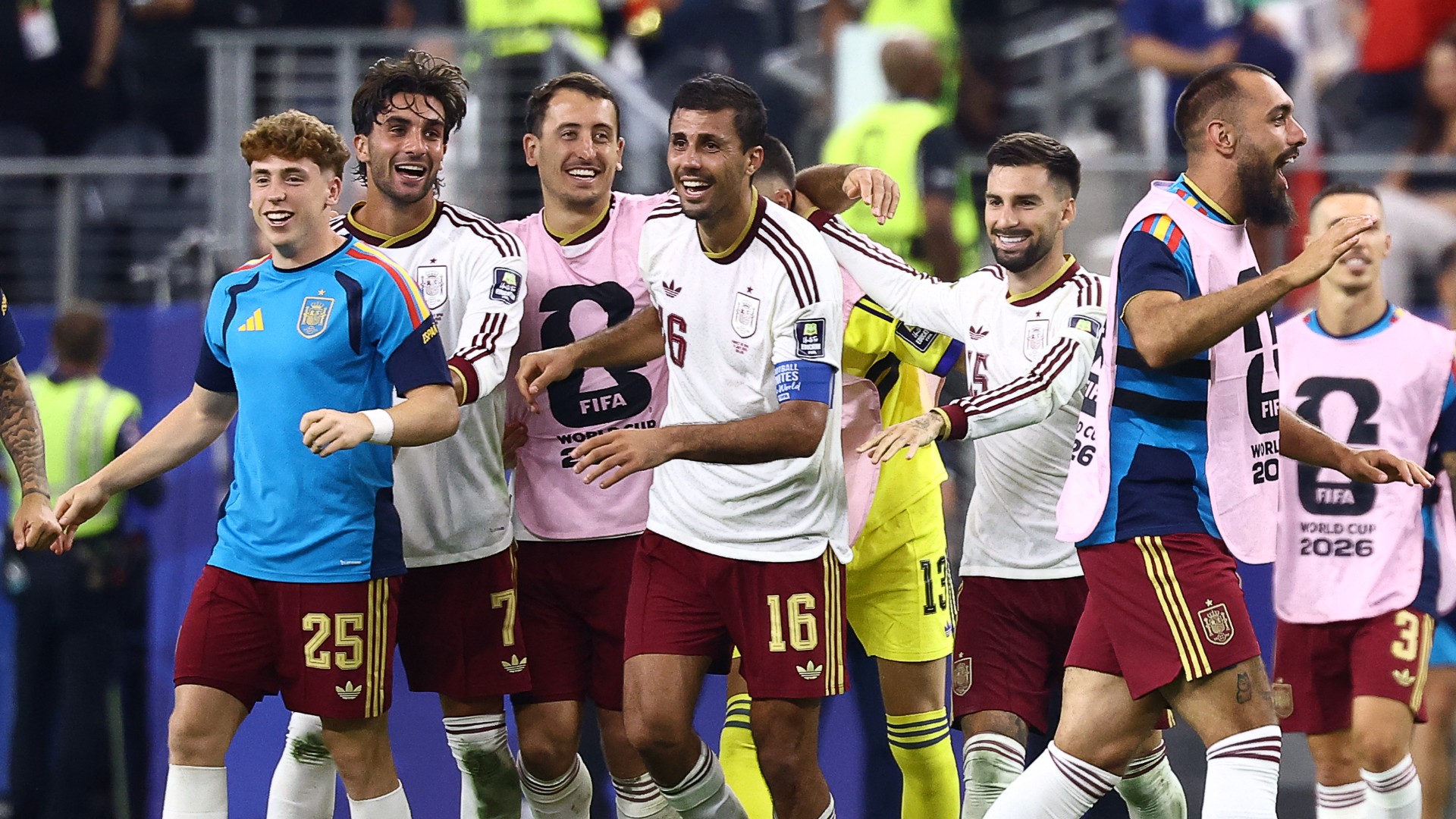
De la Fuente executed a plan that has become synonymous with his Spain side. Comfortable in possession and disciplined without the ball, La Roja built their game around a three-man midfield of Rodri, Fabian Ruiz, and Dani Olmo, using numerical superiority to dominate the centre of the pitch.
That was where the match was won. Time and again, Spain’s midfield trio overwhelmed France’s pairing of Adrien Rabiot and Aurelien Tchouameni.
De la Fuente’s players consistently outnumbered France around second balls, closed passing lanes with remarkable discipline and ensured every French attack began under pressure.
The worrying part for Deschamps was not simply that Spain were executing their plan. It was that France never adjusted. Whether he failed to recognise where the battle was being lost or remained too rigid to change his original structure, the outcome reflected poorly on a coach who guided France to the 2018 World Cup title and another final four years later.
Even his players recognised the problem.
"We kept finding ourselves outnumbered 3-on-2 in midfield," Mbappe admitted after the match.
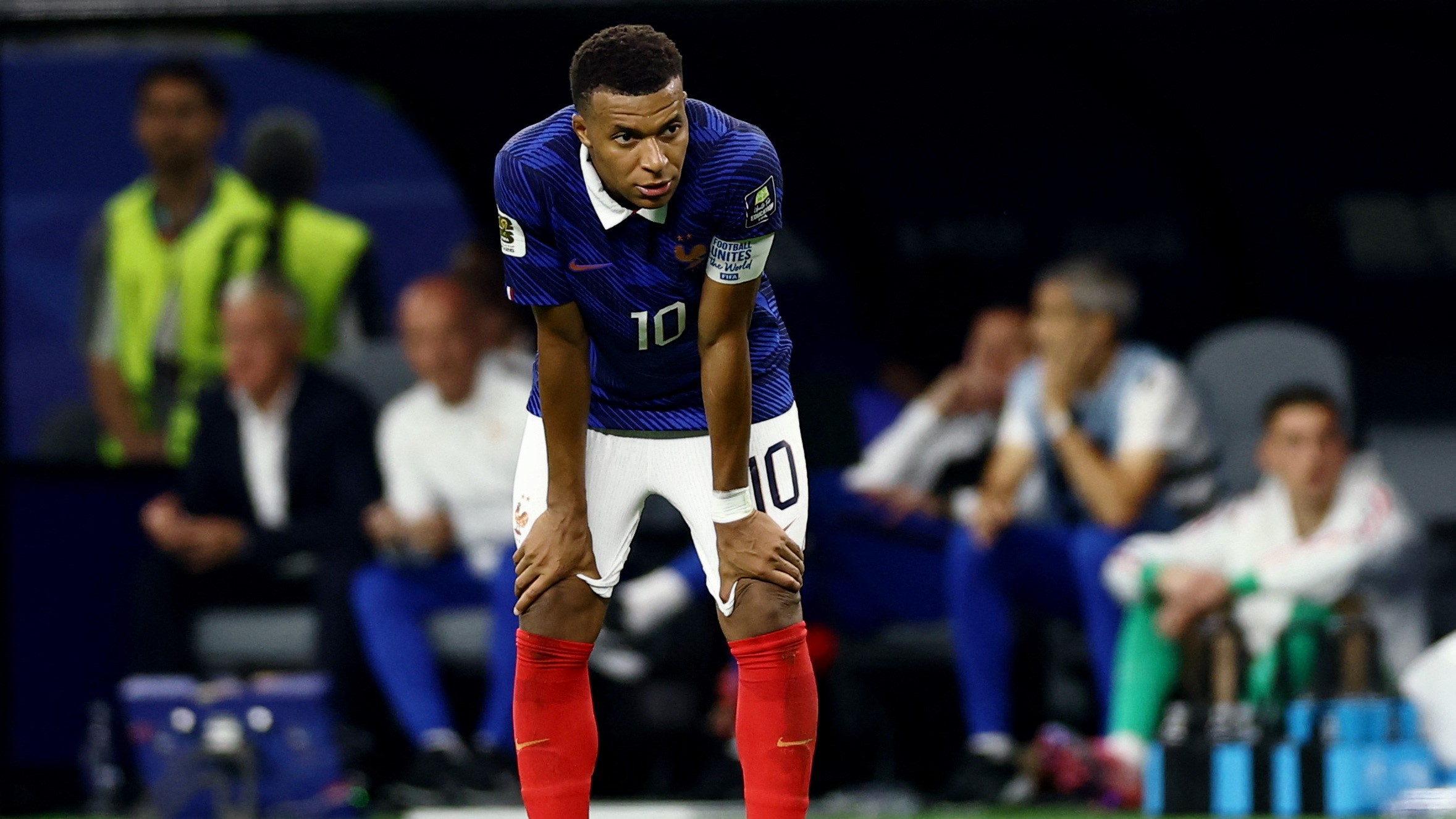
Deschamps himself conceded that France were "a notch below on the technical level," but the issue extended beyond technical quality. Spain did not simply play better football; they created a tactical scenario that France never escaped.
Throughout the tournament, France's attacking stars had either overwhelmed opponents with their pace and movement or produced moments of individual brilliance when matches became physical and congested.
Against Spain, those weapons were rendered almost useless.
Mbappe rarely found the open spaces needed to unleash his pace. Barcola and Doue struggled to combine in the final third, while Olise -- arguably the tournament's outstanding attacking midfielder -- was repeatedly crowded out by Spain's compact midfield block.
So suffocating was Spain's control that Olise eventually drifted towards the right flank in search of pockets of space that simply did not exist.
Even when Mbappe threatened to break in behind, Spain had anticipated the danger. Goalkeeper Unai Simon repeatedly rushed off his line to snuff out attacks before they developed, another indication of just how comprehensively De la Fuente had prepared his side for France's transitional game.
The statistics only reinforced what the eye could already see. France, boasting one of the tournament's most feared attacks, needed more than 75 minutes to register their first shot on target.
 For all latest news, follow The Daily Star's Google News channel.
 By then, Spain were comfortably protecting a 2-0 lead.
Deschamps was not without misfortune. William Saliba's injury after 29 minutes forced the introduction of the inexperienced Maxence Lacroix alongside Dayot Upamecano, disrupting a defensive partnership that had started every match of the tournament.
But that setback did not explain France's failure to regain control where it mattered most.
By the 71st minute, Deschamps had used all five substitutions, yet never altered the midfield structure that Spain had exploited throughout the evening. Manu Kone and Rayan Cherki entered the game, but they merely replaced personnel rather than changing the tactical equation.
Spain, meanwhile, never had to adapt.
In the end, Spain's victory was not built solely on superior technique or sharper finishing. It was the product of a coach who identified exactly where the game would be won and devised a plan to seize complete control.
Just as importantly, it was a reminder that football's biggest matches are often decided long before the final whistle -- not only by the quality on the pitch, but by the tactical battles on the touchline. In Dallas, De la Fuente won emphatically, while Deschamps never found a response.
Comments