


Heatwaves, rural demand boost AC sales
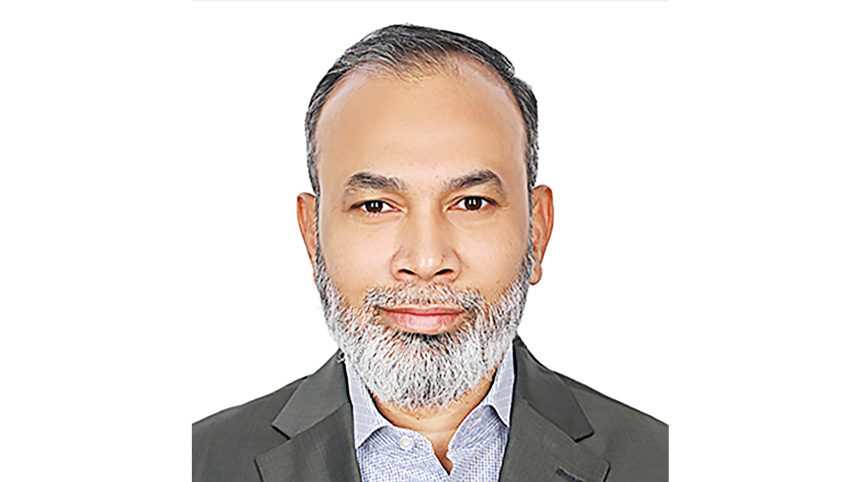
Md. Nurul Afser
Deputy Managing Director
Electro Mart Group

Nearly 45% of our sales come from district and semi-urban areas. To overcome rural challenges like voltage instability and low awareness, we are leveraging government power initiatives and our extensive network—5,000+ technicians, 2,000+ dealers, 70+ showrooms, and digital media—to drive growth.
Record-breaking heatwaves over the past two years have fundamentally altered the consumer landscape in Bangladesh. Air conditioners have turned from high-end luxuries into essential household appliances. In this interview, Md. Nurul Afser, Deputy Managing Director of Electro Mart Group, discusses the projected 20% demand surge for 2026 and how the industry is evolving through AI-driven efficiency and a massive expansion into district towns.
The Daily Star(TDS): With temperatures hitting record highs, how has the demand forecast for 2026 changed?
Md. Nurul Afser(MNA): The prolonged heatwaves over the past two years have structurally shifted the AC market in Bangladesh. For 2026, we are projecting a 15–20% increase in overall demand compared to earlier forecasts. Air conditioners are no longer viewed as luxury items but as essential home appliances, particularly among middle-income households, along with rural and semi-urban areas.
TDS: Almost all new models focus on inverter technology. Is there still a future for non-inverter ACs in Bangladesh?
MNA: Inverter technology now accounts for over 80% of new AC sales. However, non-inverter units will not disappear entirely. There remains a niche market in small retail shops, offices, first-time buyer and certain commercial applications where usage hours are limited and upfront cost sensitivity is high.
TDS: What challenges do local manufacturers face in transitioning to R32 refrigerant?
MNA: R32 is more environmentally friendly with a lower Global Warming Potential (GWP). Additionally, dependence on imported components and fluctuations in the US dollar increase cost pressures. However, from a sustainability perspective, the transition is both necessary and inevitable.
TDS: As you launch the Gree ‘Airy’ inverter AC series, how does AI personalise cooling?
MNA: The new Gree ‘Airy’ inverter series integrates AI-driven sensors that analyse room temperature, humidity levels, and occupancy patterns to optimise compressor performance automatically. Compared to conventional inverter models, customers can expect an additional 10–15% energy savings. The system reduces unnecessary compressor load while maintaining stable and comfortable cooling. It features WiFi & Bluetooth connectivity, voice control and an advanced Cold Plasma sterilisation system that eliminates 93% of bacteria and viruses, keeping your home environment clean and healthy.
Interview conducted by Adrin Sarwar
 For all latest news, follow The Daily Star's Google News channel.
Comments