


How air conditioning protects from air pollution

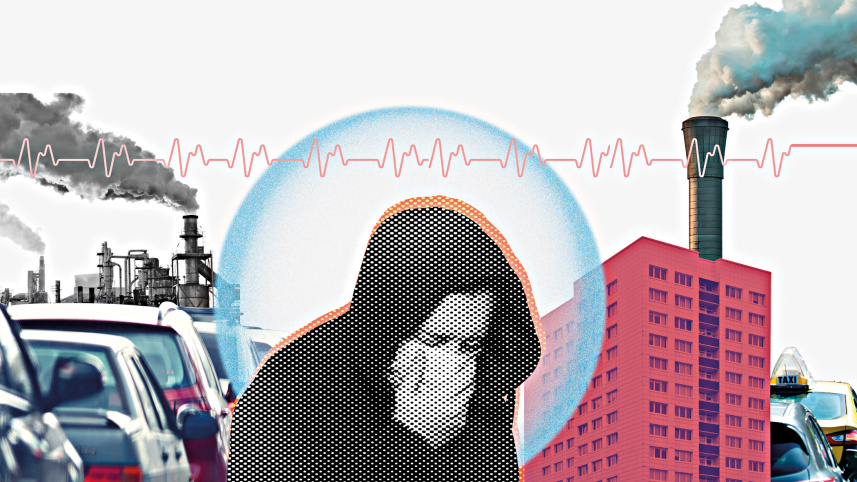
As of 2024, more than 55% of the world’s population lives in urban areas, which is expected to rise to nearly 70% by 2050. While cities are hubs of innovation and economy, they are also epicentres of concentrated air pollution. Between vehicle emissions, industrial runoff, and the “Urban Heat Island” effect, city dwellers are constantly exposed to a “toxic soup” of atmospheric pollutants. In this context, air conditioning (AC) has evolved. No longer merely a tool for thermal comfort, modern HVAC (Heating, Ventilation, and Air Conditioning) systems have become the primary line of defence in maintaining public health.
Filtration of particulate matter

AC improves urban air quality by filtering harmful particles like PM2.5 and PM10. Standard residential filters (MERV 8-11) catch dust and pollen, while high-grade versions (MERV 13-16) trap bacteria and smog. Constant air circulation through these filters ensures indoor air stays significantly cleaner than the polluted street air.
A sealed envelope
One of the greatest risks to urban health is infiltration. In high-traffic cities, outdoor air often contains high levels of nitrogen dioxide and ground-level ozone. When a building utilises air conditioning, it creates a “sealed envelope.” AC seals your home by keeping windows closed, blocking exhaust and soot. Advanced systems also use positive pressure to push air out of cracks, preventing unfiltered outdoor pollutants from leaking in.
Controlling humidity and mould
High humidity in cities breeds mould and dust mites. According to the World Health Organization (WHO), indoor dampness and mould are major triggers for asthma and chronic obstructive pulmonary disease (COPD). Air conditioners act as large-scale dehumidifiers. By stripping excess moisture from the air, they keep indoor humidity levels between the “healthy zone” of 30% to 50%, effectively neutralising biological pollutants before they can colonise.
Mitigation of VOC
Off-Gassing Cities are full of synthetic materials—paints, treated woods, plastics, and carpets. These materials release Volatile Organic Compounds (VOCs). Heat speeds up the release of toxic VOCs from synthetic materials. By maintaining cool, stable temperatures, AC slows this “off-gassing.” Advanced units also use activated carbon filters to chemically remove these toxins and odors from the air.
Urban heat island paradox
The relationship between AC and air quality is complex. The Urban Heat Island (UHI) effect makes cities 5–15°C warmer than rural areas as concrete absorbs heat. AC units worsen this by dumping indoor heat onto streets, creating a feedback loop where rising heat increases smog, making cooling even more essential for survival. To combat this, urban planners are adopting District Cooling Systems—centralised plants that cool entire neighborhoods more efficiently than individual units.
Smart sensing and purification
The next generation of urban AC is intelligent. We are seeing the integration of: HEPA and UV-C Light: Systems that use ultraviolet light to kill airborne viruses and bacteria, a technology that gained massive traction post-COVID-19. Modern units can now detect high levels of CO2 or PM2.5 and automatically increase ventilation or filtration rates.
In modern cities, the AC has evolved from a luxury into vital health infrastructure. Despite energy challenges, its ability to filter particles, control humidity, and block urban toxins is indispensable. For the urban dweller, the AC isn’t just cooling the room; it is cleaning the very air they breathe.
 For all latest news, follow The Daily Star's Google News channel.
Comments