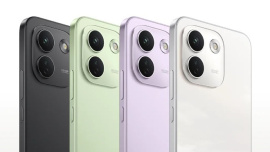
Robot phones and AI PCs: everything announced in MWC 2026 so far
The Mobile World Congress 2026 opened on Monday in Barcelona, with the telecoms and consumer tech show running from 2 to 5 March at Fira Gran Via. Companies used the weekend build-up to preview a wave of new smartphones, tablets and laptops, alongside experimental concepts built around flexible displays, modular hardware and on-device AI features.
Lenovo arrived with a mix of shipping products and show-floor prototypes, headlined by the Legion Go Fold, a concept gaming handheld built around a flexible screen that expands to 11.6 inches and folds down to a 7.7-inch display. Detachable controllers clip to either side, and Lenovo showed different mounting points that allow portrait or landscape use, as well as a folio cover that props the display up like a kickstand.

Lenovo also demonstrated a second concept, the ThinkBook Modular AI PC, which pairs a clamshell laptop base with a movable secondary display and a detachable keyboard. The company has also been pitching swappable I O modules, showing how different ports could be swapped in and out depending on use. Lenovo has described the modular approach as a way to adapt layouts to work environments while extending the usable life of devices, though it has not said whether the concept will be commercialised.
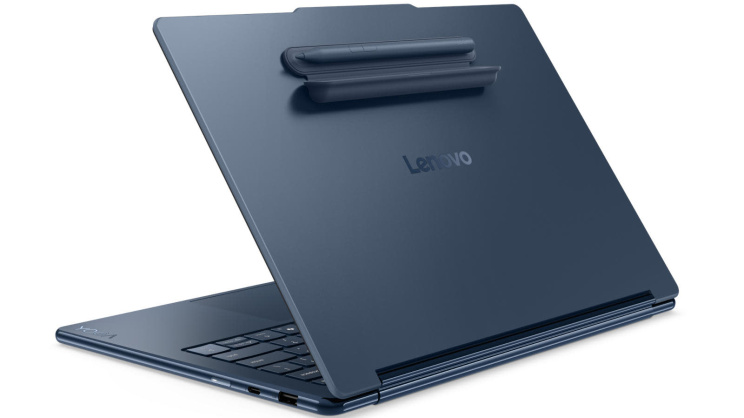
Alongside the concepts, Lenovo refreshed parts of its consumer lineup, including a Yoga 9i 2-in-1 Aura Edition Gen 11 starting at $1,949, a 15.3-inch Yoga Pro 7a starting at $2,099, and an IdeaPad Slim 5i Ultra priced from $799, with AI features framed around Microsoft’s Copilot+ branding. The company also announced an Idea Tab Pro Gen 2 from $419 and a Legion Tab Gen 5 gaming tablet priced at $849, which is due to launch in May, followed by a Legion 7a Gen 11 gaming laptop from $2,299 in July, according to published specifications and pricing shared around the show.
Lenovo’s other attention grabber came in the form of desktop concepts positioned as workplace companions, including an AI Workmate prototype with an animated face and a projector built into its head, alongside a smaller display and clock style device aimed at task organisation. Demonstrations focused on basic productivity scenarios such as projecting documents onto nearby surfaces.
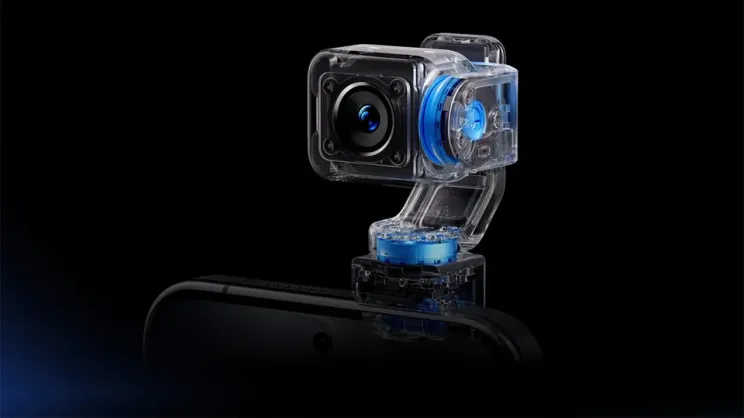
Honor, meanwhile, used MWC to expand on its “Robot Phone”, a smartphone with a gimbal-mounted camera arm that folds out from the rear casing and can physically move while filming. The company says the main sensor is 200 megapixels, with stabilisation and AI tracking modes designed to keep subjects centred, although full specifications and release markets have not yet been confirmed. Honor and several attending reporters said the device is planned for launch later in 2026, with availability expected to start in China.
The company also introduced a humanoid robot on stage and reiterated plans to explore industrial and domestic uses, though it did not provide technical detail on the platform. At the same event, Honor announced the Magic V6 foldable, which it says is 4.0mm thick when open and 8.75mm when folded in its thinnest colour option, and claims the first IP69 rated foldable for water resistance. Pricing and international availability have yet to be announced.
Honor also brought its tablet line into the spotlight with the MagicPad 4, which the company says is 4.8mm thick and uses a 12.3-inch OLED display with a 165Hz refresh rate. The MagicPad 4 is built around Qualcomm’s Snapdragon 8 Gen 5 platform and includes an eight-speaker setup marketed for spatial audio, though Honor has not yet shared pricing.
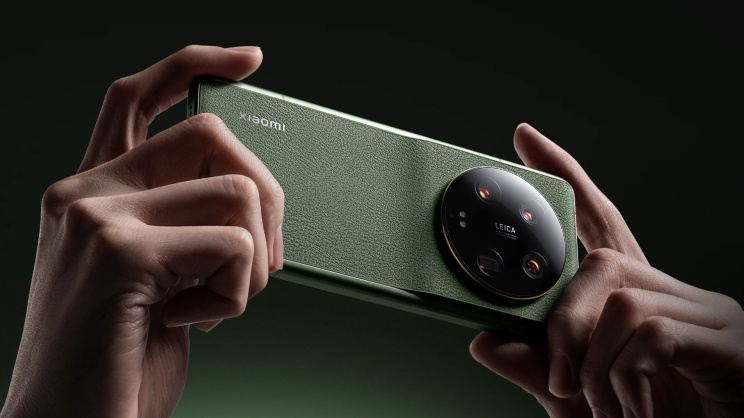
Xiaomi and its camera partner Leica focused their MWC messaging on hardware, using the show to push the global rollout of the Xiaomi 17 Ultra in Europe and to unveil the Leica-branded Leitzphone by Xiaomi. The phones share a photography-centred design and physical camera controls, including a zoom ring, with Xiaomi highlighting a 1-inch type main sensor and a telephoto system built around a 200-megapixel sensor with a continuous optical zoom range. The Xiaomi 17 Ultra starts at £1,299 in the UK, while the Leica-branded Leitzphone is priced at €1,999, according to published pricing from the launch.
Beyond phones, Xiaomi announced the Pad 8 and Pad 8 Pro tablets, both billed as 5.75mm thick with 9,200mAh batteries, and introduced a magnetic 5,000mAh power bank alongside a new Bluetooth tracker called the Xiaomi Tag. The company says the Tag can work with either Apple’s Find My network or Google’s Find Hub, and is sold at a lower price than Apple’s AirTag in several markets.
Tecno added to the show’s concept-heavy strand with a modular phone design that it says can be as thin as 4.9mm in its base configuration, using magnetic attachments to add hardware modules such as extra lenses or power accessories. As with many MWC prototypes, Tecno has not confirmed whether the system will reach mass production.
MWC continues through Thursday, with more product launches expected across phones, laptops and connected devices as the show floor opens to demonstrations and hands-on briefings.
 For all latest news, follow The Daily Star's Google News channel.
The foldable iPhone is here: meet iPhone Duo

Apple unveils iPhone 18 Pro and iPhone 18 Pro Max
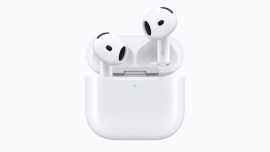
Apple unveils AirPods 5
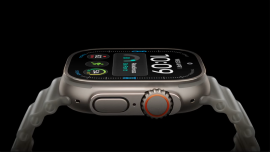
Apple unveils Apple Watch Ultra 4
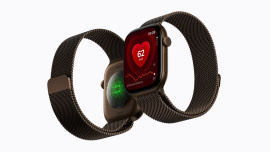
Apple unveils Apple Watch Series 12

Watch Apple unveil its new iPhone: LIVE

A data centre vs Brick Lane: London’s Bangladeshi community fights back

OpenAI says it solved a 90-year-old maths problem