


Anthropocene is here
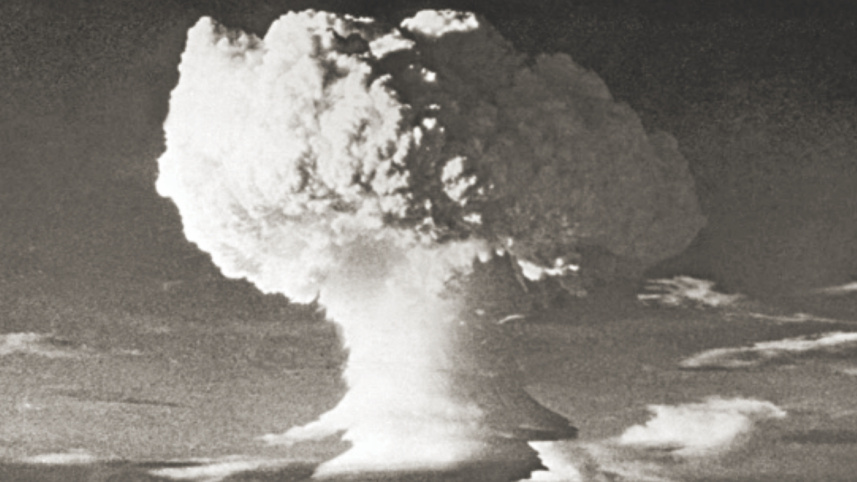
The human impact on Earth's chemistry and climate has cut short the 11,700-year-old geological epoch known as the Holocene and ushered in a new one, scientists said yesterday.
The Anthropocene, or "new age of man," would start from the mid-20th century if their recommendation -- submitted yesterday to the International Geological Congress in Cape Town, South Africa -- is adopted.

That approval process is likely to take at least two years and requires ratification by three other academic bodies.
But after seven years of deliberation, the 35-strong Working Group has unanimously recognised the Anthropocene as a reality, and voted 30-to-three (with two abstentions) for the transition to be officially registered.
"Our working model is that the optimal boundary is the mid-20th century," said Jan Zalasiewicz, a geologist at the University of Leicester.
"If adopted -- and we're a long way from that -- the Holocene would finish and the Anthropocene would formally be held to have begun."
Scientists refer to the period starting from 1950 as the "Great Acceleration", and a glance at graphs tracking a number of chemical and socio-economic changes make it obvious why.
Concentrations in the air of carbon dioxide, methane and stratospheric ozone; surface temperatures, ocean acidification, marine fish harvesting, and tropical forest loss; population growth, construction of large dams, international tourism -- all of them take off from about mid-century.
One of the main culprits is global warming driven by the burning of fossil fuels.
 For all latest news, follow The Daily Star's Google News channel.
Comments