


BREXIT: THINGS TO KNOW
What is the background of the referendum?
During the Conservative campaign for the 2015 UK general elections, Prime Minister David Cameron promised that, if the Conservative Party were to win these elections, he would negotiate a settlement with the EU on issues of concern for the UK and submit that settlement to a referendum as to whether the UK should leave or stay in the EU. The leaders of the other EU Member States reached an agreement on such a settlement with the UK government at the 19 February 2016 European Council. It will only come into force if the UK decides (after the referendum) to stay in the EU. On 23 June 2016, the British voter will be asked the following question:''Should the UK remain a member of the EU or leave the EU?''

What has happened?
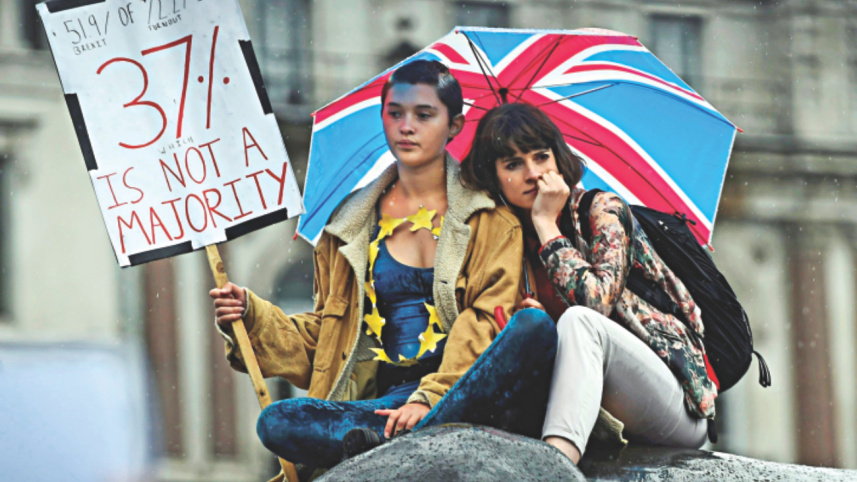
Leave won by 52% to 48%. The referendum turnout was 71.8%, with more than 30 million people voting. It was the highest turnout in a UK-wide vote since the 1992 general election.
What region voted for what?
England voted strongly for Brexit, by 53.4% to 46.6%, as did Wales, with Leave getting 52.5% of the vote and Remain 47.5%. Scotland and Northern Ireland both backed staying in the EU. Scotland backed Remain by 62% to 38%, while 55.8% in Northern Ireland voted Remain and 44.2% Leave.
What happens now?
For the UK to leave the EU it has to invoke an agreement called Article 50 of the Lisbon Treaty. Invoking this will then set in motion the formal legal process of withdrawing from the EU, and give the UK two years to negotiate its withdrawal. Prime Minister David Cameron, who said before the vote that Article 50 would be triggered straight away, announced on Friday he would resign by October and leave that task to a successor. But EU, fearing more populist succession, demands a quick divorce.
What UK, EU officials eying now?
Many EU officials see two treaties with Britain being worked on in parallel: a "divorce" pact under Article 50, unwinding the EU budget for example, which would have to be agreed by a weighted majority of the 27 others and done in under two years; and a separate deal on a new economic relationship that would require unanimous acceptance by the bloc and which most expect would take longer to complete.
How long would it take to leave the EU?
It would take a minimum of two years for the UK to leave the EU. During that time Britain would continue to abide by EU treaties and laws - however it would not take part in any decision making. The two-year limit is intended to shorten uncertainty but can be dodged. Many officials say the process may be uncomfortable for both the parties and may take years to be completed.
What happens to UK citizens working in EU?
A lot depends on the kind of deal the UK agrees with the EU after exit. If it remains within the single market, it would almost certainly retain free movement rights, allowing UK citizens to work in the EU and vice versa. If the government opted to impose work permit restrictions, as UKIP wants, then other countries could reciprocate, meaning Britons would have to apply for visas to work.
Will Britons need a visa to travel to the EU?
While there could be limitations on British nationals' ability to live and work in EU countries, it seems unlikely they would want to deter tourists. There are many countries outside the EEA that British citizens can visit for up to 90 days without needing a visa and it is possible that such arrangements could be negotiated with European countries.
What about EU nationals in the UK?
Again, it depends on whether the UK government decides to introduce a work permit system of the kind that currently applies to non-EU citizens, limiting entry to skilled workers in professions where there are shortages. But until then things are as like before.
What about current passport?
 For all latest news, follow The Daily Star's Google News channel.
 Yes. It is a British document - there is no such thing as an EU passport, so the passport will stay the same. In theory, the government could, if it wanted, decide to change the colour, which is currently standardised for EU countries, says the BBC's Europe correspondent, Chris Morris.
What is a single market?
The single market is seen by its advocates as the EU's biggest achievement and one of the main reasons it was set up in the first place. Britain was a member of a free trade area in Europe before it joined what was then known as the common market. In a free trade area countries can trade with each other without paying tariffs - but it is not a single market because the member states do not have to merge their economies together.The European Union single market, which was completed in 1992, allows the free movement of goods, services, money and people within the European Union, as if it was a single country. It is possible to set up a business or take a job anywhere within it.
What does this mean for UK's unity?
Scotland's First Minister Nicola Sturgeon said in the wake of the Leave result that it is "democratically unacceptable" that Scotland faces being taken out of the EU when it voted to Remain. A second independence referendum for the country is now "highly likely", she has said. Northern Ireland's Deputy First Minister Martin McGuinness said the impact in his country would be "very profound" and that the whole island of Ireland should now be able to vote on reunification. But Northern Ireland Secretary Theresa Villiers has ruled out the call from Sinn Féin for a border poll, saying the circumstances in which one would be called did not exist.
How much does really UK contribute to EU?
The UK is one of 10 member states who pay more into the EU budget than they get out, only France and Germany contribute more. The UK also gets an annual and money back, in the form of regional development grants and payments to farmers, which added up to £4.6bn in 2014/15. According to the latest Treasury figures, the UK's net contribution for 2014/15 was £8.8bn - nearly double what it was in 2009/10.
Could MPs block an EU exit?
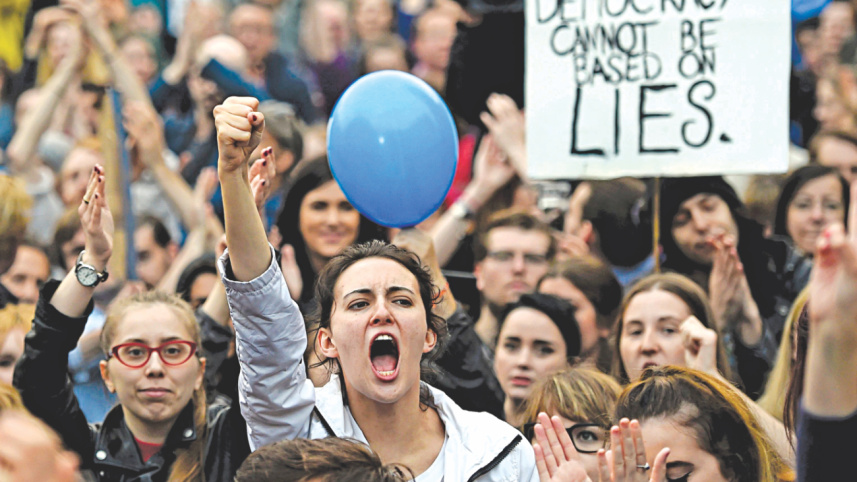
The referendum result is not legally binding - Parliament still has to pass the laws that will get Britain out of the 28 nation bloc, starting with the repeal of the 1972 European Communities Act. Across Britain, more than three million Britons signed up to a rapidly-growing petition on an official government website pleading for a new vote. But it is highly unlikely. One scenario that could see the referendum result overturned, is if MPs forced a general election and a party campaigned on a promise to keep Britain in the EU, got elected and then claimed that the election mandate topped the referendum one. Two-thirds of MPs would have to vote for a general election to be held before the next scheduled one in 2020.
Will the UK be able to rejoin the EU?
BBC Europe editor Katya Adler says the UK would have to start from scratch with no rebate, and enter accession talks with the EU. Every member state would have to agree to the UK re-joining. But she says with elections looming elsewhere in Europe, other leaders might not be generous towards any UK demands. New members are required to adopt the euro as their currency, once they meet the relevant criteria, although the UK could try to negotiate an opt-out.
Comments