


Erdogan vows 'new blood' in army
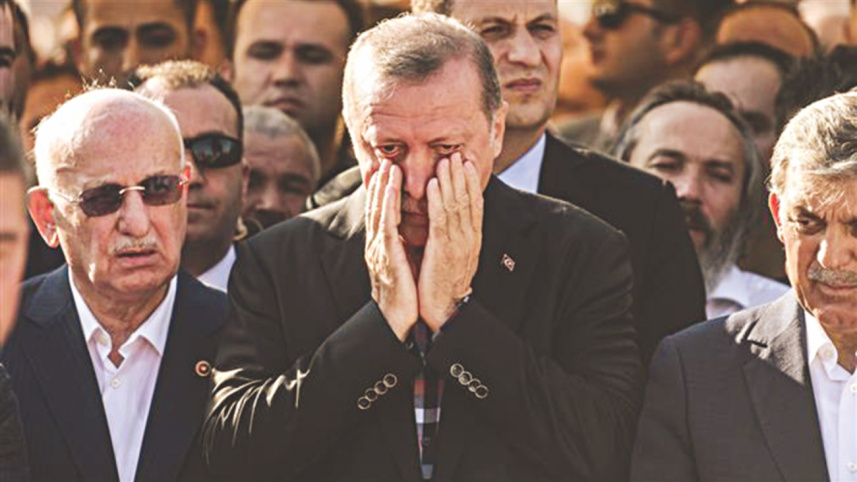
Turkey rebuffed the European Union on Friday over the death penalty, while President Tayyip Erdogan vowed to restructure the military and give it "fresh blood", signalling the scope of a shake-up yet to come under a state of emergency.
There is growing worry in the West about Turkey's widening crackdown against thousands of members of the security forces, judiciary, civil service and academia after last week's failed military coup. On Wednesday Erdogan announced a state of emergency, a move he said would allow the government to take swift action against coup plotters.

In the latest swoop, Turkey detained 283 members of the presidential guard, an official said, There are at least 2,500 members of the guard, according to local media.
In the most significant institutional changes since the coup, powerful Interior Minister Efkan Ala said the gendarmerie would in future be part of the interior ministry and not the army. The gendarmerie, which looks after domestic security, had always been part of the military and its removal is a blow to the armed forces' clout after the coup.
The possibility of Turkey bringing back capital punishment for the plotters of the attempted coup that killed more than 246 people and wounded more than 2,100 has put further strain on Ankara's relationship with the EU, which it seeks to join.
Erdogan accuses Fethullah Gulen, a charismatic US-based cleric, of masterminding the plot against him, which crumbled early on Saturday. In a crackdown on Gulen's suspected followers, more than 60,000 soldiers, police, judges, civil servants and teachers have been suspended, detained or placed under investigation.
Erdogan told Reuters late on Thursday he would restructure the military and give it "fresh blood", citing the threat of the Gulen movement, which he likened to a cancer. Gulen, who has lived in self-imposed exile in the United States for years, has denied any role in the attempted putsch, and accused Erdogan of orchestrating the coup himself.
Opposition parties which stood with the authorities against the coup expressed concern that the state of emergency could concentrate too much power in the hands of Erdogan, whose rivals have long accused him of suppressing free speech.
Erdogan, an Islamist, has led Turkey as prime minister or president since 2003. Around a third of Turkey's roughly 360 serving generals have been detained since the coup attempt, a senior official said, with 99 charged pending trial and 14 more being held.
 For all latest news, follow The Daily Star's Google News channel.
Comments