


A life with no regrets
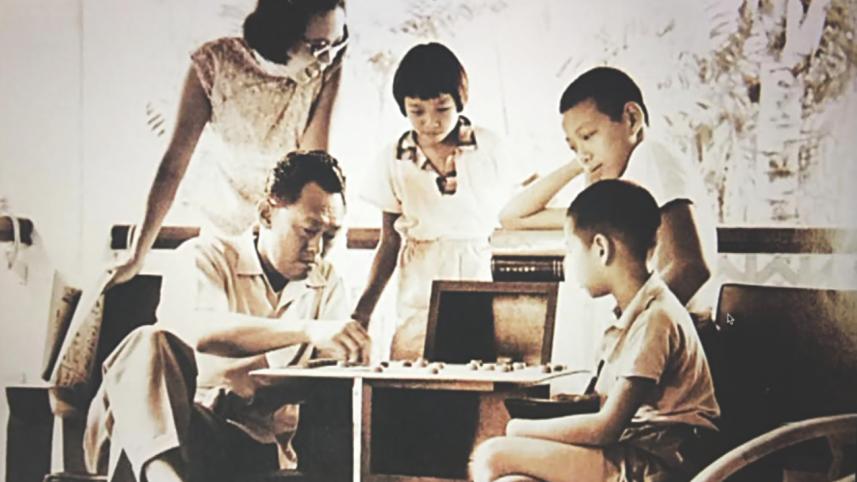
About 20 years ago, when I was still of marriageable age, my father Lee Kuan Yew had a serious conversation with me one day. He told me that he and my mother would benefit if I remained single and took care of them in their old age. But I would be lonely if I remained unmarried.
I replied: "Better lonely than be trapped in a loveless marriage."

I have never regretted my decision.
Twenty years later, I am still single. I still live with my father in my family home. But my priorities in life have changed somewhat.
Like my mother did when she was alive, I accompany him so that I can keep an eye on him and also keep him company. After my mother became too ill to travel, he missed having a family member with whom he could speak frankly after a long tiring day of meetings.
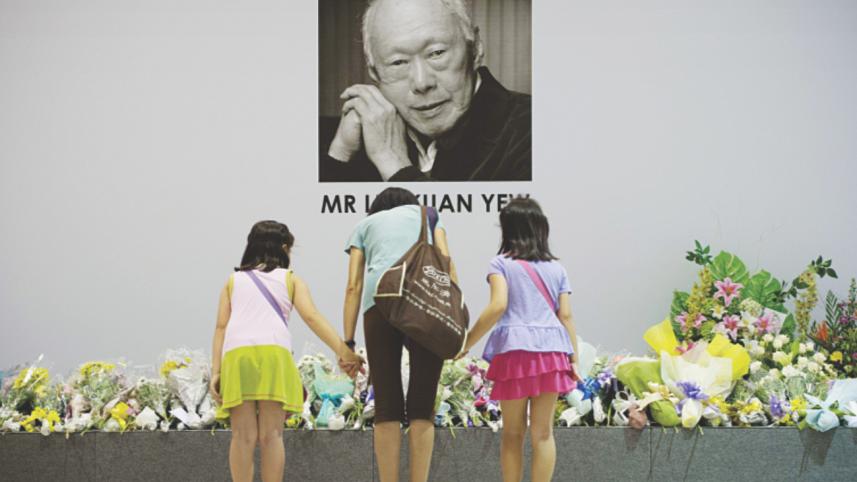
At the age of 88, and recently widowed, he is less vigorous now than he was before May 2008 when my mother suffered a stroke.
He is aware that he can no longer function at the pace he could just four years ago. But he still insists on travelling to all corners of the Earth if he thinks his trips might benefit Singapore.
As I am writing this on Thursday, we are in New York City where he has a dinner and a dialogue session with the Capital Group tonight, and Government of Singapore Investment Corporation meetings tomorrow.
After that, we will spend the weekend at former US secretary of state Henry Kissinger's country home in Connecticut. Influential Americans will be driving or flying in to meet my father over dinner on Saturday and lunch on Sunday.
Even for a healthy and fit man of 88, the above would be a formidable programme. But my father believes that we must carry on with life despite whatever personal setbacks we might suffer. If he can do something that might benefit Singapore, he will do so no matter what his age or the state of his health. For my part, I keep him company when he is not preoccupied with work, and I make sure he has enough rest.
Though I encourage him to exercise, I also dissuade him from over exerting himself.
Whether or not I am in the pink of health is of no consequence. I have no dependants, and Singapore will not suffer if I am gone. Perhaps my patients may miss me, but my fellow doctors at the National Neuroscience Institute can take over their care. But no one can fill my father's role for Singapore.
We have an extremely competent Cabinet headed by an exceptionally intelligent and able prime minister who also happens to be my brother. But the life experience that my father has accumulated enables him to analyse and offer solutions to Singapore's problems that no one else can.
Both my father and I have had our fair share of luck, and fate has not been unfair to us. My father found a lifelong partner who was his best friend and his wife. Together with a small group of like-minded comrades, he created a Singapore that by any standards would be considered a miracle. He has led a rich, meaningful and purposeful life.
Growing old and dying occurs to all mortals, even those who once seemed like titanium. When all is said and done, my father - and I too, despite my bouts of ill health - have lived lives that we can look back on with no regrets.
As he faces whatever remains of his life, my father's attitude can be summed up by these lines in Robert Frost's poem Stopping By Woods On A Snowy Evening:
The woods are lovely, dark, and deep,
But I have promises to keep,
And miles to go before I sleep.
And miles to go before I sleep.
 For all latest news, follow The Daily Star's Google News channel.
Comments