


An ancient superpower defying today’s hegemon

To describe Iran as merely another Middle Eastern state is to misread history with reckless provincialism.
Long before the vocabulary of “superpower” or “hegemony” entered the lexicon of international relations, ancient Persia had already rehearsed both roles with imperial panache.

Under Cyrus the Great and later Darius I, the Achaemenid Empire fashioned one of the earliest complex imperial state structures known to mankind. It was not merely a marauding dominion but a sophisticated polity of provinces and satrapies, yoked to a central command, yet allowed calibrated local autonomy.
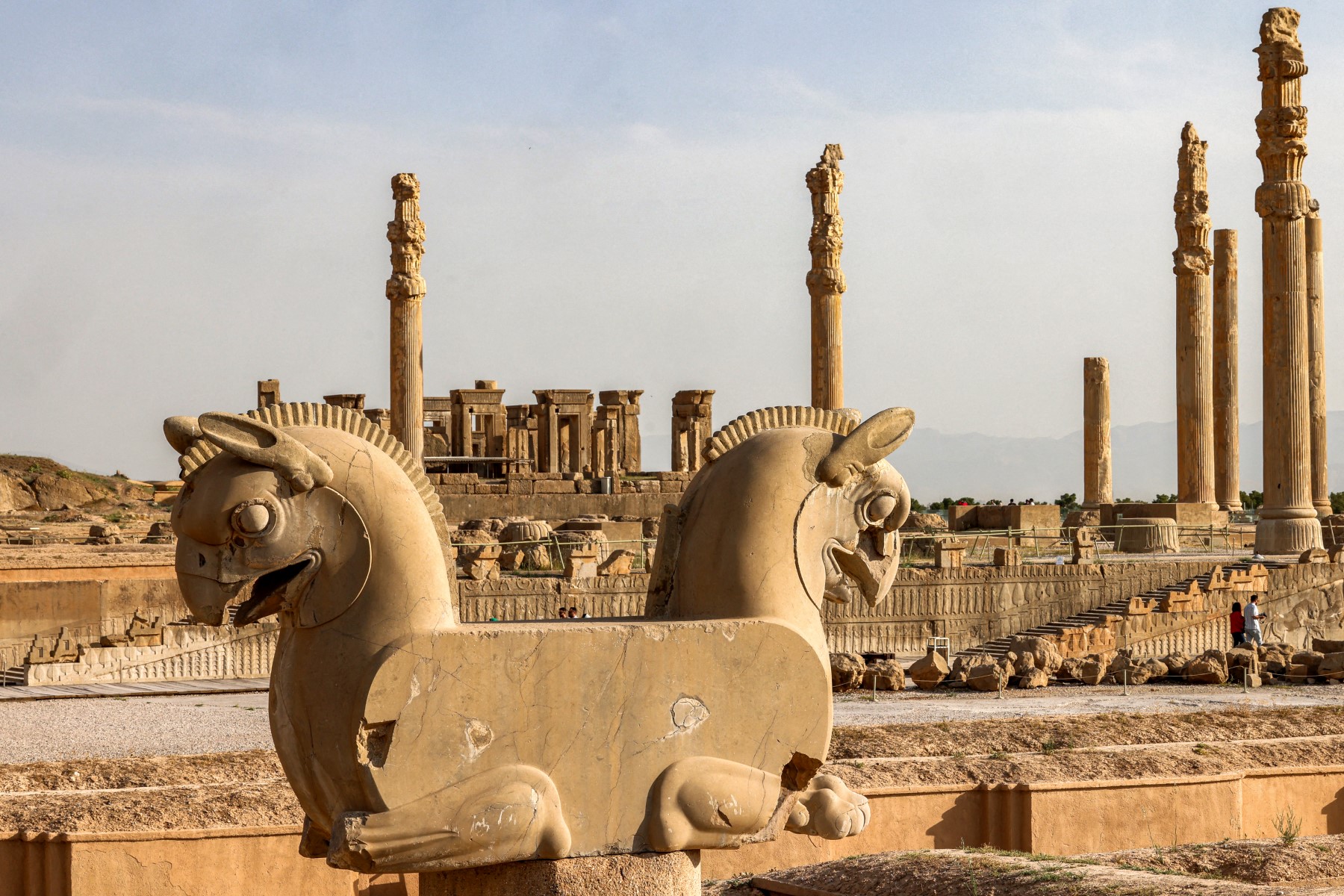
In embryonic form, one discerns the architecture of a federal system, animated by centralised oversight and provincial discretion.
Historians writing in outlets such as the BBC and essays published in The Guardian have frequently remarked on Persia’s administrative genius, especially its road networks, tax systems and respect for local customs.
This was not accidental benevolence; it was imperial rationality. A hegemon that wishes to endure must govern, not merely conquer.
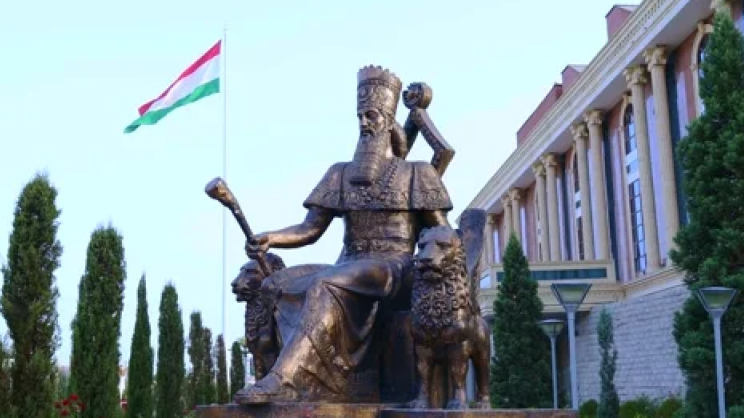
In military terms, Persia was among the earliest global hegemons, projecting force across three continents. The imperial memory of that epoch has not faded; it has ossified into civilisational pride.
Iran’s self-image, therefore, is not provincial but primordial. It sees itself less as a postcolonial state than as a civilisation temporarily encumbered by modern geopolitics.
This is why comparisons with the hydrocarbon-quickened affluence of its southern neighbours often provoke a certain Persian hauteur.
The meteoric rise of states such as Qatar and Kuwait, or the spectacle of Dubai as a gilded entrepôt, is acknowledged in Tehran with a mixture of envy and disdain.
These polities have leveraged fortune and financial acumen to vault into prosperity despite smaller resource bases and territories.
Yet in the Iranian imagination, wealth without antiquity lacks gravitas; splendour without civilisation feels ephemeral.
This civilisational self-confidence coexists with a political paradox.
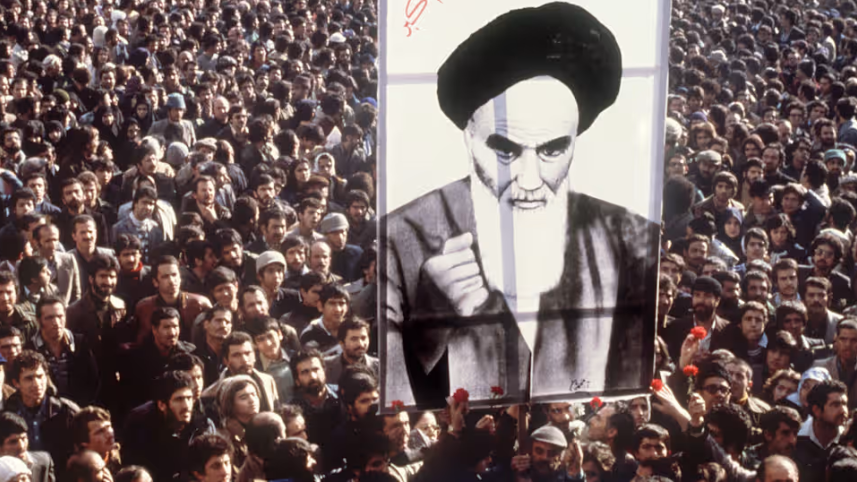
Contemporary Iran, governed by a theocratic architecture that coalesced after the Iranian Revolution, maintains regular elections.
Media assessments, including reporting by Reuters in recent electoral cycles, have noted that while voting procedures can be competitive and procedurally robust, the decisive filtration occurs prior to the ballot.
The Guardian Council’s vetting power circumscribes who may contest. Thus the arena is structured before the game begins.
It is a democracy with theological gatekeepers, pluralism with preconditions.
 For all latest news, follow The Daily Star's Google News channel.
 Many educated Iranians, as profiled over the years in outlets such as Al Jazeera and the Financial Times, expressed ambivalence or outright disaffection towards the Ayatollah-led order.
Yet history has endowed the Iranian psyche with an obstinate independence.
External threat has a peculiar alchemy in Iran -- it transmutes dissent into defiance. Internal quarrels are suspended when sovereignty appears imperilled.
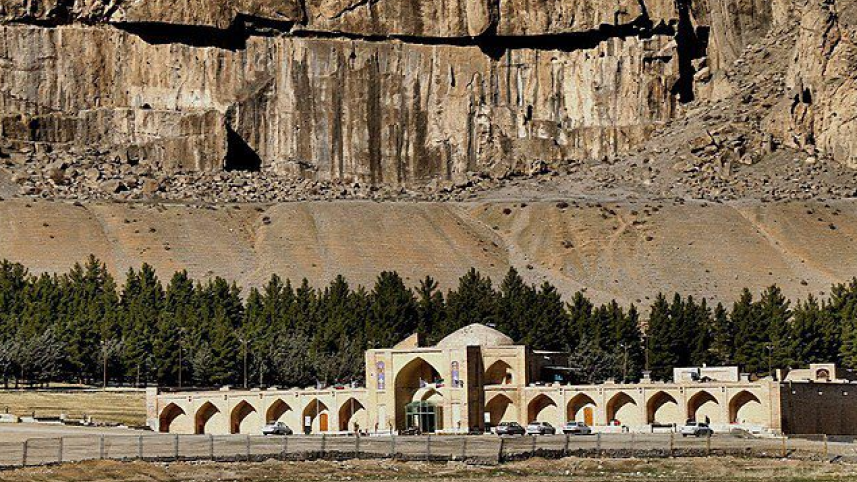
The memory of foreign interventions, from 19th-century imperial encroachments to 20th-century coups, has hardened into a reflexive suspicion of outside designs.
Layered atop this nationalism is the distinctive ethos of Shia Islam.
The martyrdom of Husayn ibn Ali at Karbala is not merely a theological episode; it is an enduring moral allegory.
Valorisation of sacrifice, dignified suffering and redemptive martyrdom permeates Iran’s social and political vocabulary.
The Iran–Iraq War of the 1980s, often described in analyses by the New York Times as a crucible of national endurance, further entrenched a culture of stoicism under siege.
Hardship, in the Iranian narrative, is not aberration but initiation.
Iran’s terrain too is no obliging plain awaiting armoured columns. It is a citadel disguised as a country.
Mountain ranges such as the Zagros and Alborz ring much of its core, rendering key cities natural fortresses. Military strategists have long observed that topography can neutralise technological superiority.
A state ensconced within mountains possesses strategic depth that no drone swarm can effortlessly erase. To subdue such a landscape by force would be neither swift nor cheap.
Iran is in control of Strait of Hormuz -- one of the world’s most vital arteries for energy transit. Nearly one-fifth of the globe’s oil consumption, along with substantial gas shipments, flows through this narrow corridor.
Recent Iranian attacks on oil tankers have brought shipping through that route to a halt with Iran threatening to sink ships should they come that way.
Thus the contemporary Islamic Republic stands as an inheritance layered upon empire, theology, terrain and maritime leverage.
It is at once ancient and embattled, internally contested yet externally cohesive.
To underestimate Iran is to ignore millennia of statecraft; but to romanticise it is to overlook the contradictions of its present order.
Iran remains what it has often been -- a formidable civilisation negotiating modernity on its own obstinate terms.
Iran’s gamble is both tactical and existential -- it signals that any attempt to reshape the country from outside is likely to encounter resistance not merely from soldiers or missiles, but from history, culture and geography itself.
The next moves, whether diplomatic, economic or military, will unfold under the shadow of this ancient self-consciousness.
And while adversaries may temporarily impose strain, the ancient country’s capacity for endurance -- the patient, stoic endurance that centuries of empire and martyrdom have instilled, remains its quiet, immutable weapon.
In the end, Iran exemplifies a paradox -- simultaneously fragile and unyielding, contested and cohesive, modern in its methods yet ancient in its self-image.