


5 books that portray the ecological devastation of 1971
The ecological impact of the 1971 War of Liberation is not as well documented as some of the other, spectacularised aspects of war. Without a doubt, the nine-month-long war and the resulting mass displacement altered and affected our entire ecosystem. Yet, when we think of the atrocities committed, the losses experienced, the injuries sustained, we often leave unexamined the devastation experienced by the environment—the flora and fauna, the water bodies and trees, the animals and the nonhumans.
This Victory Day, we examine texts that address the ecological ruination of the war and the ways in which our literary expressions capture this specific disruption.

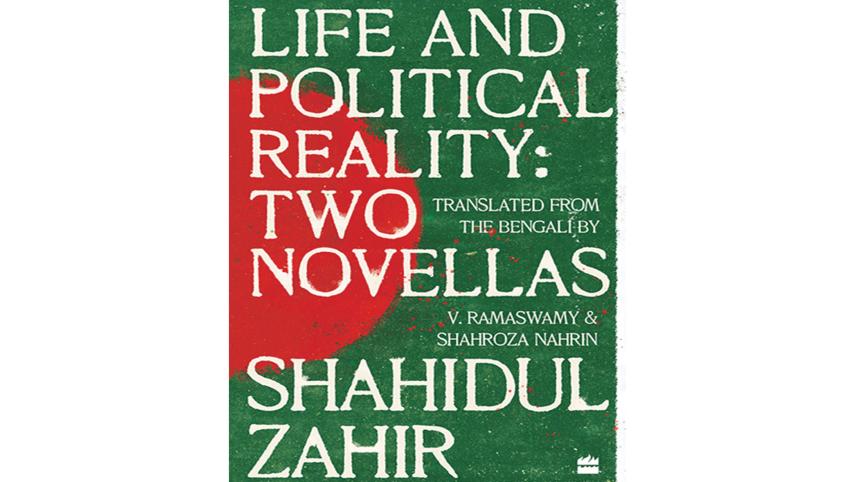
Life and Political Reality
Shahidul Zahir
Samhati Prokashan, 2022
Shahidul Zahir's first novella is a tale of two days, set 15 years apart, examining 1971 and its aftermath. The novella opens with the sound of Abdul Majid's sandal's straps going "phot", a mundane sound that is magnified by its significance as he hears the voice of Bodu Maulana's son Abul Khair address the inhabitants of his moholla or neighborhood as "brothers". Here, Zahir uses recurring imagery of animals and smaller creatures—crows, rats, termites, mice, ants—to intensify the sense of horror, fear, claustrophobia, and dehumanisation in war and its aftermath, evoking the way violence affects the entire ecosystem: not only humans, but the non-human environment becomes witness, victim, or participant in collective trauma.
"Mr Moti"
Rahad Abir
The Daily Star, 2023
A deceptively simple tale of a prized cock and his soft, yet heartbreaking relationship with his owner Sonavan, Rahad Abir's "Mr Moti" is an unforgettable piece of literature capturing the quiet devastation of 1971. As Sonavan waits for her son to return from the war, years tick by, Mr. Moti's temperament shifts, and a changing Bangladesh attempts to come to terms with its own history.
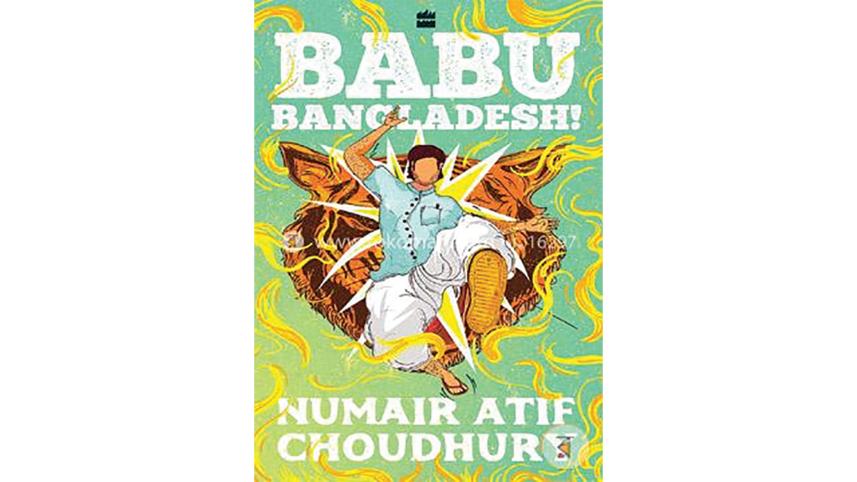
Babu Bangladesh!
Numair Atif Choudhury
Fourth Estate, 2019
The opening episodes of Babu Bangladesh! tell us it is about Babu Abdul Majumder. Born in 1971, he apparently became famous from 2008 onwards only to disappear in 2021, heading, we are told, for "unknown skies" then. We find that the narrator of the story is a huge fan bent on reviving the reputation of this "spirited environmentalist." One of the novel's major sections is titled "Tree" and centers around a grand banyan tree (often called "Bot Tola") in the campus of Dhaka University. This tree becomes a symbol of resistance, national identity, and collective memory—especially in the context of the 1971 Liberation struggle, when the army destroyed it. Essentially, the destruction of that tree stands for destruction of cultural and ecological heritage—a recurring tension between militaristic/political violence and ecological/natural heritage.
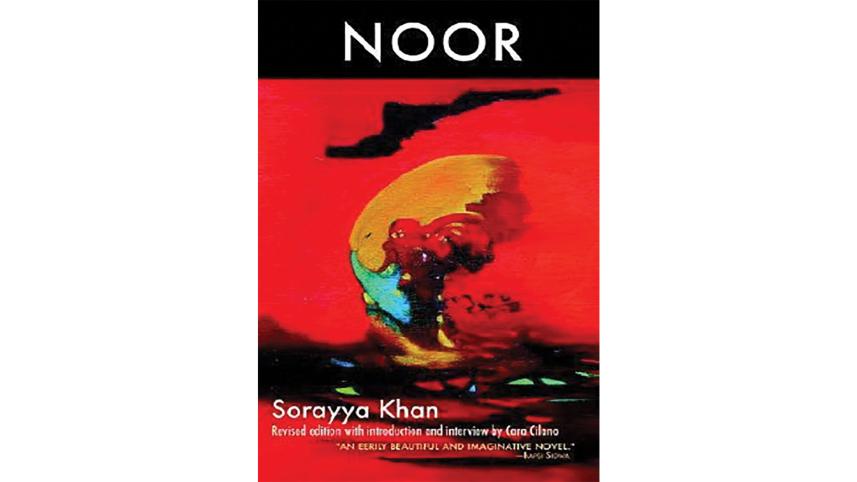
Noor
Sorayya Khan
Penguin, 2003
Set in modern-day Islamabad, Khan's debut novel features a talented child artist Noor whose haunting artwork compels her family members to confront their own traumatic past, especially through the 1970 cyclone that claimed the lives of a million people. Noor's drawings—delicate, powerful, and complex—bear witness to the cyclone's horrific aftermath on one hand and forces her family to come face to face with their complicitous participation in the 1971 war of independence on the other.
 For all latest news, follow The Daily Star's Google News channel.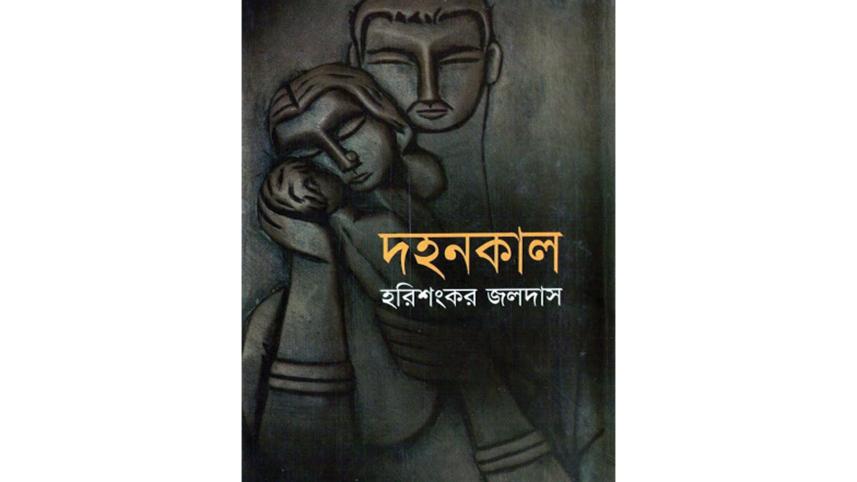
Dahankal
Harishankar Jaladas
Mowla Brothers, 2015
Dahankal shows how the 1971 war destroyed the coastal world that a fishing community depends on. Their lives once followed the steady rhythm of the sea—mending nets, repairing boats, and trusting the tides to feed their families. But when the war reaches the coast, this balance collapses. Many villages near the shoreline are burned, boats and nets are destroyed, and the natural habitat the community relied on is disrupted. The violence also claimed the lives of fishermen and their sons, breaking families and cutting through a way of life shaped by the sea for generations. By depicting this devastation, the novel reveals how the war harms both the people and the fragile coastal environment that sustained them.
Comments