


Bangladesh Theater Archives: Transforming history into a 40-year legacy
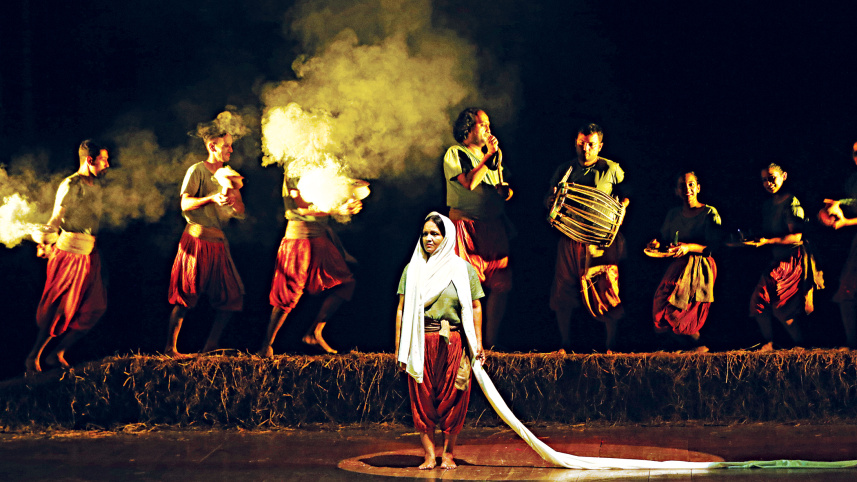
In a small room in 50 Purana Paltan line, shelves groan under the weight of posters, photographs, tickets, flyers, souvenirs, folders, books, and fading documents. Each item tells a story—of performances applauded and forgotten, of actors who once lit the stage, of movements that shaped the cultural conscience of a nation. This is the Bangladesh Theater Archives, a quiet yet powerful institution that has been safeguarding the memory of Bangladeshi theater for nearly four decades.
The Bangladesh Theater Archives began its journey in 1986, long before “archiving” became a familiar cultural practice in the country. It started simply—with theater posters. At the heart of this effort was Dr Babul Biswas, whose passion for the theatre and a sense of responsibility towards history pushed him to take on a task few could imagine sustaining alone. The idea was inspired by one legendary Indian dramatist Utpal Dutt, whose advice encouraged Biswas to collect and preserve theatrical materials systematically. What began as a personal initiative soon turned into a historic expedition—the first of its kind in Bangladesh. There was no institutional framework, no assured funding, only emotion, dedication, and an unshakeable belief that theater history must not be allowed to disappear.

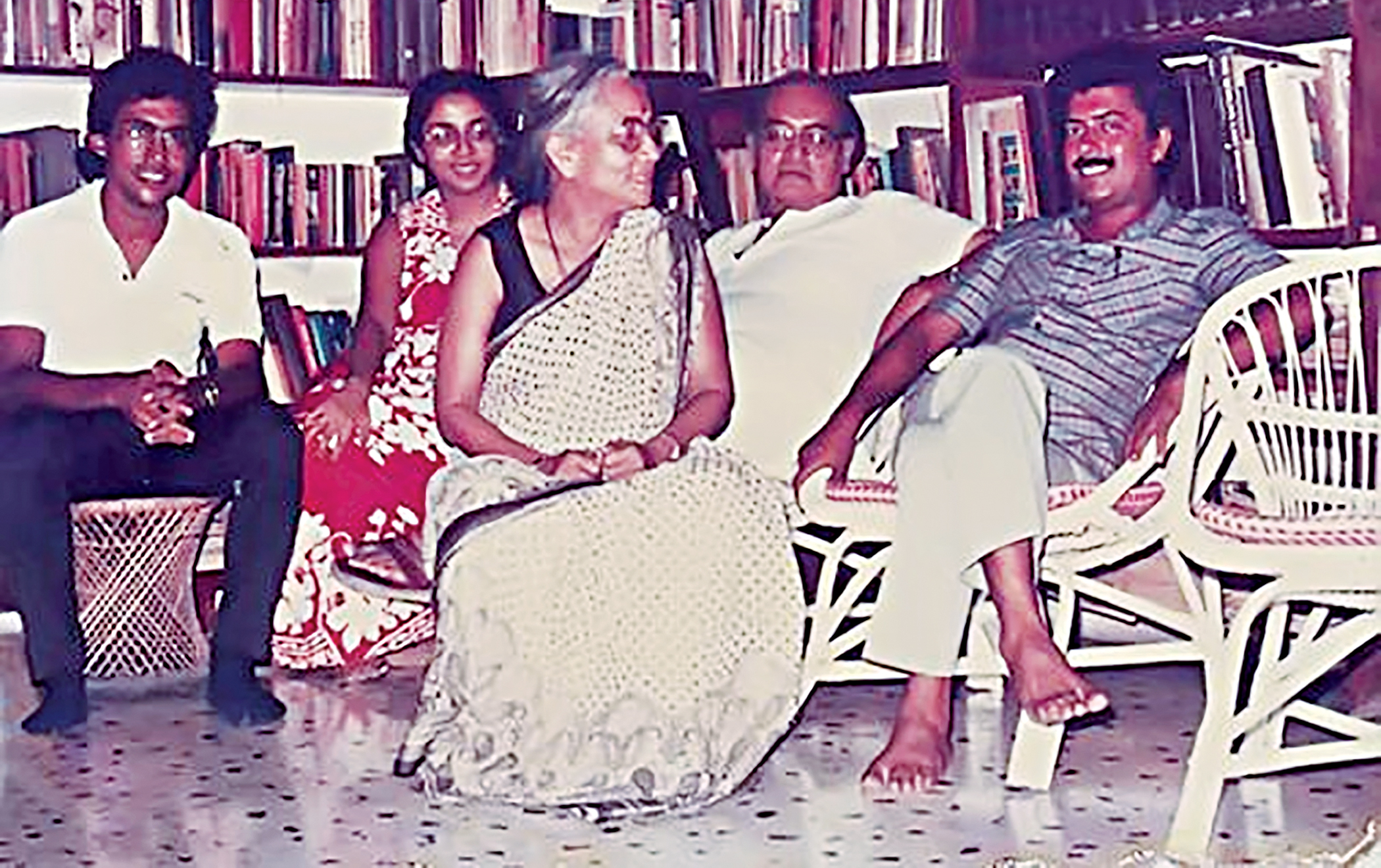
Pictured are celebrated Bangladeshi playwright and actor Mamunur Rashid, the esteemed actor Utpal Dutt, his wife and renowned actress Shobha Sen, their daughter Bishnupriya Dutt, and Babul Biswas, the founder of the Bangladesh Theater Archives. Photo: Collected
The Archives survived its fragile early years through collective goodwill. Eminent actor, director, and playwright Mamunur Rashid played a pivotal mentoring role, guiding the collection of data and even offering space in his office at 26 Bangabandhu Avenue. Members of Aranyak Theater Group provided what could be called the “postnatal care” of the Archives, helping it grow beyond a solitary effort. Soon, prominent theatre personality Ramendu Majumdar and critic Mofidul Haque extended their support and advice, recognising the cultural necessity of such an initiative. Over time, countless theatre activists, workers, and enthusiasts across the country contributed materials, information, and labour, transforming the Archives into a shared national endeavour.
For years, the initiative operated under various names—Poster Museum, Poster Gallery, Theater Museum, and even Babul Biswas’ Collection. The shifting identities reflected its organic growth. Finally, in 2011, it was formally named Bangladesh Theater Archives—a title that acknowledged both its scope and national significance. By then, its mission had expanded far beyond posters. Souvenirs, tickets, handbills, brochures, books, still photographs, official documents, and video recordings found their way into the collection. Today, the Archives hold more than one hundred thousand items—an unparalleled reservoir of theatrical history.
The Archives has become a lifeline for researchers, students, teachers, playwrights, and theatre practitioners. From undergraduate dissertations to doctoral research, its materials have supported countless academic works in Bangladesh and abroad. Notably, researchers pursuing PhDs on Bangladeshi drama are given access to data completely free of charge—a rare gesture in an age of commercialised knowledge. In this sense, Bangladesh Theater Archives is not merely a storage space; it is a living academic institution. It embodies the spirit of Bangladesh’s independence by asserting that cultural history belongs to the people.
One of the most visible achievements of the Archives has been its exhibitions. Between 1988 and June 2025, it organised 52 exhibitions, both nationally and internationally. These exhibitions—sometimes focused on posters, sometimes on photographs or archival data—were inaugurated by distinguished theater personalities, academics, and civil servants. The first-ever theater poster exhibition in Bangladesh, “World Drama”, took place in 1988 at Dhaka University, with Vice Chancellor Dr Abdul Mannan inaugurating the event. In 1989, another landmark exhibition organised by the Dhaka University Central Students Union (DUCSU) on World Theater Day at the university’s TSC sparked tremendous enthusiasm. Supported by international cultural organisations and foreign embassies, it established Bangladesh Theater Archives as a prominent player on the global theater scene. Subsequent exhibitions in India, Japan, and the United States further showcased that Bangladeshi theatre history resonates well beyond the country’s borders.
Since 2020, renowned theatre translator Professor Abdus Selim has been actively engaged with the Bangladesh Theatre Archives, where he currently serves as president. Joining him is Dr Babul Biswas, the founder and current Secretary General of the institution. Together, through their unwavering commitment, they are propelling the institution forward at full speed.
As Bangladesh Theater Archives marks another anniversary, it stands as a testament to what sustained passion, collective effort, and cultural responsibility can achieve. In preserving the theatre’s past, it safeguards the creative memory of the nation—and ensures that future generations will know not only how Bangladesh performed on stage, but who it was, and who it aspired to be.
Tusar Talukder teaches English at Central Women’s University, Dhaka. He can be reached at writing.tusar@gmail.com.
 For all latest news, follow The Daily Star's Google News channel.
Comments