


Dollar stuck in narrow band
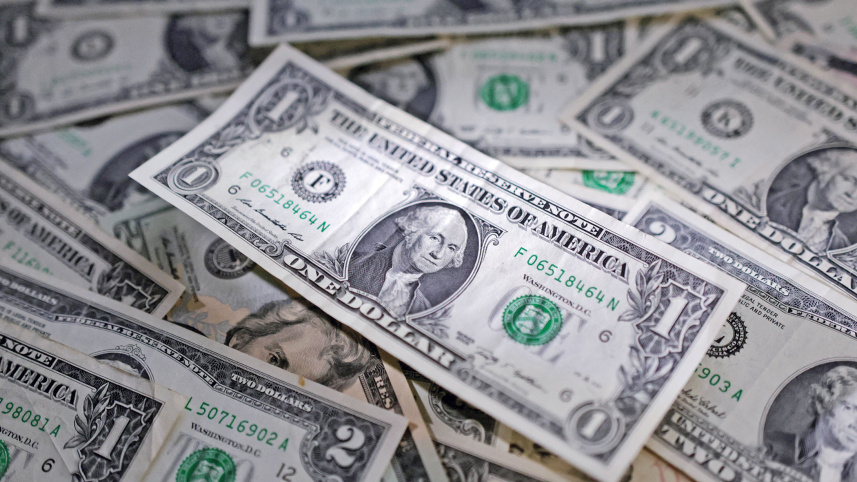
The dollar traded in a tight range on Tuesday as investors watched for progress on a potential deal to reopen the Strait of Hormuz, while awaiting key US economic data later in the day, which could shape the Federal Reserve’s policy path.
A peace deal between the US and Iran would ease pressure on currencies from oil-importing countries like Japan and the euro zone while curbing safe-haven demand for the dollar.

US President Donald Trump said on Monday that talks with Iran were ongoing, despite a report that Tehran had suspended indirect negotiations with the United States to end hostilities, a move that prompted a slight drop in oil prices.
Investors have treated news of any progress toward ending the US-Israeli war on Iran with caution, given the fragility of a ceasefire between Washington and Tehran struck in early April. Lebanon’s announcement on Monday of a limited ceasefire between the Iran-backed Hezbollah and Israel also did little to give the market impetus.
The dollar index , which measures the currency against six peers, was down 0.05 percent at 99.05. It has hovered in a narrow range of about 98.9 to 99.5 since May 15.
“By (Monday) evening, a sense of relief had returned as the US president had seemingly secured another ceasefire in Lebanon,” said Michael Pfister, foreign exchange strategist at Commerzbank.
“The foreign exchange market is nevertheless likely to be dominated by news of the situation today. But any news of setbacks in the negotiations will be met with considerable caution,” he added.
The dollar had rallied at the onset of the Iran conflict, which began on February 28, buoyed by safe-haven demand and the US economy’s relatively limited exposure to energy-driven inflation. However, it has given back some of those gains due to the uncertainty of the war’s trajectory.
 For all latest news, follow The Daily Star's Google News channel.



Comments