Why governments fail to communicate with Gen Z

Around the world, governments and young citizens are struggling to understand one another. The problem is not only one of policy. It is also one of communication. Again and again, a clear pattern is becoming visible. Young people raise concerns about jobs, fairness, corruption, freedom or dignity. Public institutions respond with dismissal, insults, censorship or force. A limited grievance then develops into a much wider movement.
This pattern may be described as a “dignity-triggered, digitally networked youth revolt”.
It is not simply that Gen Z is angry or impatient. The deeper issue is that many public institutions still rely on old-fashioned command-based communication. They communicate through orders, labels, moral policing, press statements, television speeches and security warnings. But they are speaking to a generation that is educated, connected, publicly visible and deeply conscious of its dignity.
This does not mean that young people are always right. Governments also have genuine responsibilities. They must maintain order, prevent violence, counter misinformation and make difficult policy choices. But none of these responsibilities requires the humiliation of citizens. In fact, humiliation often makes governance considerably more difficult.
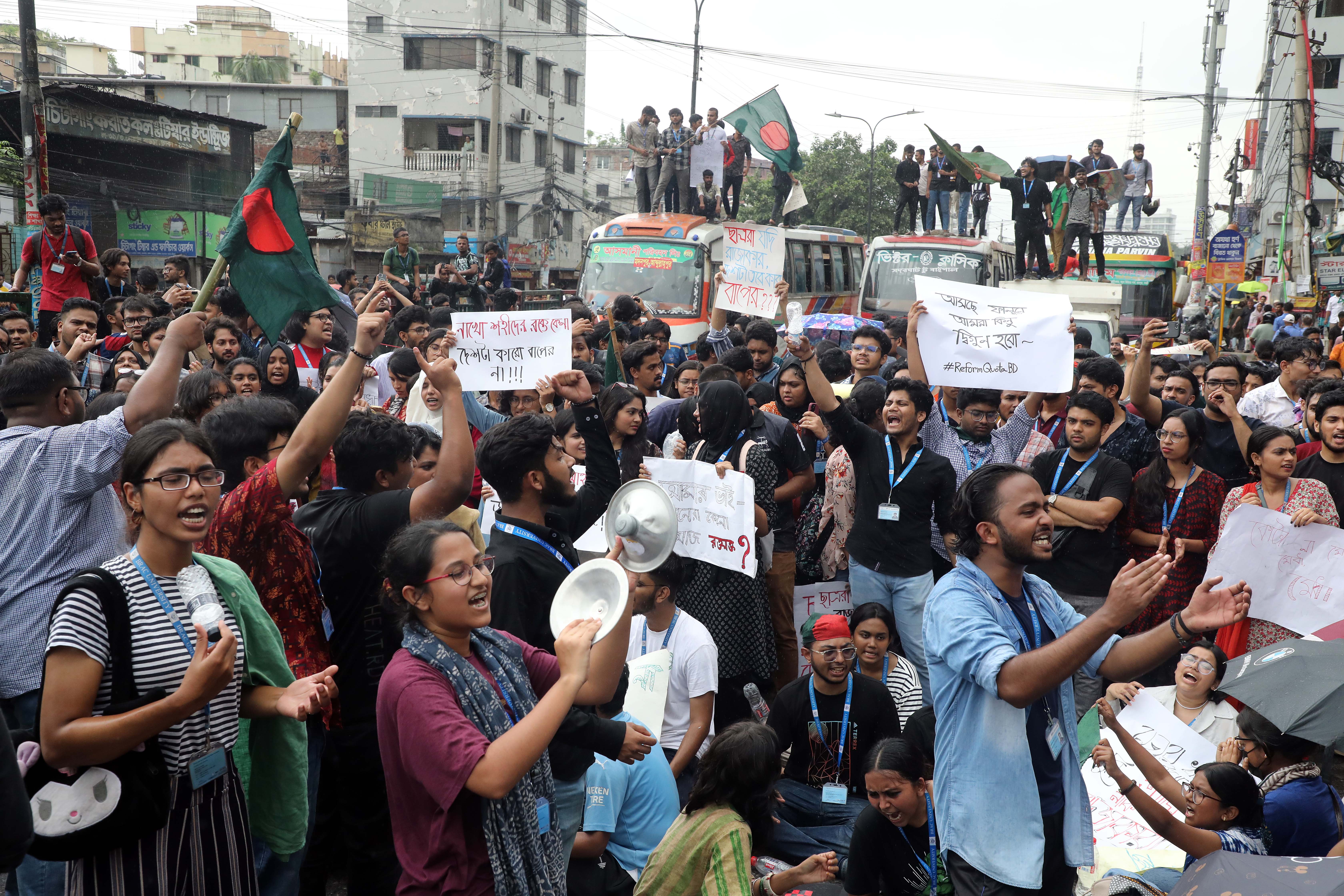
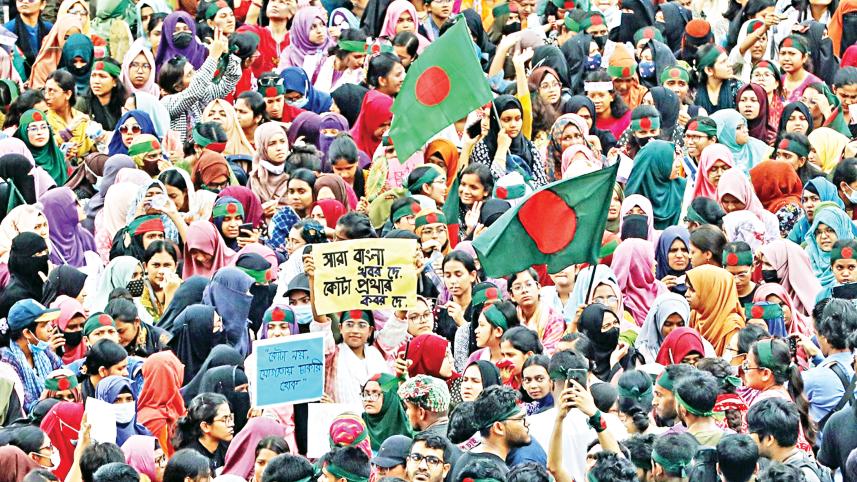
Bangladesh’s July 2024 uprising is a powerful example. Students initially protested against the quota system in government jobs. But the movement took a sharper turn when former Prime Minister Sheikh Hasina’s remarks were widely interpreted as branding the protesting students as Razakars or descendants of Razakars. In Bangladesh’s history, this is not an ordinary insult. It carries the memory of betrayal during the Liberation War. Many students felt deeply humiliated. Instead of silencing them, the term helped to unite them. They transformed the insult through irony, slogans, memes and a shared collective identity.
This is one of the most important lessons of the digital age: when authorities use insulting labels, young people may not simply reject those labels. They may adopt them, remix them and transform them into badges of resistance.
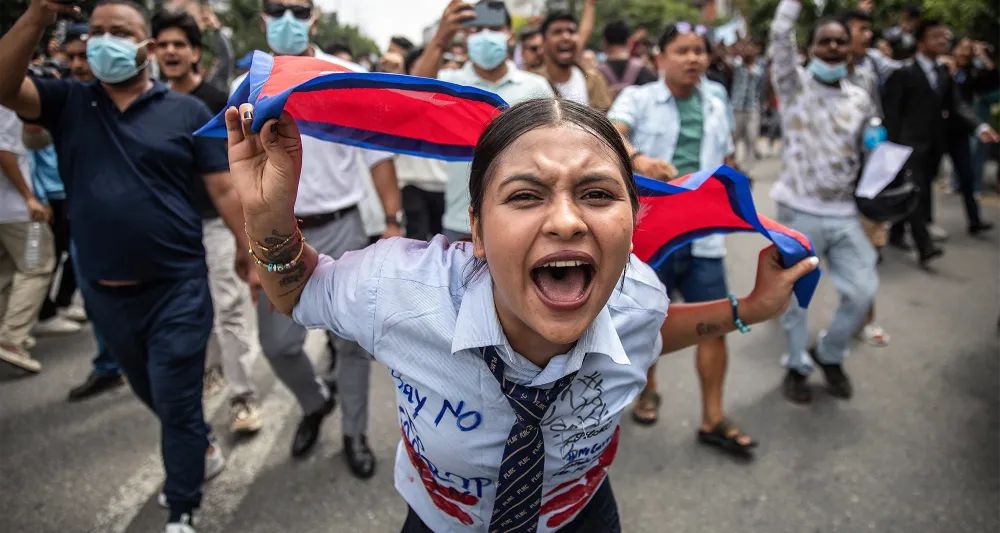
A similar pattern appeared in Nepal in September 2025. The government attempted to block major social media platforms, claiming that the decision concerned regulation and misuse. But many young people regarded it as an act of censorship. For them, social media is not merely a source of entertainment. It is where they speak, learn, organise, complain, joke, document injustice and build communities. Therefore, when the government attempted to shut these platforms down, it felt as though the state was closing their public square. The protests quickly became about far more than social media. They became protests against corruption, unemployment, nepotism and the arrogance of political elites.
India has recently provided another example of symbolic backlash. After a Supreme Court judge made remarks comparing some unemployed young people to “cockroaches”, the Cockroach Janta Party emerged as a form of youth-led political expression. According to AP, the movement launched a nationwide protest campaign in June 2026. It used humour, parody and memes to raise concerns about unemployment, examination irregularities, rising living costs and corruption. The party reportedly attracted more than 22 million followers on Instagram. Whether it develops into a lasting political force is not the central point. The communication lesson is clear. A humiliating metaphor did not make young people disappear. Instead, it provided them with a new political symbol.
Kenya’s Gen Z protests against the Finance Bill in 2024 followed a similar logic. Young people used TikTok, X and other platforms to explain the bill in accessible language, challenge official claims and mobilise people in the streets. What some leaders may have dismissed as “online noise” became a form of civic education and public resistance.
Iran in 2022 demonstrated another form of the same crisis. Mahsa Amini, a 22-year-old Kurdish woman, died after being detained by the morality police over alleged dress-code violations. Her death sparked the “Woman, Life, Freedom” protests. Rights groups later reported that more than 500 people, including 71 minors, had been killed. Thousands more were arrested. The immediate spark was the death of one young woman. But the deeper issues involved dignity, bodily autonomy, youth frustration and state control.
Chile offers an older but equally useful example. In October 2019, protests began following a 30-peso increase in metro fares. But the slogan soon became: “It is not about 30 pesos. It is about 30 years.” That sentence captured deeper frustrations over inequality, low wages, inadequate pensions, expensive education and the comfort enjoyed by political and economic elites. Reuters reported that at least 23 people died during the unrest. A relatively small increase in fares became a symbol of decades of perceived injustice.
These examples are different. The countries are different. Their political systems are also different. Yet they share one common root: a broken dignity contract between young citizens and those in positions of authority.
Gen Z does not necessarily reject authority. It rejects authority that refuses to listen.
Young people may accept hardship for some time. They may accept difficult reforms if the process is fair. They may even accept disagreement. But they are less willing to accept humiliation. They do not want to be called traitors, cockroaches, immoral children, rioters, foreign agents or enemies of the nation simply because they ask questions.
Several communication theories help explain this moment.
Framing theory tells us that people do not respond only to events. They respond to the meaning attached to those events. A quota debate can become a fight for dignity. A social media ban can become a symbol of censorship. A 30-peso fare increase can become a symbol of 30 years of inequality. A careless insult can become the emotional centre of a movement.
Another useful idea is "connective action". In the past, movements often needed strong parties, unions or formal organisations. Today, young people can connect through memes, videos, screenshots, hashtags, livestreams, satire and personal stories. A protest does not always begin in a party office. It can begin with a short clip, a caption or a shared feeling of humiliation.
There is also a major generational media gap. Many institutions were designed for an era when communication flowed from the top down. Leaders gave speeches. Newspapers carried statements. Police briefings shaped public understanding. Party narratives travelled through loyal networks. Gen Z, however, lives in a participatory media world. A single phrase can be clipped, memed, translated, remixed and turned against the speaker within hours.
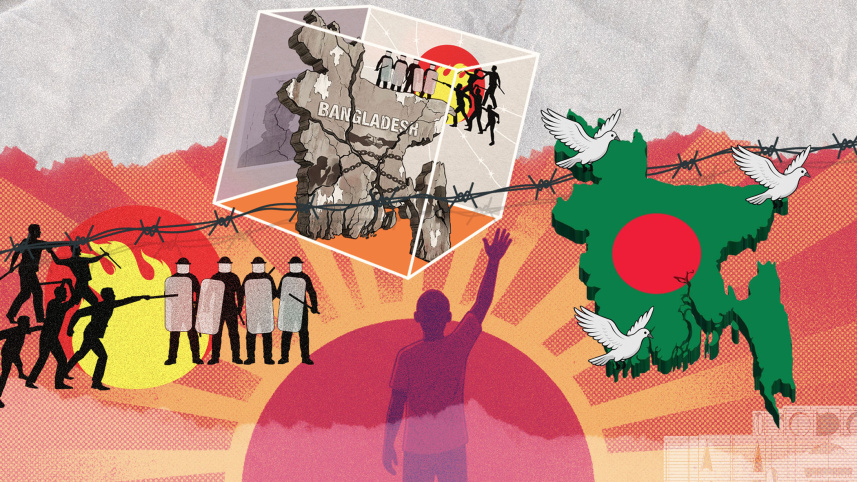
This gap is not only about technology. It is about culture. Many institutions still think communication means giving instructions. Gen Z expects conversation. Many leaders expect patience and obedience. Gen Z expects explanation and participation. Public institutions try to control the message. Young people often want to help shape the message.
Procedural justice theory offers another lesson. People judge authority not only by the final decision. They also judge the process. Were they heard? Were they treated with respect? Was the decision explained honestly? Did the authority appear fair and trustworthy? If the answer is no, even a technically correct policy may be rejected.
So, what should public institutions learn?
First, they must avoid humiliating labels. A leader, judge, police officer, minister or university administrator should not describe young citizens as traitors, pests, enemies, immoral children or manipulated fools. Such words may please supporters for a day. But they can damage public trust for years. In a digital media environment, humiliating language is not only disrespectful. It is also strategically unwise.
Second, institutions must listen before anger explodes. Youth councils, student forums, public hearings and digital consultations should not be decorative events. They should include critical voices, not only friendly ones. After listening, authorities should publish what they heard, what they will change, and what they cannot change, together with the reasons why.
Third, social media should be treated as a public square, not only as a threat. Misinformation is real. Online abuse is real. Public order matters. But shutdowns and censorship often create greater suspicion. A better response is fast, honest, evidence-based communication in simple language.
Fourth, leaders should express empathy before defending policy. In a crisis, the first message should not be, "Law and order will be maintained at any cost." A wiser message would be, "We hear the pain and anger of young citizens. Their concerns deserve a serious response. Peaceful protest will be respected."
Fifth, police responses must be careful and proportionate. Images of students being beaten, arrested or killed can transform a limited protest into a national moral crisis. Force may clear a street for a few hours. But it can destroy trust for a generation.
Finally, communication must be matched by delivery. Respectful language is not enough if corruption continues, jobs remain scarce, examinations remain unfair, and elites remain beyond accountability. Young people do not want only polite speeches. They want fair systems.
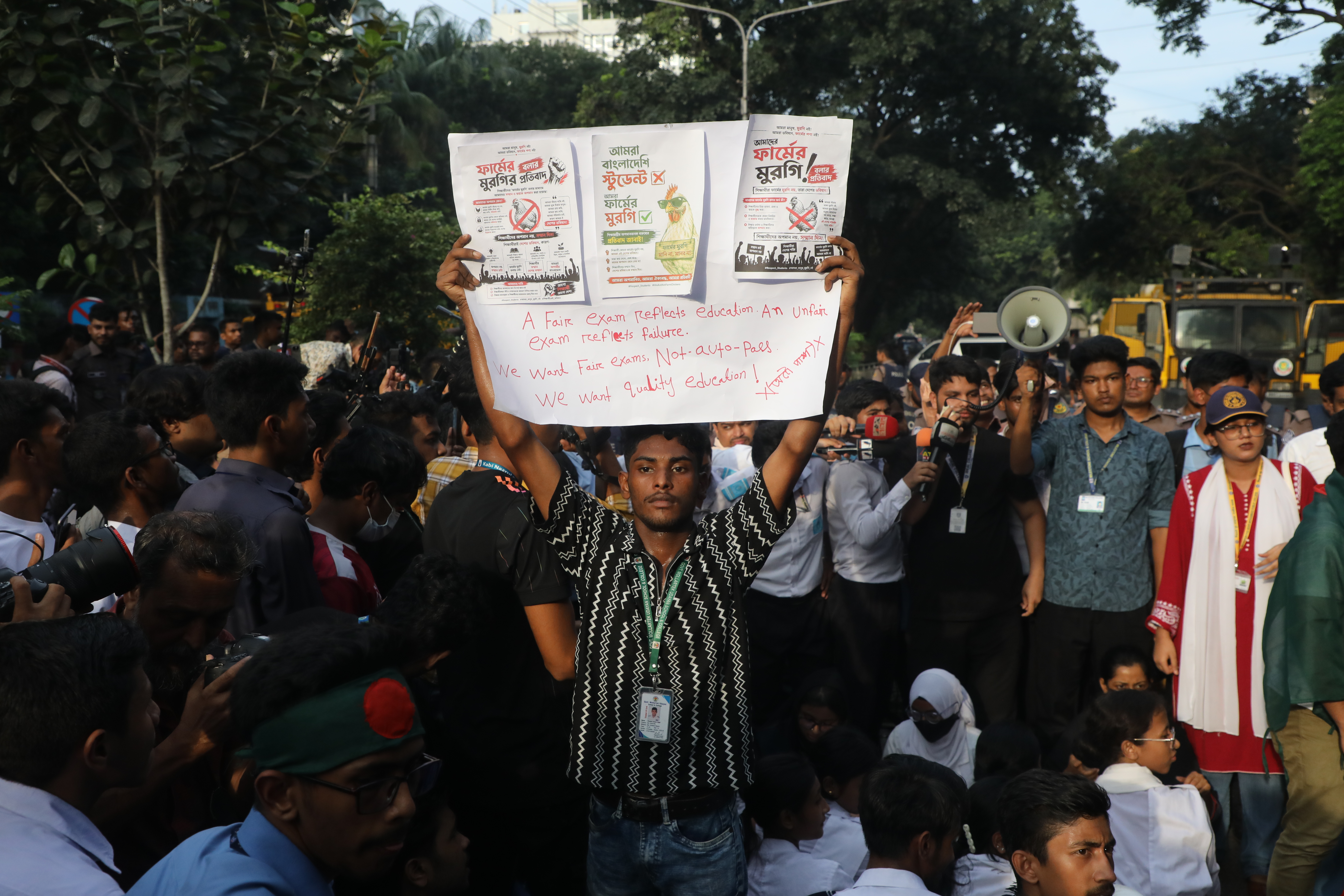
Listening to young people does not mean accepting every demand. It means explaining decisions, correcting mistakes and treating citizens as partners rather than problems.
The lesson is simple: dignity, dialogue and delivery.
Dignity means never humiliating citizens. Dialogue means listening before decisions become crises. Delivery means fixing real problems, not only managing the image.
Gen Z does not necessarily reject authority. It rejects authority that refuses to listen, mocks it, hides information or treats participation as a threat. Respectful communication is not a weakness. It is a tool of stability. When people feel heard, they are less likely to believe that the street is their only option.
Dr Abu Mohammad Sakil Faizullah is a public relations and mass communication researcher at the University of Georgia, Atlanta, USA. He can be reached at sakilfz@gmail.com.
Send your articles for Slow Reads to slowreads@thedailystar.net. Check out our submission guidelines for details.

Renewing the Ganges Water Sharing Treaty: What should Bangladesh do?

What it really costs to live in Dhaka

Why Nepal’s devastating floods should no longer surprise us

What kind of doctors does Bangladesh need?
Why aren’t we talking about the health risks of battery rickshaws?

What six South Asian economists taught the world about development
Can Dhaka’s Pink Bus break a four-decade pattern?
Kazi Khalid Ashraf & Adnan Zillur Morshed on Dhaka's Future / What kind of city do we really want?
Is Bangladesh’s garment industry ready for the next shock?