


Ensuring market stability during Ramadan a priority: commerce minister
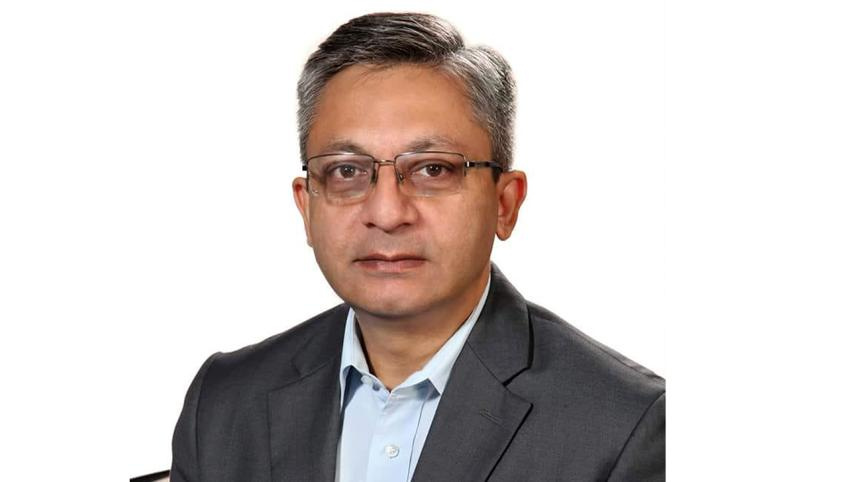
Commerce Minister Khandakar Abdul Muktadir outlined an agenda centred on stabilising market prices, expanding Bangladesh’s export basket and generating technology-driven employment, particularly in Sylhet.
“We assumed responsibility a day before Ramadan, so we did not have any reaction time in between to implement measures,” the minister told journalists after landing in Osmani International Airport, Sylhet this morning.


This was the minister’s first visit to his parliamentary constituency of Sylhet-1 after assuming charge of the commerce, industries, textiles and jute ministries.
Muktadir said ensuring market stability during Ramadan was a priority, although his ministry had limited time to introduce new measures.
However, he expressed confidence in current supply levels, saying they were adequate to keep prices stable.
“The positive side is that the level of supply we currently have is sufficient to keep market prices stable. That’s why there is no reason for concern,” he added.
Highlighting structural weaknesses in Bangladesh’s export sector amid volatility in global trade, the minister noted the country’s heavy dependence on a single product.
“Over the past four to five months, we have experienced incremental negative growth in exports. And 85 percent of our entire export basket depends on a single product. That is certainly challenging for us,” he said.
He stressed that diversification was essential for sustained economic progress.
“From that position, expanding the export basket and introducing diversification are essential for Bangladesh’s transition forward. These are the challenges ahead, and there is no alternative,” Muktadir said.
Turning to Sylhet’s development prospects, the minister emphasised the importance of creating employment through technology and innovation.
“We want to create jobs here. We want to expand IT-related professions. We want to establish AI centres,” he said, noting that neighbouring India had already invested heavily in digital infrastructure and artificial intelligence training.

“If we lag behind, the world of 2026 will not look at us with sympathy. We must acquire the capacity to compete with the rest of the world,” he added.
Muktadir also underscored the need to attract investment by improving infrastructure, reducing bureaucratic hurdles and introducing targeted policy incentives.
“Without investment, there will be no employment. To attract investment, we need a supportive environment. We need improvements in communication infrastructure, and we need to reduce bureaucratic red tape. More importantly, Sylhet requires certain special policy incentives so that expatriate and domestic investors are encouraged,” he said.
 For all latest news, follow The Daily Star's Google News channel.
Comments