Why Bangladesh must pivot to renewable energy now
There are moments in a nation’s history when a crisis does more than create hardship. It reveals the weakness of an old system and opens the door to a better one. Bangladesh is now standing at such a moment.
The country is facing an energy crisis that no longer centres on power cuts. It is affecting factories, farms, schools, offices, exports, foreign currency reserves, and the daily life of ordinary people. What we are seeing today is not just a temporary shortage of gas or fuel. It is a signal that our energy system has become too dependent on imported fossil fuels.
More than 60 percent of Bangladesh’s energy demand is met through imports. LNG, coal, oil, and other fossil fuels have kept the country running for years, but this dependence has become risky and expensive. Global fuel markets are unstable because of geopolitical tension, supply chain disruption, and price volatility. For a country like Bangladesh, this creates double pressure: fuel supply becomes uncertain while fuel costs keep rising.
The government is now spending more than BDT 200 crore per day in energy subsidies. Annual energy import expenditure remains around USD 12 billion, putting serious pressure on foreign currency reserves. Nearly 70 percent of Bangladesh’s LNG imports come from Qatar. If supply is disrupted, Bangladesh can quickly face a severe shortage. In the power sector, daily gas demand exceeds 2,500 mmcfd, but supply sometimes falls to 850–900 mmcfd. This can create a power generation shortfall of 1,500–1,800 MW. Overall, the daily gas shortage exceeds 1,100 mmcfd, and peak-time electricity shortages may reach nearly 2,000 MW.
Bangladesh also has a weak Strategic Petroleum Reserve. The current reserve capacity is sufficient for only about 35–40 days, well below that of countries such as China and Japan. This makes the national energy system even more vulnerable.

The impact is already visible. In the readymade garments sector, gas shortages and load shedding are reducing productivity by 25–30 percent in many cases. This threatens export earnings, foreign currency reserves, and economic stability. The crisis has also reached ordinary households. Although Bangladesh declared 100 percent electrification in 2022, many rural areas still experience 10 to 20 hours of load shedding every day during summer. This affects education, small businesses, agriculture, and people’s dignity.
We have also seen long lines at fuel stations, schools moving online, and offices shortening working hours because of fuel shortages. These are not isolated events. They show how deeply energy insecurity can disturb national life.
Over the last 15 years, electricity tariffs in Bangladesh have been increased on many occasions, including more than 10 rounds of increases at both bulk and retail levels. This path is not sustainable. Fossil-fuel-based electricity depends on imported fuel, global prices, the availability of the dollar, subsidies, and repeated tariff adjustments. Solar power offers a different path. With a one-time investment, solar can provide stable energy for 15–20 years. Once installed, its fuel cost is almost zero.
The economic comparison is clear. A 1 MW HFO-based power plant produces electricity per year at a cost of nearly BDT 190 crore, with much of the cost paid in foreign currency. In contrast, a 5 MW solar project requires a one-time investment of around BDT 25 crore, after which fuel costs are practically zero. Each 1 MW of solar power can save around USD 325,000 per year in foreign currency.
This is why renewable energy should not be discussed solely in technical terms like decarbonisation, emissions, and sustainability. For Bangladesh, renewable energy means jobs, fuel independence, savings in foreign currency, industrial competitiveness, agricultural protection, and economic strength. Policymakers and stakeholders can lead this transformation, inspiring confidence in a sustainable future.
Despite Bangladesh’s potential, renewable energy contributes less than 5 percent to power generation, far below the global 30 percent target by 2030. Clear, measurable goals and timelines are essential for effective policy planning and investment decisions.
Renewable energy equipment imports face around 50–60 percent in duties and taxes, hindering local manufacturing growth. Policy reforms that reduce import duties and support local industry can accelerate renewable deployment and reduce dependency on imports.
For Bangladesh, renewable energy means jobs, fuel independence, savings in foreign currency, industrial competitiveness, agricultural protection, and economic strength. Policymakers and stakeholders can lead this transformation, inspiring confidence in a sustainable future.
Import duty is usually imposed to protect the local industry. But where local production is not yet significant, a high duty only increases project costs, reduces investment returns, and slows renewable energy expansion. Policy reforms can unlock this potential, making stakeholders feel their efforts directly contribute to progress.
India, Pakistan, Vietnam, and China have expanded solar and wind power by offering low or zero import duties, tax exemptions, and low-interest financing. Many countries have also reduced duties on lithium-ion batteries and energy storage systems. Bangladesh should learn from these examples.
The barriers are clear: high duties and VAT, high financing costs of 10–12 percent or more, limited access to easy loans, slow approval processes, net metering delays, high LC margin, weak Merchant Power Policy, lack of clear policies for rooftop solar, utility-scale solar, floating solar, agrivoltaics, solar irrigation, and hybrid solar-storage, weak local manufacturing, and insufficient grid digitalisation. Addressing these collectively can accelerate Bangladesh's renewable journey, uniting stakeholders in a common goal.
One urgent reform is customs assessment. The current weight-based assessment system does not reflect the actual value of solar equipment. It can create artificial overvaluation and raise duties by three to four times. Bangladesh should shift to transaction-value-based assessment using pro forma or commercial invoice values, in line with international practice and WTO customs valuation principles.
The second urgent reform is the elimination of customs duty on renewable energy equipment. This should apply to Solar PV Module, Photovoltaic Cell, Solar Inverter, DC Cable, Data Logger, Aluminium Mounting Structure, Battery Pack, Battery Cell, BMS Circuit Board, PV DG Controller, Hybrid Controller, Solar Plant Safety Aluminium Walkway Mesh, Safety Accessories, and related components.
Current TTI rates are high. Solar PV Module carries 26.90 percent, Photovoltaic Cell 25.75 percent, Solar Inverter 28.73 percent, DC Cable 58.40 percent, Data Logger 37.25 percent, Aluminium Mounting Structure 58.40 percent, Battery Pack and Battery Cell 58.40 percent, BMS Circuit Board 31.50 percent, pack materials 37.25 percent, PV DG Controller or Hybrid Controller 89.08 percent, and Solar Plant Safety Aluminum Walkway Mesh 37.25 percent. These should be reduced to zero percent for renewable energy expansion.
The third reform is a tax holiday. Rooftop solar power producers and project companies should receive benefits comparable to those of utility-scale renewable energy producers. A practical structure could be a 100 percent tax holiday for the first 10 years, 50 percent for the next 3 years, and 25 percent for the next 2 years. This should apply to CAPEX, OPEX, IPP, and MPP models. A broader 10–20 year tax holiday for renewable energy projects should also be considered.
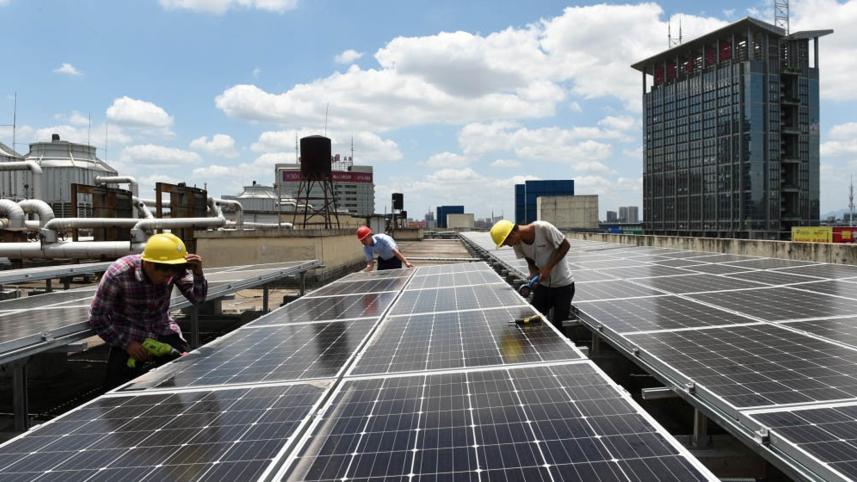
Bangladesh has a remarkable solar opportunity already waiting on its rooftops. About 7 percent of the country’s land is covered with concrete or other built structures. This means more than 10,000 square kilometres, or about 10 billion square meters of built surface. If only 30 percent is usable, that would give around 3 billion square meters. At 10 square meters per kW, this can create nearly 300 GW of solar potential. Bangladesh’s peak demand is only around 16–18 GW. The opportunity already exists on rooftops, factories, warehouses, schools, hospitals, government buildings, and commercial establishments.
Rooftop solar should therefore be relaunched nationwide with a clear business model. Utility-scale solar also needs support through unused khas land, transparent tendering, and grid readiness. Floating solar, river-based solar, agrivoltaics, solar irrigation, and hybrid solar-storage should receive separate policy attention.
The suspended solar projects must also be revisited. A total of 31 solar power projects, with a combined capacity of more than 3,000 MW, were previously suspended or cancelled. Many were being developed by foreign investors, with more than USD 200 million reportedly already invested. If implemented, these projects could save around BDT 10,800 crore annually in energy import costs. They should be reassessed and revived quickly.
Energy storage is another missing pillar. Solar and wind need storage support to become more reliable. Duties on lithium-ion batteries, BESS, and other storage systems should be reduced to zero. This will help stabilise renewable power and support future grid flexibility.
Electric vehicles can also become part of the solution. In China, Japan, and the United States, EVs are increasingly seen as mobile energy storage systems. A typical EV battery has a capacity of 40–70 kWh, enough to power an average household for 1–2 days. If Bangladesh had 1 million EVs, the country would have 40–70 GWh of distributed storage. This is several times higher than the daily peak demand gap. Solar-powered EV charging, vehicle-to-home, and vehicle-to-grid systems should be included in future energy planning.
If Bangladesh had 30–40 percent of the grid powered by solar, along with solar-powered EVs, the country would be far less exposed to global fuel market shocks. Long fuel lines, online schooling, shorter office hours, and industrial disruption could be reduced. Solar, storage, and EVs should now be planned together.
Finance will decide how fast this transition happens. Renewable energy projects cannot grow at interest rates below 10–12 percent. Long-term financing should be available at an interest rate of 3.5–4.5 percent. A 10–15-year financing facility at a maximum interest rate of 5 percent should be introduced. Bangladesh Bank’s green refinancing fund should be expanded. Rooftop and residential solar customers should be eligible for collateral-free loans. The LC margin for renewable equipment should be limited to 5%.
Net metering must be simplified. Approval should be completed within 15–30 days through a one-stop service. Approval, interconnection, inspection, billing adjustment, and utility coordination should all be simple and time-bound. Wheeling charges for renewable energy should also be kept reasonable and low. The Merchant Power Policy should be clear, simple, and investment-friendly so that industries and commercial consumers can directly procure renewable electricity.
Agriculture should also be included in the solar transition. Bangladesh can set a target to convert 1.5 million diesel irrigation pumps into solar pumps. This will reduce diesel imports, lower farmers’ production costs, and protect the environment. The program should include duty-free facilities, low-cost loans, investment support, and local service networks.
Waste-to-energy should also receive policy support. City corporations need clear rules, easy financing, and private-sector participation to enable urban waste management and distributed power generation to work together.
Bangladesh now needs a phased national roadmap for renewable energy.
In the short term, within 0–6 months, customs duty, VAT, and taxes on renewable energy equipment should be reduced to zero. Duties on lithium-ion batteries, BESS, and energy storage should be withdrawn. Approval for net metering should be obtained within 15–30 days. Industrial and commercial solar installations should be eligible for special incentives. The 31 suspended solar projects should be reassessed. Wheeling charges should be rationalised. Solar, storage, and EV charging should receive urgent policy support. Collateral-free lines of credit should be introduced for rooftop solar. NBR should quickly implement assessment reform and a 0 percent duty.
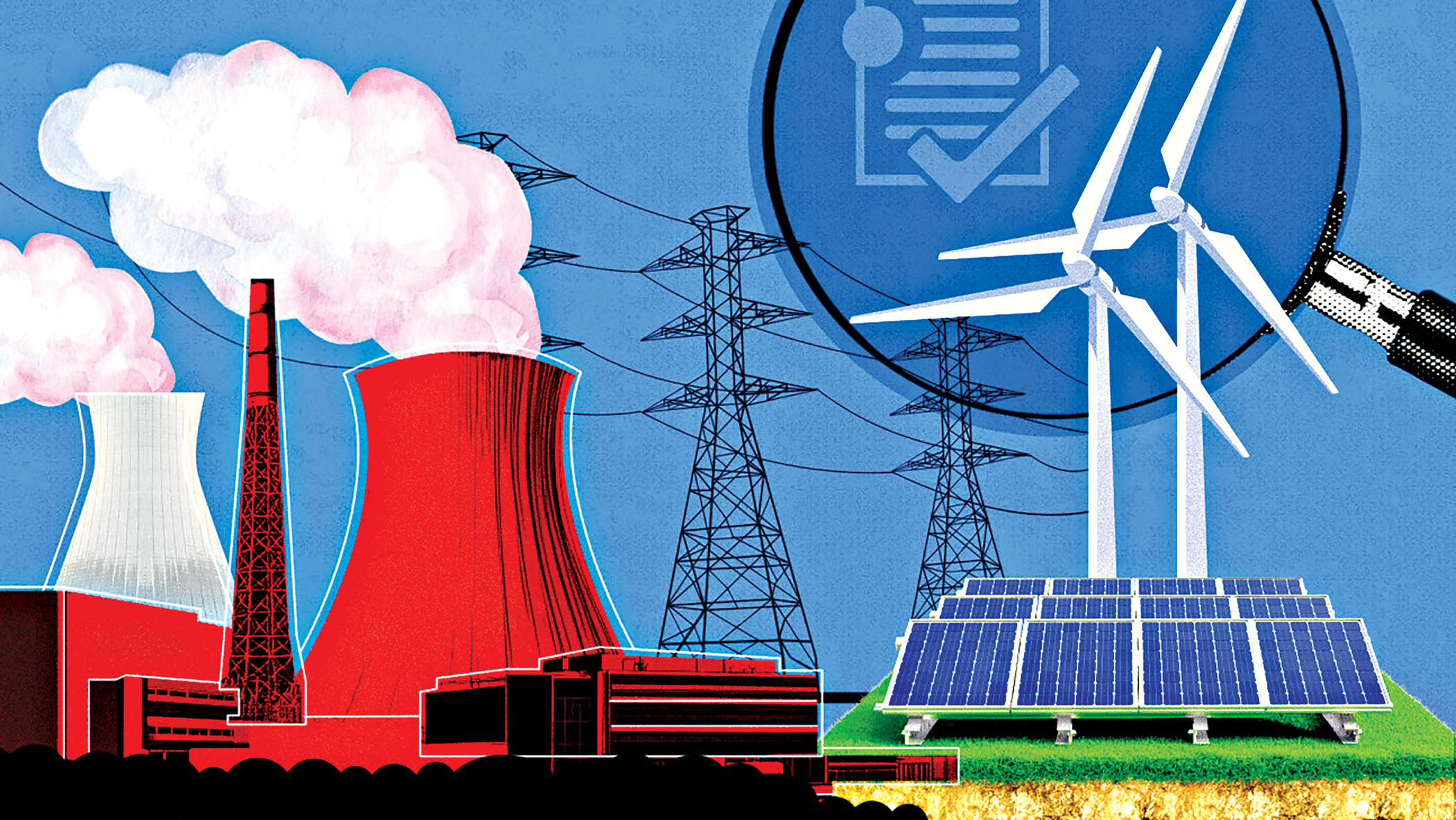
In the medium term, within 1–3 years, renewable energy financing should be available at a maximum interest rate of 5 percent for 10–15 years. The LC margin should be limited to 5 percent. Land banks and grid infrastructure should be developed for utility-scale solar. Merchant Power Policy and MPPA should be simplified. Rooftop solar, utility-scale solar, and hybrid solar-storage projects should receive a 10–15-year tax holiday. A national program should convert 1.5 million diesel pumps into solar pumps. Rooftop solar should be made mandatory or incentive-based for government buildings, industrial zones, EPZs, economic zones, and large commercial buildings. EV solar charging and distributed storage policies should be developed. Renewable energy skill development and employment programs should also be launched.
In the long term, within 3–10 years, Bangladesh should aim to reach more than 10,000 MW of solar power by 2030. Offshore and onshore wind should be developed. Floating solar, river-based solar, and agrivoltaics should be implemented. A National Energy Storage Strategy should be prepared. Smart grid and power sector digitalisation should be accelerated. Local assembly and manufacturing of solar panels, inverters, mounting structures, battery packs, BMS, and EV charging equipment should be encouraged. Regional power trade should be expanded. The Renewable Purchase Obligation should be introduced. Fossil fuel subsidies should be gradually redirected to a renewable energy transition fund.
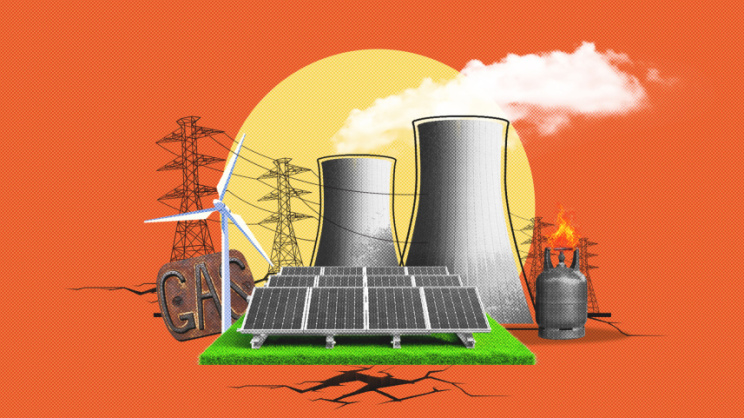
The benefits can be large. Energy import costs will fall. Pressure on foreign currency reserves will decline. Industrial production costs will reduce. Export competitiveness will improve. The subsidy burden will decrease. New investment will grow. Renewable energy can create 20–25 jobs per MW through rooftop solar, utility-scale solar, solar pumps, EV charging, battery storage, smart grids, manufacturing, installation, operation, and maintenance.
The government may worry about revenue loss from tax and duty exemptions. But this should be seen as an investment. In the short term, there may be a limited impact on revenue. In the long term, Bangladesh can save far more by reducing fuel imports, lowering subsidies, saving foreign currency, strengthening industries, and attracting new investment.
Bangladesh’s energy crisis is a major challenge but also a historic opportunity. The crisis is not only a supply problem. It is a policy framework problem. Renewable energy, especially solar power, storage, and EV integration, can be among the most practical solutions for the country.
The question is no longer whether Bangladesh should adopt renewable energy. The real question is how quickly, how systematically, and how boldly the country can complete this transition.
Mohammad Ataur Rahman Sarker is a renewable energy entrepreneur and the secretary of the Bangladesh Sustainable and Renewable Energy Association.
Md. Tanvir Siraj is a renewable energy researcher.
Send your articles for Slow Reads to slowreads@thedailystar.net. Check out our submission guidelines for details.

Dhaka accidentally built the city planners now want. Can we make it liveable?

Can Bangladesh produce its own knowledge?
How we are killing Dhaka
Can Bangladesh afford not to invest in Bhola’s gas?
Bangladesh’s renewable policy: Still too little but not too late
Prabhat Patnaik speaks / Why the Global South must rethink export-led growth
Bhotekoshi flood: Another warning from the Himalayas. Are we listening?
Renewing the Ganges Water Sharing Treaty: What should Bangladesh do?

What it really costs to live in Dhaka